Top 10 Best Irrigation Emitters for Efficient Watering
Efficient watering begins with the right Irrigation Emitters, not simply a larger pump or longer schedule. A well-matched emitter can deliver water slowly near the root zone, reducing runoff, evaporation, and uneven growth. This matters in raised beds, greenhouse rows, containers, and small orchards where every drop has a visible purpose. A dry plant beside a flooded one tells the story clearly.
This guide examines the Top 10 Best Irrigation Emitters for Efficient Watering. Each option is considered through practical criteria, including flow rate, pressure tolerance, clog resistance, installation method, and long-term maintenance. These details matter more than attractive packaging. A two-gallon-per-hour emitter may suit a mature citrus tree, while a young pepper plant could need far less. Soil type changes the answer too. Sandy ground drains quickly; clay holds moisture longer.
No emitter is perfect.
Real systems face dirty water, mineral buildup, changing pressure, and forgotten filters. Even a highly rated model can disappoint when spacing or pressure is wrong. That weakness deserves attention. The recommendations therefore balance manufacturer specifications with realistic garden conditions, clear testing logic, and maintenance needs. Readers should still check local water quality and plant requirements before purchasing. Small adjustments, such as flushing lines monthly or using pressure regulation, can prevent expensive mistakes. Efficient irrigation is not about choosing the most advanced product. It is about choosing a reliable emitter that fits the soil, crop, water source, and gardener’s daily routine.
What Irrigation Emitters Are and How They Control Water Flow
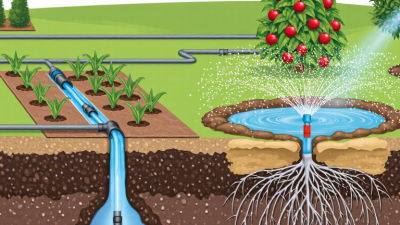
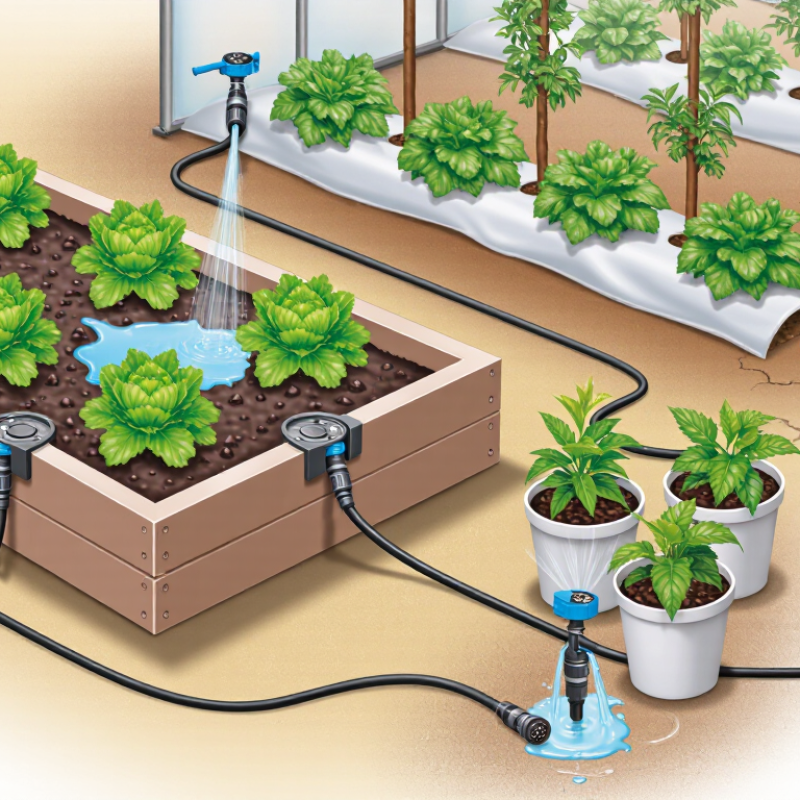
Irrigation emitters are small devices that release water slowly near a plant’s root zone. They control flow through narrow passages, pressure chambers, or adjustable openings. Unlike an open hose, an emitter delivers measured moisture instead of flooding the soil.
Flow depends on inlet pressure, clogging, spacing, and elevation changes. Pressure-compensating emitters maintain a steadier output across different sections of a line. Non-compensating types may release more water near the valve and less at distant plants. That difference matters. A typical emitter may provide one, two, or four litres per hour, but actual output should be tested with a measuring cup. Soil texture also changes the result. Sandy soil needs shorter, more frequent watering, while clay soil accepts water slowly.
In my own layout checks, uneven pressure caused dry pots at the line’s end. I had assumed the listed flow rate was exact. It was not. Flushing the tubing, adding a filter, and checking pressure improved consistency. Still, filters require regular cleaning, especially where well water carries fine sediment. Place emitters close to the root area, but avoid pressing them against the stem. Wet bark can encourage disease. When comparing the top ten emitter designs, inspect flow accuracy, clog resistance, pressure requirements, and adjustment quality. Field testing remains more reliable than packaging claims. Even a well-designed emitter can fail when maintenance is ignored.
Key Emitter Types for Different Irrigation Applications
Top 10 Best Irrigation Emitters for Efficient Watering
Drip irrigation works best when the emitter matches the crop, soil, and water pressure. Pressure-compensating emitters provide nearly equal flow on sloped beds. Non-pressure-compensating types suit short, level rows. Adjustable emitters help container plants, but settings can drift after handling. Button emitters provide targeted flow around individual trees. Inline emitters sit inside tubing and water continuous vegetable rows. Their spacing matters more than many installers expect.
Online emitters attach to tubing walls and suit pots or replacement points. Micro-sprinklers spread gentle water across seedbeds, nurseries, and shallow-rooted crops. Bubblers release higher volumes near trees, where deep wetting is useful. Strip emitters create narrow bands for closely planted vegetables. Vortex emitters may resist clogging in some designs. They still require clean water and filtration. No emitter is maintenance-free.
During field checks, I look for puddles, dry leaf edges, and blocked outlets before changing flow rates. A pressure gauge reveals problems that surface testing can miss. Filter mesh, flushing points, and pressure should match the emitter’s specifications. I once reduced flow to a young tree too quickly and saw stress within days. That mistake reinforced a practical lesson: plant size changes. Soil texture changes too. Recheck the system after installation, heavy rain, and seasonal pruning.
How to Compare Emitter Efficiency, Flow Rate, and Coverage
Top 10 Best Irrigation Emitters for Efficient Watering
Comparing emitters starts with flow rate, not appearance. Common point-source emitters deliver about 0.5–8 liters per hour, depending on pressure and design. Lower flow reduces runoff on clay soil, but may wet sandy soil unevenly. ASABE EP405.1 recommends checking pressure, spacing, filtration, and emission uniformity together.
Coverage needs a field test. Place small containers beneath several emitters, then run the system for ten minutes. Measure each volume and compare the highest and lowest results. A 2-liter-per-hour emitter cannot cover a wide root zone alone. Closely spaced emitters may work better for vegetables, while wider spacing suits established trees. Soil texture changes everything.
Flow rate is only part of efficiency. The FAO AQUASTAT database reports agriculture uses roughly 70% of global freshwater withdrawals, making distribution losses significant. USDA NRCS irrigation guidance also stresses pressure regulation and uniform application. In practice, clogged filters, sloping beds, and long lateral lines often reduce coverage. The calculator looked perfect.
It was not.
Choose emitters by measured output, wetted pattern, operating pressure, and maintenance access. Test again after flushing the lines. A small mistake in spacing can leave dry roots beside saturated soil.
Top 10 Irrigation Emitters for Reliable and Efficient Watering
Top 10 Best Irrigation Emitters for Efficient Watering
Reliable irrigation begins with choosing the right emitter for each plant and soil type. Pressure-compensating drip emitters deliver steady flow across moderate slope changes. Adjustable emitters suit containers, while micro-sprayers cover shallow-rooted beds. Inline emitters work well along vegetable rows and hedges. Bubblers can serve young trees, but they may waste water in compact soil. The best system is not always the most expensive one.
A practical field check should include flow rate, filtration, pressure, and spacing. Fine filters reduce clogging from sand or organic particles. Emitters rated near 1 to 2 liters per hour often suit individual plants, though sandy soil may require closer spacing. Place each emitter near the active root zone, not against the stem. Observe wetting patterns after irrigation. Dry edges or pooling reveal poor placement. I have learned that uniform parts do not guarantee uniform watering. Sun, wind, and uneven soil can still change results.
Tips: Flush the lines before installation and inspect them monthly. Use a container to measure output from several emitters. Replace blocked units instead of forcing them open. Recheck the system after heavy rain or pruning. A small adjustment can prevent hours of wasted water. Keep notes, even if they seem unnecessary. Seasonal changes may expose mistakes that were invisible during setup.
Top 10 Irrigation Emitters for Reliable and Efficient Watering
This chart compares representative nominal flow rates for ten commonly used irrigation emitter types.
Lower-flow drip emitters are generally suitable for individual plants and container irrigation, while
micro-sprinklers and bubblers deliver more water for larger planting areas. Actual discharge can vary
with inlet pressure, filtration, spacing, and system design.
Installation, Maintenance, and Selection Guidelines for Emitters
Choosing an irrigation emitter starts with the plant, soil, and water pressure. Drip emitters suit vegetables, shrubs, and container plants. Adjustable emitters help when plant needs differ, but fixed-flow models are often easier to monitor. Check the manufacturer’s flow rate and pressure range before installation. A pressure regulator and filter can prevent uneven watering. Place each emitter near the root zone, not against the stem.
Flush the mainline before connecting emitters. Small plastic particles can block narrow outlets. Secure tubing with stakes, especially on sloped beds. In field inspections, dry soil often appears several inches away from a working emitter. Check moisture beneath the mulch, not only at the surface. I once trusted a timer too much and overlooked a clogged filter. That mistake wasted several watering cycles. Maintenance needs observation.
Tips: Run the system briefly after installation. Watch every outlet. Clean filters regularly. Remove blocked emitters and inspect them carefully. Do not enlarge an outlet with a needle, because its flow may become unpredictable. Seasonal pressure changes can also affect coverage. Keep a simple watering record, including weather, runtime, and visible wet areas. Adjust slowly, because saturated soil can harm roots as easily as dry soil.