What Are the Types of Irrigation Emitters?
Choosing the right irrigation emitter can determine whether plants thrive or quietly struggle. Irrigation Emitters deliver water near the root zone, reducing surface evaporation and unnecessary runoff. Yet emitter selection is rarely as simple as choosing the highest flow rate. Soil texture, plant spacing, pressure, water quality, and maintenance habits all influence performance.
This guide examines the main types of irrigation emitters used in gardens, landscapes, nurseries, and agricultural fields. Drip emitters, inline emitters, micro-sprayers, bubblers, and adjustable models each distribute water differently. A pressure-compensating emitter may provide more consistent flow across sloped ground, while a non-pressure-compensating model can suit smaller, simpler systems. Some emitters release two liters per hour; others deliver much more. Small differences matter.
Real installations often reveal problems that product descriptions overlook. A clogged filter, long lateral line, or hard water deposit can change the intended flow. I have seen healthy plants decline because an emitter was installed several centimeters away from the root area. That mistake is easy to miss. There is no universal best emitter. The most reliable choice comes from matching equipment to soil, crops, pressure, and local conditions. Even experienced installers should test flow rates and inspect wetting patterns before expanding a system. This article offers a practical comparison, but field observation still matters. Water rarely behaves exactly as expected.
Definition and Role of Irrigation Emitters
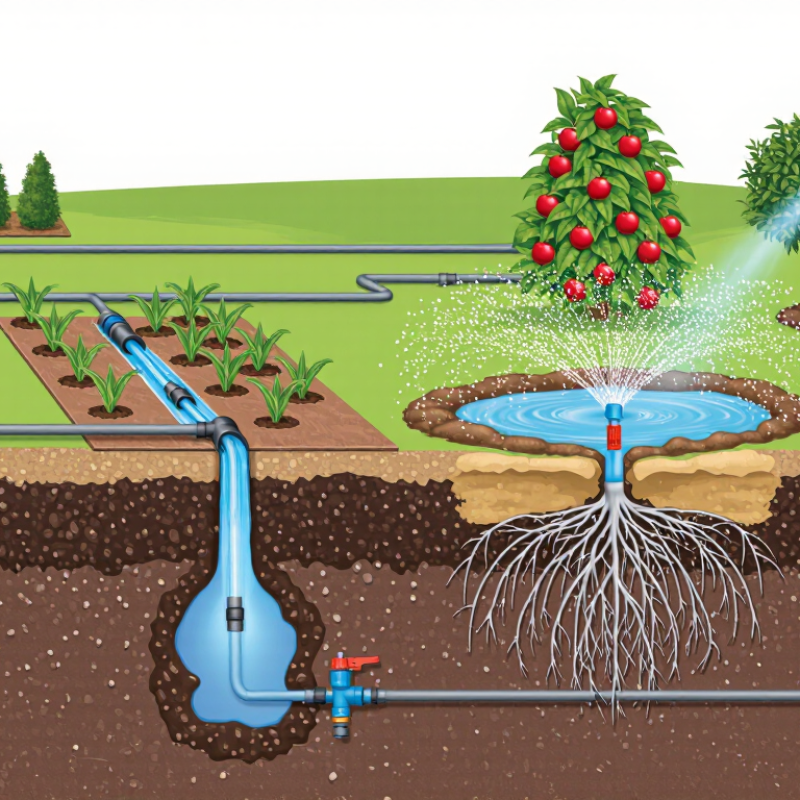
Irrigation emitters are small devices that release water directly to plant roots. They connect to irrigation lines and control the flow rate, spray pattern, or delivery point. Their main role is to replace broad, uneven watering with measured application. This helps reduce runoff, evaporation, and dry soil around valuable plants.
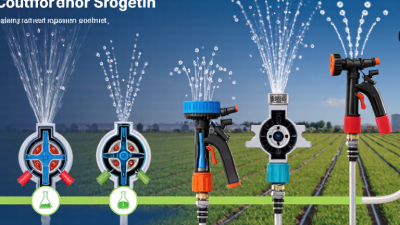
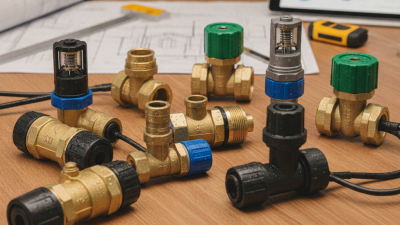
Common types include drip emitters, micro-sprayers, bubblers, and inline emitters. Drip emitters release water slowly beside individual plants. Inline emitters are built into tubing at regular intervals, making them useful for vegetable rows and hedges. Micro-sprayers cover wider areas, while bubblers deliver more water near trees and shrubs. Each type suits different soil, spacing, and root patterns.
Emitter selection requires more than checking the flow rate. Soil texture matters. Sandy soil may need frequent, low-volume watering, while clay soil needs slower application to prevent pooling. Pressure also affects performance, especially on long or sloped lines. Field testing with a measuring cup can reveal uneven output that is easy to miss. A clogged filter, damaged tube, or misplaced emitter can stress plants within days. No system is perfect. I have found that even a well-designed layout needs seasonal adjustment as roots grow, temperatures change, and maintenance habits become less consistent.
Main Types of Irrigation Emitters
Main Types of Irrigation Emitters
Irrigation emitters release water slowly near plant roots. The main types include inline drip emitters, online drip emitters, micro-sprays, and bubblers. Inline emitters sit inside the tubing, creating even spacing along crop rows. Online emitters attach to the tube surface, allowing growers to adjust plant spacing. They work well around trees, containers, and irregular planting beds.
Drip emitters usually deliver about 0.5 to 4 liters per hour, depending on pressure and design. Pressure-compensating models maintain a more stable flow on sloped ground. Non-pressure-compensating models cost less, but their output can change across long lines. Micro-sprays cover wider areas, making them useful for young trees and shallow-rooted plants. Bubblers release more water at one point. They suit established trees, yet poor basin design can cause runoff.
Water efficiency matters. FAO’s AQUASTAT database reports that agriculture accounts for roughly 70% of global freshwater withdrawals. In the United States, the Environmental Protection Agency reports that outdoor water use exceeds 30% of household consumption nationally, and may reach 60% in dry regions. Choosing the correct emitter can reduce waste, but filtration and pressure control remain essential. Field experience shows that clogged emitters often cause more damage than incorrect spacing. That detail is easy to overlook. Selection is rarely perfect; soil texture, wind, root growth, and maintenance habits can change performance after installation.
What Are the Types of Irrigation Emitters?
Main types of irrigation emitters compared by representative nominal flow rate.
Point-source and inline drip emitters deliver water slowly and close to plant roots, while micro-sprinklers, bubblers, and spray emitters apply water at higher flow rates over larger areas. Actual discharge depends on emitter design, operating pressure, spacing, and water quality.
How Different Emitters Deliver Water
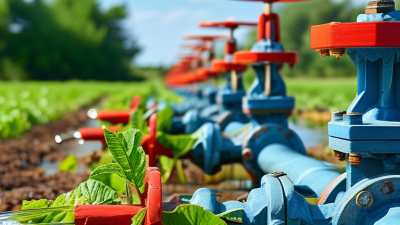
Irrigation emitters control how water leaves a pipe, shaping the wetting pattern around each plant. A drip emitter releases water slowly through a small outlet, forming a moist circle near the roots. Inline drip tubing places outlets at regular intervals, making it useful for vegetable rows and narrow planting beds. These systems deliver water close to the soil surface, reducing wet leaves and unnecessary evaporation.
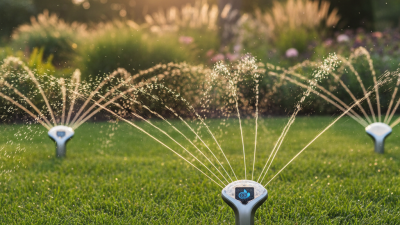
Pressure-compensating emitters maintain a steadier flow when the landscape rises or the pipe becomes long. Non-compensating emitters are simpler, but their output can change with pressure. Micro-sprayers spread water across a wider area, like a soft fan under young trees or groundcover. Bubblers discharge more water at one point, helping soak established trees and shrubs. That wider flow needs careful placement.
Emitter choice should match soil, plant size, and pipe pressure. Sandy soil often needs frequent, small applications because water moves downward quickly. Clay soil accepts water slowly, so a gentle emitter can prevent puddles and runoff. Filters and pressure regulators protect narrow outlets from clogging and pressure surges. I have learned to check the soil, not only the emitter’s flow rating. No emitter is perfect. A short test can reveal dry roots, overspray, or uneven spacing before these problems spread.
Factors for Choosing an Irrigation Emitter
What Are the Types of Irrigation Emitters?
Factors for Choosing an Irrigation Emitter
Emitter choice starts with water delivery, not catalog appearance. Point-source emitters wet individual plants, making them suitable for orchards and widely spaced vegetables. Pressure-compensating models maintain steadier flow across uneven ground. Inline emitters serve closely planted rows and greenhouse beds. Micro-sprinklers provide broader coverage for young trees or shallow-rooted crops. Bubblers deliver higher volumes near individual plants. Field conditions decide.
Water efficiency deserves careful attention. FAO AQUASTAT reports that agriculture accounts for roughly 70% of global freshwater withdrawals. EPA WaterSense materials describe drip irrigation as reaching about 90% efficiency, compared with approximately 65% for conventional sprinklers. These figures assume proper design, maintenance, and operating pressure. Real fields are less cooperative.
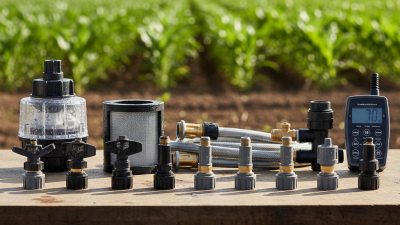
Check soil texture, crop spacing, slope, water quality, and filtration capacity before selecting an emitter. Sandy soil usually needs shorter, more frequent applications. Clay soil may require slower flow to prevent runoff. Salty or dirty water increases clogging risks. Test pressure at the farthest outlet, not only at the pump. A perfect emitter does not exist. A design can look efficient on paper and still fail beside a dusty field road. USDA Natural Resources Conservation Service guidance also stresses matching application rate with soil intake and root-zone needs. This step is easy to overlook, yet it often determines whether irrigation remains uniform after several seasons.