2026 Best Sprinkler Valves for Global Buyers Guide
In the world of irrigation systems, sprinkler valves play a crucial role. Choosing the right one can improve efficiency and water distribution. The 2026 Best Sprinkler Valves for Global Buyers Guide aims to simplify this process. We provide insights based on extensive research and expertise in the irrigation sector.
Sprinkler valves come in various types and specifications. Understanding these differences is essential for optimal performance. Our guide highlights the leading brands, their features, and user reviews. However, not all products suit every environment. Some might underperform in specific conditions, making informed choices vital.
Navigating the landscape of sprinkler valves can feel overwhelming. Quality and reliability should always be a priority. Our comprehensive guide aims to educate buyers on making sound decisions. After all, a poor choice can lead to inefficiency and increased costs. We encourage buyers to reflect on their specific needs before making a decision.
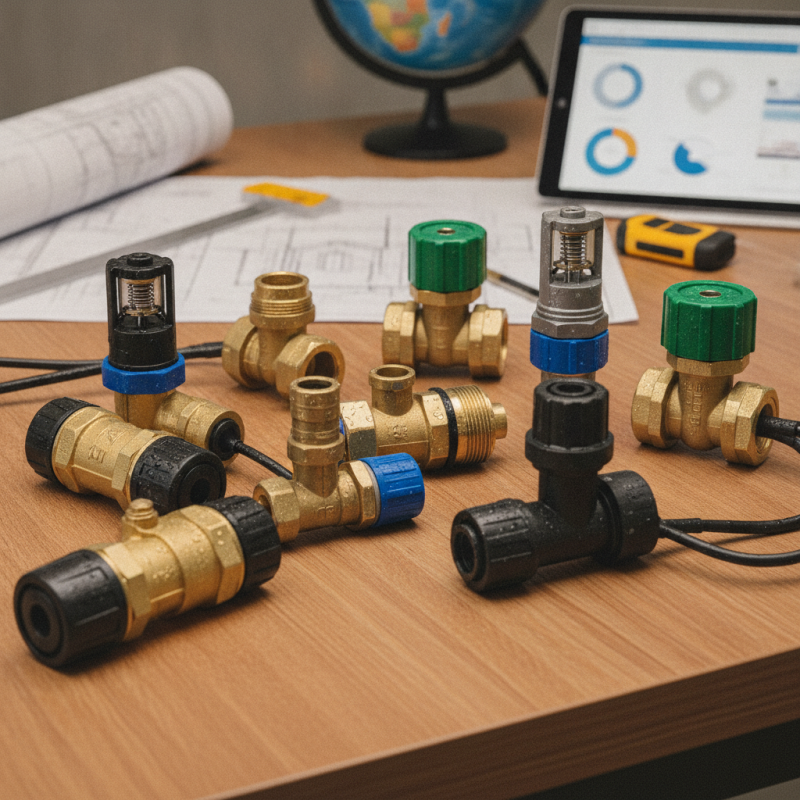
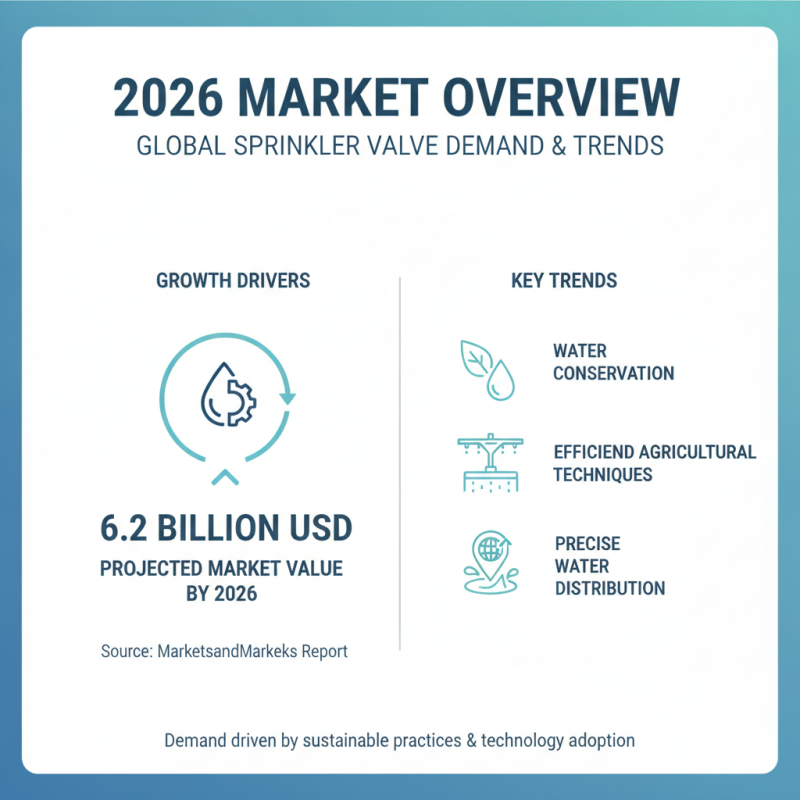
2026 Market Overview: Global Sprinkler Valve Demand and Trends
The global demand for sprinkler valves is experiencing significant growth. According to a report by MarketsandMarkets, the sprinkler valve market is projected to reach USD 6.2 billion by 2026. This growth is driven by an increasing focus on water conservation and efficient irrigation systems. Many regions are adopting advanced agricultural techniques that rely on these valves for precise water distribution.
In North America and Asia-Pacific, the market is expanding rapidly. In these regions, there is a solid push for sustainable agriculture. Research indicates that about 70% of freshwater usage goes to agriculture, underscoring the importance of effective sprinkler systems. However, challenges remain. There are inconsistencies in quality across different manufacturers. Buyers often face difficulties in assessing the reliability of products.
Innovation also plays a key role in this market. Smart irrigation systems that incorporate automated sprinkler valves are gaining traction. These systems can optimize water usage efficiently. However, the initial costs can be a barrier for many farmers. The balance between investment and returns is critical. Stakeholders must reflect on their strategies in order to adapt to these emerging trends.
Key Features to Consider When Choosing Sprinkler Valves for Efficiency
When selecting the best sprinkler valves, efficiency is key. Look for components that simplify installation and maintenance. The materials used play a significant role in durability and performance. Plastic valves are lightweight but may wear out faster under certain conditions. Metal counterparts are sturdier but can rust over time. Evaluating material options is crucial for long-term effectiveness.
Another important aspect is the flow rate. Higher flow rates can irrigate larger areas but may waste water if not managed properly. Consider your landscape size and watering needs. A valve that balances flow with efficiency can lead to cost savings. Don't overlook automation features. Timers and sensors can enhance efficiency, reducing water waste and labor hours.
Keep in mind that not all valves are created equal. It’s essential to read reviews and gather feedback from users. This insight can expose potential flaws or highlight exceptional features. If a valve brand is widely criticized, it’s worth reconsidering. Efficiency is not just about technology; it’s also about making informed choices for optimal results.
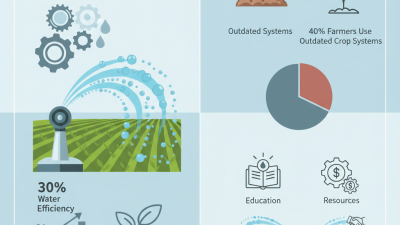
2026 Best Sprinkler Valves Efficiency Comparison
This chart displays the water efficiency percentages of various sprinkler valves, allowing global buyers to compare efficiency levels when choosing the best options for their needs.
Top Manufacturers of Sprinkler Valves: An Industry Analysis of Leading Brands
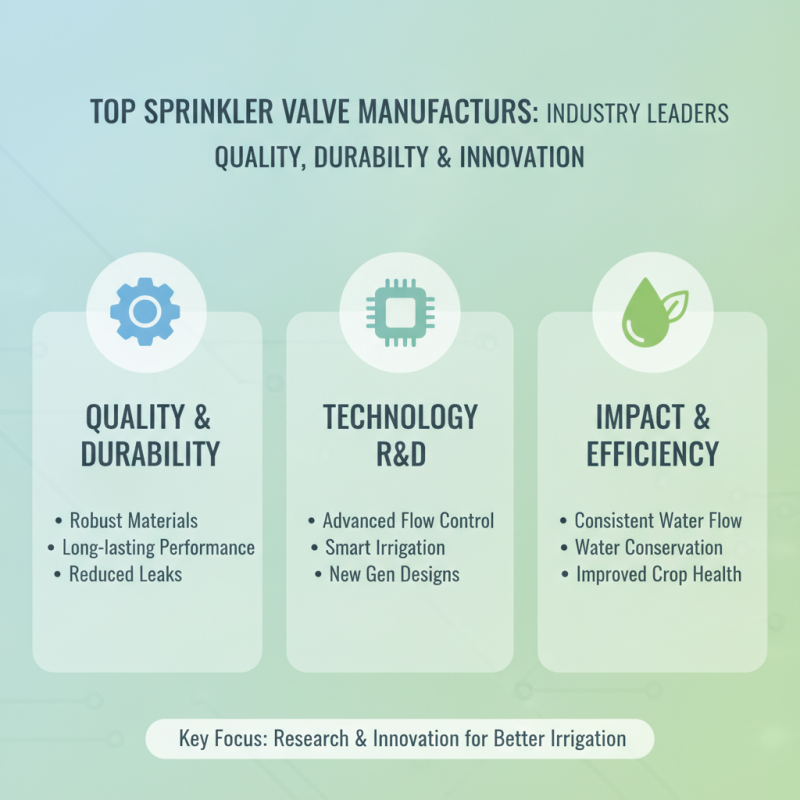
In the competitive landscape of sprinkler valves, understanding the top manufacturers is crucial. Industry leaders are focused on quality, durability, and technology. They invest heavily in research to improve valve performance. This ensures consistent water flow and prevents leaks. It’s vital to examine their innovations and how these impact irrigation efficiency.
Manufacturers often face challenges. Some struggle with supply chain issues or fluctuating raw material costs. This can lead to delays and higher prices. Buyers should be aware of these factors when selecting products. A reliable manufacturer should also offer exceptional customer support. This is an indicator of their commitment to quality.
Consumer feedback plays a significant role in shaping the industry. Many buyers appreciate durability, while others focus on cost. As a result, brands adapt their offerings accordingly. It’s essential to stay informed about these shifts. Understanding what matters to consumers guides future development.
Comparative Review: Best Sprinkler Valves for Different Irrigation Systems
When selecting the best sprinkler valves for different irrigation systems, you must consider several factors. First, think about the specific requirements of your system. This could include pressure ratings, flow rates, and the materials used. Different materials offer varying levels of durability and resistance to weather damage. For instance, plastic valves may be lightweight and resistant to corrosion, while brass valves often provide strength and longevity.
Another aspect is installation versatility. Some valves are designed for easy integration with existing systems, which can save time and reduce labor costs. Assessing compatibility with various sprinkler types is crucial. Many users overlook the importance of manual versus automatic options. While automatic valves offer convenience, manual options can provide more control and flexibility in certain situations.
It's essential to be attentive to reviews and recommendations from fellow gardeners and irrigation professionals. Their experiences can provide valuable insights into potential pitfalls or advantages. Not every valve on the market will meet your expectations, and some may require more maintenance than anticipated. Evaluating both user feedback and technical specifications ensures you make an informed choice for your irrigation needs.
Emerging Technologies in Sprinkler Valve Design and Smart Irrigation Solutions
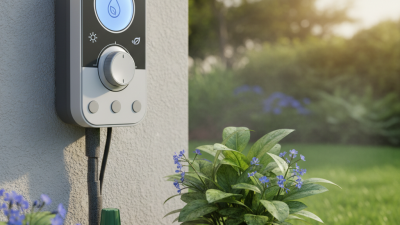
Emerging technologies in sprinkler valve design are transforming how we approach irrigation. Smart irrigation solutions are at the forefront of this evolution. These systems use advanced sensors and algorithms to optimize water usage. They adapt to varying weather conditions and soil moisture levels. This adaptability leads to more efficient water conservation.
For those considering an upgrade, look for valves that integrate IoT technology. These products offer real-time data and remote control capabilities. Users can monitor their systems via mobile apps. This convenience can lead to better management of water resources.
Tip: Assess your current irrigation needs before investing. Gather data on water usage and landscape requirements. It’s crucial to find solutions that suit your specific environment. Experiment with different technologies to identify what works best. Embracing these innovations can ultimately lead to significant savings and enhanced environmental sustainability.
2026 Best Sprinkler Valves for Global Buyers Guide
| Model |
Flow Rate (GPM) |
Pressure Range (psi) |
Material |
Smart Features |
| Model A |
10 |
20-80 |
PVC |
Wi-Fi, App-Controlled |
| Model B |
15 |
30-70 |
Brass |
Smart Sensors |
| Model C |
5 |
15-60 |
Plastic |
Bluetooth Connectivity |
| Model D |
20 |
25-65 |
Aluminum |
Weather Adaptive |