Best Landscape Irrigation Controller for Efficient Water Management?
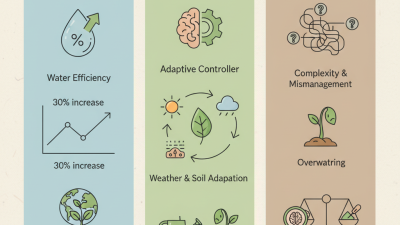
Efficient water management is critical in today's landscape irrigation. An effective Landscape Irrigation Controller can significantly reduce water waste. According to the U.S. Environmental Protection Agency, landscape irrigation accounts for nearly 50% of residential water use. High-efficiency controllers can reduce this usage by up to 30%.
However, the market is flooded with products. Choosing the right Landscape Irrigation Controller can be overwhelming. Many consumers may not fully understand the technology behind smart irrigation systems. Reports indicate that only 20% of homeowners actively manage their irrigation systems. This highlights a gap between available technology and actual usage.
Nonetheless, the need for efficiency is undeniable. Climate change and water scarcity demand smarter solutions. A reliable Landscape Irrigation Controller will help conserve resources while maintaining healthy landscapes. As we explore the best options, it's essential to consider both functionality and user engagement to improve overall water management practices.
Understanding Landscape Irrigation Controllers and Their Benefits
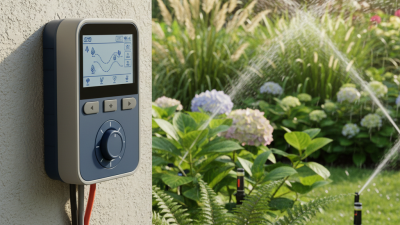
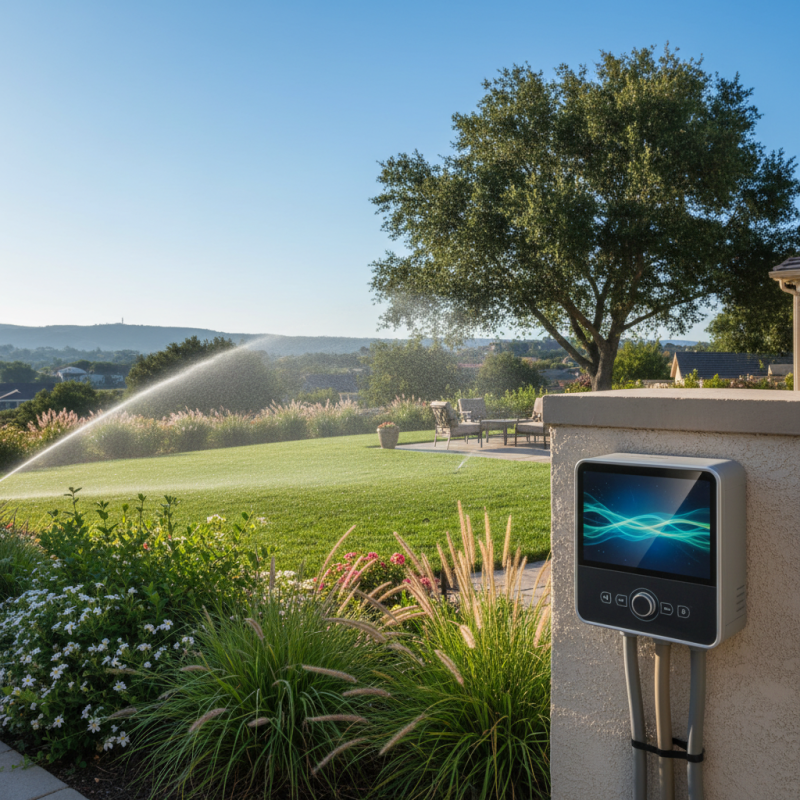
Landscape irrigation controllers play a crucial role in efficient water management. They automate and optimize the irrigation schedule based on various factors like weather conditions, soil moisture, and plant needs. Data from the Environmental Protection Agency (EPA) indicates that smart irrigation controllers can reduce water usage by up to 30%. This not only conserves a vital resource but also lowers utility bills for homeowners.
Understanding the benefits of these controllers extends beyond mere efficiency. They can significantly improve plant health. By providing precise watering, they prevent overwatering and underwatering, ensuring robust plant growth. A report from the United States Geological Survey highlights that optimized irrigation can enhance the health of landscapes and gardens, reducing disease and pest issues. However, not all systems are perfect; users might face challenges in setup or software integration, which may require technical support.
When selecting an irrigation controller, consider factors like compatibility and ease of use. Research indicates that many users struggle with programming their devices. Simple interfaces and reliable customer support can mitigate these issues. The long-term benefits, however, often outweigh the initial learning curve. Embracing these technologies can lead to more sustainable and enjoyable outdoor spaces.
Key Features to Look for in an Efficient Irrigation Controller
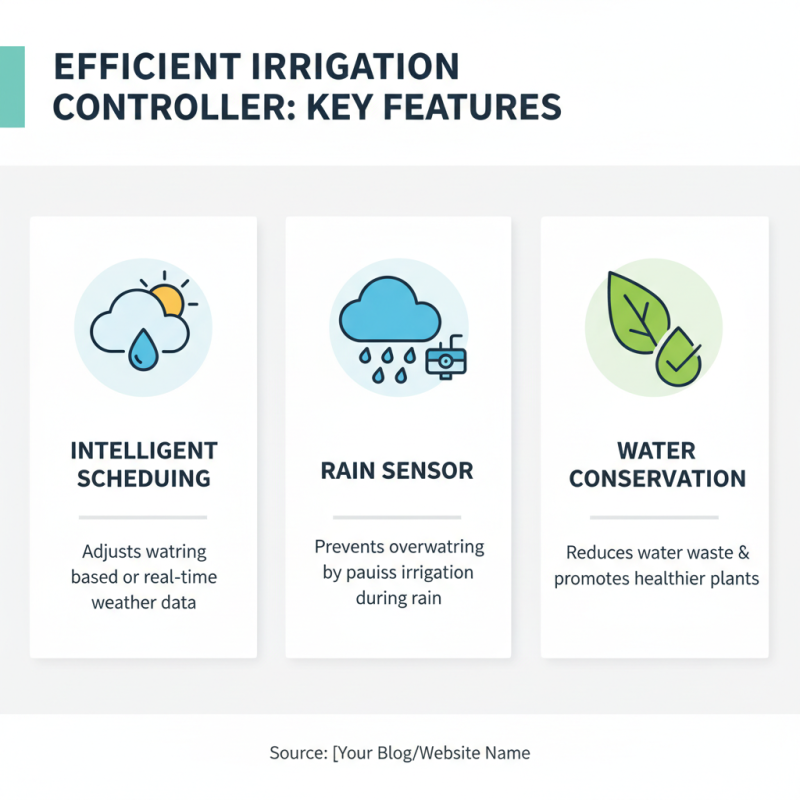
When choosing an irrigation controller, efficiency is key. Look for intelligent scheduling features. These allow the controller to adjust watering based on weather conditions. A rain sensor can prevent overwatering during rainstorms. This ensures water is used wisely, promoting healthy landscapes.
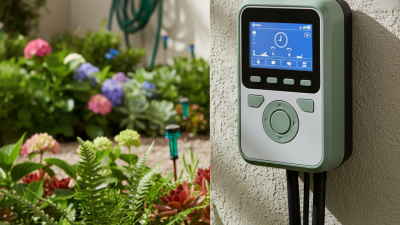
Consider controllers with moisture sensors. They measure soil moisture levels. This helps prevent water waste, especially in dry seasons. A reliable user interface is also crucial. It should be easy to program and adjust settings. Most users appreciate a clear display with intuitive controls.
Also, think about connectivity features. Smart controllers can connect to your smartphone. This allows remote operation and monitoring. Some offer data analytics to optimize watering times. However, not all smart features are necessary. Evaluate what suits your landscape best. Balancing technology with practical needs can be tricky. Always reflect on your watering habits and patterns.
Types of Irrigation Controllers: Manual vs. Automatic Systems
Irrigation controllers are essential tools for managing water efficiently in landscapes. They come in two main types: manual and automatic systems. Manual controllers allow users to start and stop watering by hand. This offers flexibility but can be time-consuming. Gardeners must remember to adjust the settings based on changing weather or plant needs. This approach suits those who enjoy hands-on gardening.
Automatic systems enhance efficiency significantly. These controllers can be programmed to water at specific times and durations. They can also adjust automatically based on rain or soil moisture levels. However, they may sometimes malfunction or require calibration. Users might overlook these adjustments, leading to overwatering or underwatering. Such mistakes highlight the need for ongoing monitoring, even with technology on our side.
Choosing between manual and automatic systems depends on individual needs and preferences. Some people prefer the control offered by manual systems, while others appreciate the convenience of automation. It's essential to evaluate your landscape requirements and reflect on what works best for you. Balancing convenience and control can significantly impact water usage and overall landscape health.
Best Landscape Irrigation Controller for Efficient Water Management
| Type |
Features |
Water Efficiency (%) |
User-Friendliness |
Price Range ($) |
| Manual Controller |
Basic time and frequency settings |
60-70 |
Moderate |
50-150 |
| Automatic Controller |
Smart scheduling, weather adjustments |
80-90 |
Very High |
100-500 |
| Smart Controller |
Mobile app integration, sensor feedback |
85-95 |
High |
200-800 |
How Smart Technology Enhances Water Management in Irrigation
Smart technology is transforming irrigation management in remarkable ways. Landscape irrigation controllers can now adjust watering schedules based on real-time weather data. This leads to more efficient water usage, reducing waste and promoting healthy plant growth. By integrating soil moisture sensors, these systems can deliver the right amount of water right when it's needed. The accuracy of these devices helps in preventing overwatering, a common mistake among gardeners.
However, technology isn't infallible. Relying solely on automated systems can lead to oversight. Users must regularly check their settings and functionality. Sometimes, the controllers misinterpret weather patterns, which may result in under or over-watering. Regular monitoring and manual adjustments are still necessary for optimal performance.
Education on these technologies is crucial. Users need to understand how these systems work to maximize their benefits. While the convenience of smart irrigation is appealing, complete reliance may invite problems. Balancing technology with human oversight ensures that water resources are managed wisely, fostering a sustainable landscape for all.
Water Usage in Landscape Irrigation
This bar chart illustrates the average water usage for different irrigation systems in landscape management, showing the efficiency of each system in liters per month. Rainwater harvesting stands out as the most efficient option, utilizing considerably less water compared to traditional methods like sprinkler and surface irrigation.
Comparative Analysis of Top Landscape Irrigation Controllers on the Market
In recent years, efficient water management has become crucial for landscaping. The latest industry reports show that effective irrigation controllers can reduce water usage by up to 30%. These smart devices adjust watering schedules based on weather patterns and soil moisture levels. This adaptability can lead to healthier landscapes while maximizing resource conservation.
When selecting an irrigation controller, consider features like seasonal adjustments and rain sensors. According to the Environmental Protection Agency (EPA), approximately 50% of landscape water is wasted due to over-watering. A controller that calibrates to your region's specific climate can significantly minimize this waste.
Tips: Check if the controller integrates with weather forecasts to optimize water usage. Look for models that offer user-friendly interfaces, making it easier to adjust settings. Reflect on the environmental impact of traditional methods versus smart technology. Are the small upfront costs for advanced systems justifiable against long-term savings? Investing in an efficient system can lead to both financial and ecological benefits over time.