Leave Your Message
Modern irrigation is no longer just pipe, sprinklers, and a pump. Irrigation System Parts work together to control pressure, timing, filtration, flow, and water placement. A weak connection can waste water before it reaches the root zone. That detail matters.
The United Nations Food and Agriculture Organization reports that agriculture accounts for roughly 70% of global freshwater withdrawals. The World Bank also identifies irrigation efficiency as a practical response to water stress, especially where climate variability affects farm production. These figures explain why each component deserves careful evaluation. A clogged filter, undersized valve, or poorly calibrated controller can increase runoff, damage crops, and raise operating costs.
Irrigation consultant and educator Larry Schwankl emphasized a clear principle: “The goal of irrigation management is to apply the right amount of water at the right time.” His observation remains useful when examining pumps, backflow preventers, valves, emitters, sprinklers, sensors, controllers, and distribution pipes. They are not isolated products. They form a working system.
Still, product lists can oversimplify reality. Soil texture changes infiltration. Wind changes sprinkler coverage. Pressure changes performance. Even an efficient design may fail without inspection and adjustment. This guide explores the main Irrigation System Parts, their roles, and the field conditions that influence their performance. Expect practical answers, but not perfect ones. Good irrigation design requires measurement, experience, and occasional reconsideration.
What Are the Main Irrigation System Parts?
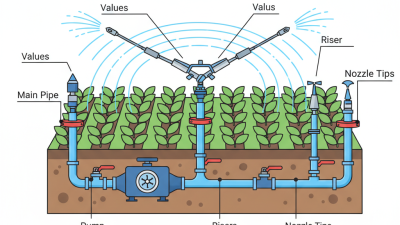
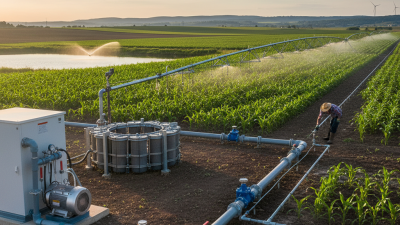
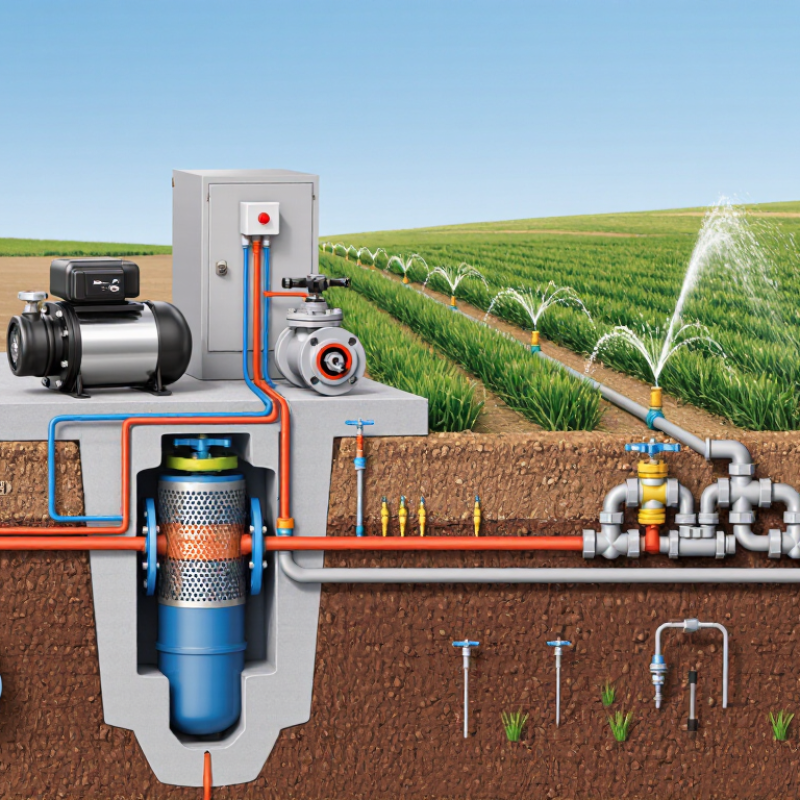
Irrigation system parts work together to deliver water safely and evenly. The water source feeds a pump or pressurized line. A backflow preventer protects the supply from reverse flow. Filters remove sand and debris before they reach smaller outlets. Pressure regulators keep water steady and reduce misting, leaks, and uneven coverage.
The main control parts include valves, pipes, fittings, and a controller. Valves open specific zones, while pipes carry water toward sprinklers, drip lines, or micro-emitters. Emitters release measured water near plant roots. Moisture sensors can pause irrigation after rainfall, although sensor placement can be imperfect. A controller may follow a schedule, but local soil conditions still matter. The United Nations Food and Agriculture Organization reports that agriculture uses about 70% of global freshwater withdrawals. The U.S. Environmental Protection Agency also states that landscape irrigation represents nearly one-third of residential water use. These figures make correct part selection more than a technical detail.
Tips: Check filters monthly during active seasons. Inspect pressure at the farthest outlet, not only near the valve. Look for soggy soil, dry patches, and broken spray patterns. A small leak can remain hidden under mulch. I once considered longer watering cycles more efficient, but compacted soil often caused runoff instead. Shorter cycles with pauses can work better. No setup is perfect. Seasonal adjustment remains necessary. A reliable system balances pressure, coverage, drainage, and plant demand.
| System Part | Main Function | Typical Location | Practical Notes |
|---|---|---|---|
| Water source | Supplies water to the irrigation system. | At the system’s point of connection, such as a well, storage tank, or water-supply connection. | Available flow and pressure determine how much of the system can operate at once. |
| Pump (when needed) | Moves water or increases pressure when the source does not provide sufficient pressure or flow. | Near the water source or storage tank. | Not every system requires a pump; selection depends on system demand and source conditions. |
| Backflow prevention device | Helps prevent irrigation water from flowing backward into a potable water supply. | On the supply connection, upstream of the irrigation lines. | The appropriate device and installation requirements depend on local plumbing codes and the water source. |
| Filter | Captures particles that could clog emitters, nozzles, or small passages. | After the water source or pump and before sensitive irrigation components. | Especially important for drip systems; inspect and clean it according to water quality and system use. |
| Pressure regulator | Reduces or stabilizes pressure to suit the irrigation components being used. | Typically downstream of the valve and filter, as appropriate for the system layout. | Required operating pressure varies by emitter, sprinkler, tubing, and system design. |
| Mainline and lateral pipes | Carry water from the source to control valves and then distribute it through the irrigation area. | Mainlines feed the system; lateral lines branch toward sprinklers or drip tubing. | Pipe material and diameter should suit the design flow, pressure, installation conditions, and local requirements. |
| Control valves | Open or close water flow to individual zones. | Usually grouped in a valve box near the zones they serve. | Separating an area into zones allows different plantings or equipment to be watered independently. |
| Controller and wiring | Schedules watering and signals compatible automatic valves to operate. | The controller is in an accessible location; low-voltage wiring connects it to the valves. | Schedules should be adjusted for plant needs, rainfall, season, and local watering restrictions. |
| Sprinkler heads | Apply water over a defined area using spray, rotating streams, or other sprinkler patterns. | Installed along lateral lines, often at ground level or on risers. | Head spacing and spray patterns should be planned to provide suitable coverage without unnecessary runoff. |
| Drip tubing and emitters | Deliver water slowly and close to plant roots through small outlets or emitters. | Along planting beds, rows, or around individual plants. | Emitter spacing and flow rate should match plant spacing, soil, and water demand; filtration helps reduce clogging. |
| Fittings and connectors | Join, branch, reduce, or terminate pipes and tubing. | At pipe connections, turns, branches, and line ends. | Use fittings compatible with the pipe material and operating pressure; check connections for leaks. |
| Drain and flush points | Allow lines to be drained or flushed to remove water and accumulated debris. | At suitable low points or line ends, depending on the design. | Placement and use depend on system layout, climate, and the manufacturer-independent design requirements. |
Note: Irrigation system layouts vary. Component selection, sizing, and installation should account for water source conditions, site layout, plant needs, and applicable local codes.