China Top Irrigation Rotor Heads for Efficient Water Management Solutions?
In the realm of water management, "Irrigation Rotor Heads" play a crucial role in enhancing irrigation efficiency. Dr. Liang Wei, a renowned expert in agricultural technology, emphasizes, “Effective irrigation systems are vital for sustainable farming.” This statement highlights the importance of efficient water usage in agriculture, especially in water-scarce regions.
The innovative design of irrigation rotor heads ensures precise water distribution. This technology optimizes the use of water, reducing waste and improving crop yield. As farms face increasing pressure from climate change and resource scarcity, the need for reliable irrigation solutions grows stronger. Many farmers, however, struggle to select the best rotor heads for their specific needs.
While advancements in irrigation technology are promising, challenges remain. Some systems may be too complex to implement without expert guidance. Farmers must also consider maintenance and potential malfunction risks. These factors call for a balanced approach in adopting "Irrigation Rotor Heads" to ensure efficient water management and sustainable agricultural practices.
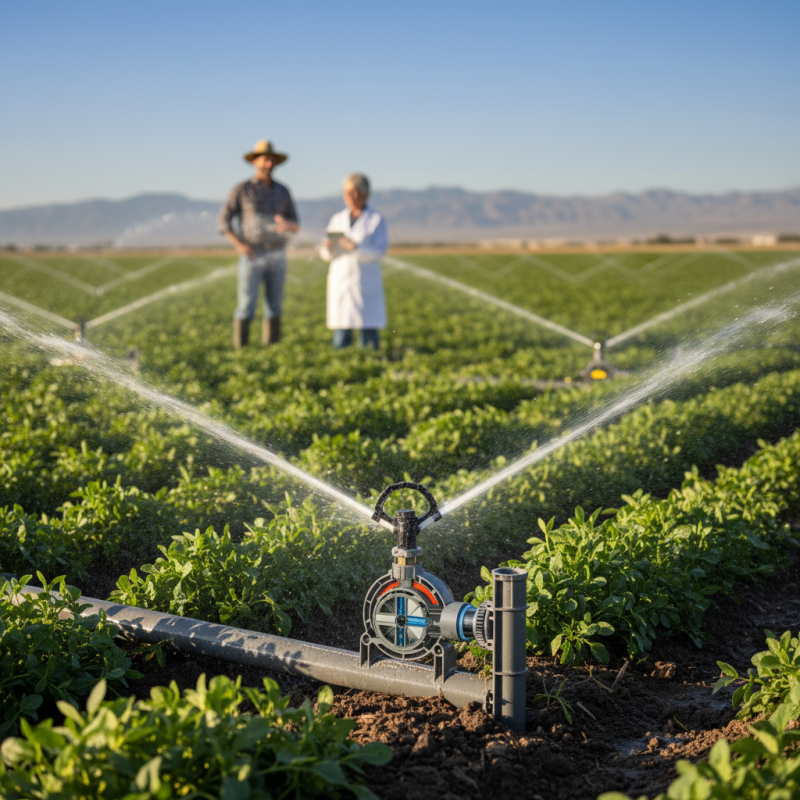
Overview of Irrigation Rotor Heads in China
Irrigation rotor heads have become essential for efficient water management in China. According to the China Agricultural Machinery Market Research Report 2022, the demand for advanced irrigation tools has surged, with rotor heads leading the charge. These devices are designed to distribute water evenly, optimizing crop yield and conserving resources. In regions with inconsistent rainfall, the importance of reliable irrigation systems cannot be overstated.
Tips: Regular maintenance of rotor heads can ensure longevity and efficiency. Farmers should inspect their systems at the start of each season.
Many farmers still struggle with traditional irrigation methods, leading to water wastage. Research from the China Green Development Foundation highlights that up to 50% of water can be lost through inefficient practices. As rotor head technology evolves, it offers solutions that reduce this waste. For instance, smart irrigation systems can monitor soil moisture levels and adjust accordingly.
Tips: Consider investing in smart technology for more precise irrigation. It can lead to significant savings over time.
The shift toward modern irrigation practices is ongoing. While many are eager to adopt these new technologies, some remain hesitant due to costs and knowledge gaps. Addressing these concerns is crucial for the future of China's agriculture.
Importance of Efficient Water Management in Agriculture
Efficient water management is crucial for modern agriculture. According to the Food and Agriculture Organization (FAO), agriculture accounts for approximately 70% of global freshwater withdrawals. This shows the sector's significant impact on water resources. Sustainable irrigation practices can help minimize waste. In China, efficient irrigation technologies are vital to cope with water scarcity and climate change.
Advanced irrigation systems, such as drip and sprinkler systems, offer precise water application. The China Agricultural University reports that adopting these technologies can increase crop yield by 20-30%. However, many farmers face financial and technical barriers to implementing these systems. There is often a lack of proper training for farmers, leading to inefficient water usage even with modern equipment.
Furthermore, the importance of routine maintenance cannot be overlooked. Neglected irrigation systems can lead to leaks and water loss. A study by the World Bank estimates that up to 40% of water can be wasted without regular upkeep. Addressing these issues is essential. Ensuring that all farmers have access to necessary tools and training can enhance water management practices in the agricultural sector.
China Top Irrigation Rotor Heads for Efficient Water Management Solutions
This bar chart represents the efficiency of various irrigation rotor heads in terms of water usage and crop yield. Efficient water management is vital in agriculture to conserve water resources and enhance food production.
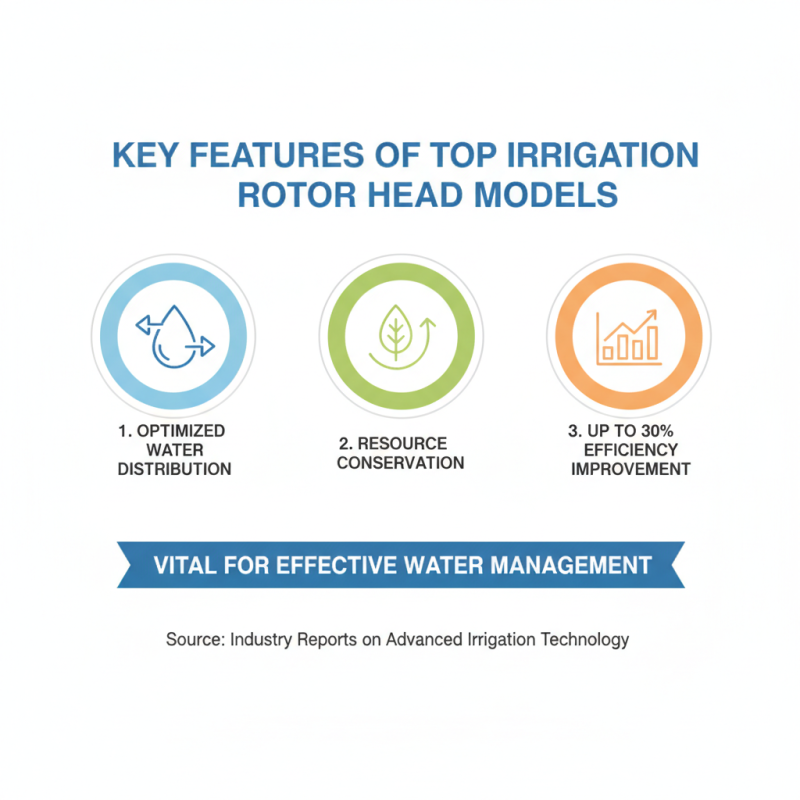
Key Features of Top Irrigation Rotor Head Models
Irrigation rotor heads are vital for effective water management in agriculture. Modern designs focus on optimizing water distribution while conserving resources. Reports indicate that advanced rotor head models can improve irrigation efficiency by up to 30%. This is a significant benefit for farmers facing water scarcity.
Key features of top irrigation rotor heads include adjustable spray patterns, durable materials, and ease of installation. These models often feature multiple nozzle sizes, allowing users to tailor the system to specific crop needs. Additionally, the ability to adjust the rotation speed can reduce water waste.
Tip: Regular maintenance of rotor heads ensures long-lasting performance. Check for blockages and wear regularly. This simple step can help avoid more significant issues later.
Another valuable feature is the integration of smart technology. Some models offer remote control, allowing users to monitor their irrigation systems in real time. Reports show smart irrigation practices can reduce water usage by up to 50%. However, it’s essential to consider initial investment costs versus long-term savings.
Despite the advantages, challenges exist. Installation can be complex and may require expert assistance. Evaluating local conditions is crucial for selecting the right model. Efficiency gains depend heavily on proper setup.
Comparison of Popular Brands and Their Performance
Irrigation rotor heads play a crucial role in water management. A recent report indicates that efficient irrigation can enhance crop yield by as much as 30%. This efficiency largely depends on the type and quality of rotor heads used. Various brands have emerged, each claiming unique advantages. It’s essential to analyze their performance metrics.
Performance varies significantly among popular irrigation rotor heads. Some brands achieve uniform distribution over a wide area. Their application rates range from 2.5 to 5 inches per hour, allowing for optimal water absorption. However, not all rotor heads are created equal. Some models struggle with clogging issues, especially in areas with hard water. Investing time in understanding these differences can be beneficial.
Water efficiency is another crucial factor. Some rotor heads improve water usage by 15% compared to others. This can lead to substantial cost savings for farmers. However, issues like uneven pressure can lead to inefficiencies, resulting in overwatering or underwatering. There is always room for improvement in design and technology. The irrigation sector must continually evolve to meet water management challenges effectively.
Future Trends in Irrigation Technologies in China
As China continues to face water scarcity challenges, innovative irrigation technologies are gaining importance. This shift leads to more efficient water management solutions. The trend is clear: modern rotor heads are designed to optimize water usage, reducing waste and enhancing crop yield. These improvements are essential for sustainable agriculture in arid regions.
Tips for effective irrigation include using moisture sensors. These devices help farmers monitor soil conditions in real-time. They can significantly improve water distribution timing, making sure crops receive the right amount of water. Also, consider implementing drip irrigation systems. They provide water directly to the plant roots, minimizing evaporation and runoff.
Investment in research and development is crucial. Emerging technologies like AI-driven systems can analyze vast data sets to predict irrigation needs accurately. Yet, challenges remain. Not all farmers can access advanced technologies due to cost or lack of training. Addressing these gaps will be essential for widespread adoption and success. Each step toward innovation must also consider local contexts and existing practices.