How to Choose the Right Sprinkler Irrigation Valve for Your Needs?
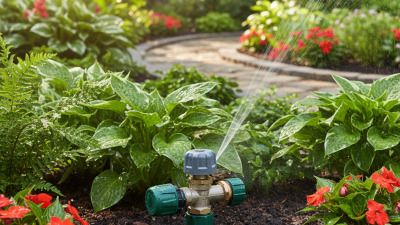
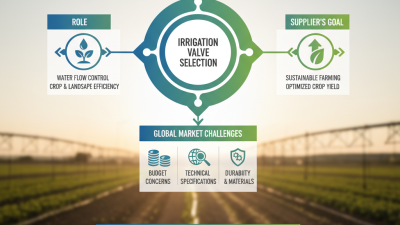
Selecting the right Sprinkler Irrigation Valve can feel overwhelming. With a variety of options, understanding your specific needs is crucial. An effective watering system is essential for garden and landscape health. The Sprinkler Irrigation Valve plays a key role in regulating water flow. Choosing the right valve impacts not only efficiency but also maintenance.
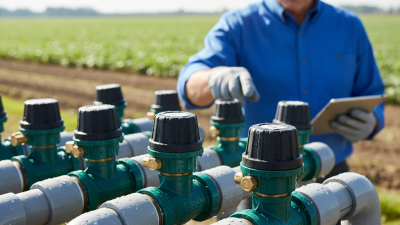
Consider factors like valve type, size, and compatibility with your irrigation system. Each valve has unique features that cater to different needs. For instance, automatic valves offer convenience, while manual valves allow more control. You might find that specific features work better in certain conditions or environments. Be aware that not all valves are equal in performance.
Research and seek advice from trusted sources. Looking at reviews can help you gauge reliability. However, personal experience also matters. Reflecting on past choices can lead you to better decisions now. Remember, a well-chosen Sprinkler Irrigation Valve not only saves you time but also enhances the effectiveness of your irrigation efforts.
Understanding the Functionality of Sprinkler Irrigation Valves
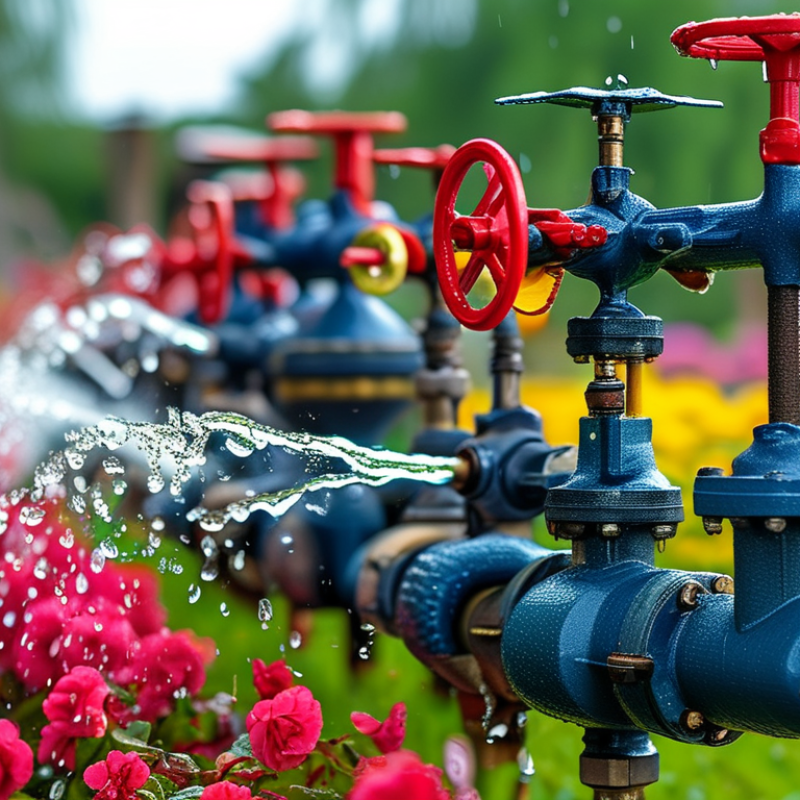
Choosing the right sprinkler irrigation valve is crucial for effective water management. The functionality of these valves impacts your irrigation system’s efficiency. A good valve regulates the flow of water, ensuring your plants receive the right amount. Some valves open and close automatically, while others require manual intervention. Understanding these options helps in making informed decisions.
Watering schedules can vary significantly based on your landscape needs. A valve with customizable settings might be ideal for complex gardens. Consider using a valve that integrates with a timer. This integration can enhance water conservation while reducing manual work.
Keep in mind the valve's durability. Some options may wear out quickly, especially in harsh climates. Regular maintenance is essential. Checking the valve for debris and leaks ensures longevity and reliable performance. A reliable valve can prevent overwatering, which is a common mistake among gardeners.
Evaluate your specific watering needs before making a choice. If your system faces fluctuating pressure, opt for a pressure-regulating valve. This choice warms your plants while conserving precious water resources. Don’t hesitate to consult a professional if you're uncertain about the best valve for your needs. A well-informed decision will save time and resources in the long run.
Sprinkler Irrigation Valve Type Comparison
Identifying Your Irrigation Needs and System Requirements
Choosing the right irrigation valve begins with understanding your specific needs. Assess the size of your landscape and the type of plants you have. Data from the Irrigation Association indicates that effective irrigation can increase plant health by up to 30%. For example, vegetable gardens may require different watering schedules than native plant beds. This understanding is crucial for selecting appropriate valves.
Examine your water source and pressure. If you have low water pressure, pressure-regulating valves will help maintain consistent flow. Research shows that nearly 50% of irrigation systems deliver too much water due to improper valve selection. Remember, water efficiency is not just about saving bills; healthy landscapes also depend on it.
Consider future expansion. If you plan to add more zones later, choose a valve that accommodates this growth. Integration with smart controllers may also enhance efficiency. Farmers using advanced irrigation techniques report a yield increase of 15% or more. Irrigation is complex. Rethink conventional methods and stay informed about better options.
How to Choose the Right Sprinkler Irrigation Valve for Your Needs?
| Valve Type |
Flow Rate (GPM) |
Pressure Rating (PSI) |
Material |
Typical Use |
| Manual Valve |
5-10 |
30-60 |
PVC |
Small Gardens |
| Electric Valve |
10-25 |
40-80 |
Brass |
Residential Systems |
| Hydraulic Valve |
15-40 |
60-100 |
PVC/Aluminum |
Commercial Use |
| Anti-Siphon Valve |
10-30 |
30-70 |
Plastic |
Backflow Prevention |
| Zone Control Valve |
5-20 |
50-90 |
Brass/Plastic |
Large Properties |
Comparing Different Types of Sprinkler Irrigation Valves
When selecting a sprinkler irrigation valve, it’s essential to understand the different types available. Common choices include
manual, electric, and pressure-regulating valves.
Manual valves are straightforward and cost-effective. They require physical operation, which may be inconvenient for larger systems.
Electric valves offer automation, allowing for remote operation, but they depend on a reliable power source. Pressure-regulating valves help maintain consistent water pressure, which can prevent damage to your sprinkler system.
Each type has its strengths and weaknesses. Consider the scale of your irrigation project. For small gardens, a manual valve may suffice.
However, larger landscapes often benefit from electric valves for enhanced control.
Reflect on your local climate and water supply as well. In areas with fluctuating water pressure, a pressure-regulating valve can be beneficial. Understanding your needs will lead to a more effective and efficient watering system.
Evaluating Material and Durability for Long-Term Use
Choosing the right sprinkler irrigation valve involves careful consideration of material and durability. A valve's longevity depends on its composition. Common materials include plastic, brass, and stainless steel. Plastic valves are lightweight and resistant to corrosion. However, they may not withstand extreme temperatures. On the other hand, brass and stainless steel valves are more durable. They can handle high-pressure systems effectively.
When evaluating durability, consider the environment where the valve will be used. If you live in a region with harsh weather, a robust valve is crucial. Metal valves tend to perform better under challenging conditions. Yet, they can be heavier and require more effort to install. Think about ease of maintenance as well. A durable valve might require less frequent replacements, saving you time and resources.
Look at the specifications closely. Check the pressure ratings and temperature limits. This will help determine if the valve can handle your specific needs. Be cautious about making assumptions based on looks alone. An attractive valve may not always guarantee performance. Conduct thorough research to avoid unexpected failures.
Installation and Maintenance Tips for Optimal Performance
Choosing the right sprinkler irrigation valve involves understanding its installation and maintenance needs. Proper installation is crucial for effective operation. Ensure the valve is mounted level and away from debris. Check for leaks after installation. Test the system to confirm it's functioning correctly. An incorrectly installed valve can lead to water wastage or system failure.
Regular maintenance enhances the valve's performance. Clean the valve annually to remove dirt and sediment. Inspect the connections for wear, replacing parts if necessary. It's essential to keep an eye on the valve's responsiveness. If it shows signs of sticking or irregular operation, address these issues promptly. Neglecting routine checks can result in costly repairs later.
Learning about your specific valve's requirements is important. Adjustments may be needed based on seasonal changes. Water pressure fluctuations can affect valve performance. Listen for unusual sounds during operation, indicating a problem. These practices can help ensure your irrigation system runs efficiently and reliably.