10 Essential Tips for Choosing Sprinkler Irrigation Valves?
In today's environment, effective water management is crucial. The "Sprinkler Irrigation Valve" industry plays a significant role in agriculture and landscaping. According to a report by the Irrigation Association, over 60% of agricultural water use in the U.S. comes from irrigation systems. Choosing the right sprinkler valves can drastically affect efficiency and sustainability.
Expert John Smith, a leading figure in irrigation technology, has stated, "Selecting high-quality sprinkler irrigation valves is key to optimizing water usage." His insights emphasize the impact of valve quality on water conservation. Farmers and landscapers alike must consider various factors when selecting these components.
Common pitfalls include overlooking the valve's material compatibility and flow rate specifications. Many choose based solely on price, which can lead to costly repairs. Balancing cost with efficiency is essential for long-term success. As the industry evolves, knowledge about valve options becomes invaluable. Choosing wisely ensures that resources are used efficiently, benefiting both the environment and the bottom line.
Understanding the Different Types of Irrigation Valves in Sprinkler Systems
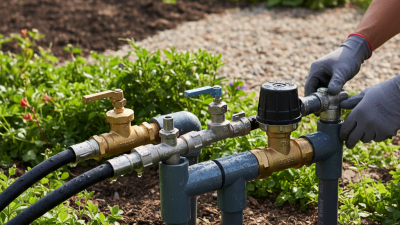
When selecting irrigation valves for sprinkler systems, it’s important to understand the various types available. Two primary types are electrical and manual valves. Electrical valves, often used in automated systems, can improve efficiency and reduce water waste. In contrast, manual valves provide simplicity and reliability, but require more user intervention.
Tip 1: Evaluate the size and flow rate of your system. Each valve type supports specific flow rates. Using mismatched valves can lead to inefficiency or damage. According to the Irrigation Association, improper valve selection can reduce system performance by up to 30%.
The choice between PVC and brass valves also impacts longevity and performance. PVC is lightweight and resistant to corrosion, making it popular in residential applications. Brass valves, while more expensive, offer durability and superior pressure handling.
Tip 2: Consider maintenance requirements. Mechanical failure can occur, especially in less durable valves. Reports indicate that regular inspections can minimize unexpected failures in irrigation systems. Knowledge of your system's needs can save money and resources in the long run.
Tip 3: Monitor leaks consistently. Even minor leaks can escalate water waste significantly over time. Regular assessments allow timely repairs, enhancing system efficiency. Awareness of these details is crucial for anyone serious about optimizing their irrigation practices.
Key Specifications to Consider When Selecting Sprinkler Irrigation Valves
When selecting sprinkler irrigation valves, it's crucial to consider key specifications. Begin with flow rate requirements. This is vital for efficiency. Too low a flow will lead to dry spots. Too high can cause runoff. Calculate the necessary flow based on your landscape needs.
Pressure ratings matter as well. Valves must withstand the pressure in your system. If the pressure is insufficient, it could damage the valve. Look for valves rated for higher pressure than your system typically uses. This precaution can prevent leaks and failures.
Material selection is another essential aspect. Durable materials, like brass or high-quality plastic, ensure a long lifespan. Cheaper materials may work temporarily but wear down quickly. It's wise to invest in robust options that can handle environmental stressors over time. Searching for valves with warranties can add confidence in your decision. Remember, choosing the right valve impacts the overall success of your irrigation system. Never overlook this step in your planning process.
10 Essential Tips for Choosing Sprinkler Irrigation Valves
This bar chart illustrates the importance level of various specifications to consider when choosing sprinkler irrigation valves. Each factor is rated on a scale from 1 to 10, highlighting Material Quality and Pressure Rating as the most critical considerations.
Factors Influencing the Durability and Longevity of Valves in Irrigation
When selecting irrigation valves, understanding their durability and longevity is vital. The lifespan of these components can vary significantly. A recent industry report noted that high-quality valves can last over ten years, while lower-quality options may fail within a year. Factors such as materials, environmental conditions, and pressure ratings play crucial roles in their performance.
Choosing the right materials is essential. Brass and PVC are common options, but they behave differently under pressure and temperature variations. For instance, brass valves are more durable in extreme weather. However, they may corrode over time if not maintained properly. Regular checks can help prevent unexpected failures.
Tip: Always consider the pressure rating of your valves. This ensures they can handle your irrigation system's needs without leaking or breaking. Also, think about the environment where they will be installed. Harsh conditions can lead to faster wear.
The installation process impacts longevity too. Poor installation can cause significant issues, even in high-quality valves. Evaluating the installation site and planning for potential pitfalls is critical. Overlooking this aspect could lead to costly repairs and system inefficiencies.
Assessing Flow Rate and Pressure Requirements for Optimal Performance
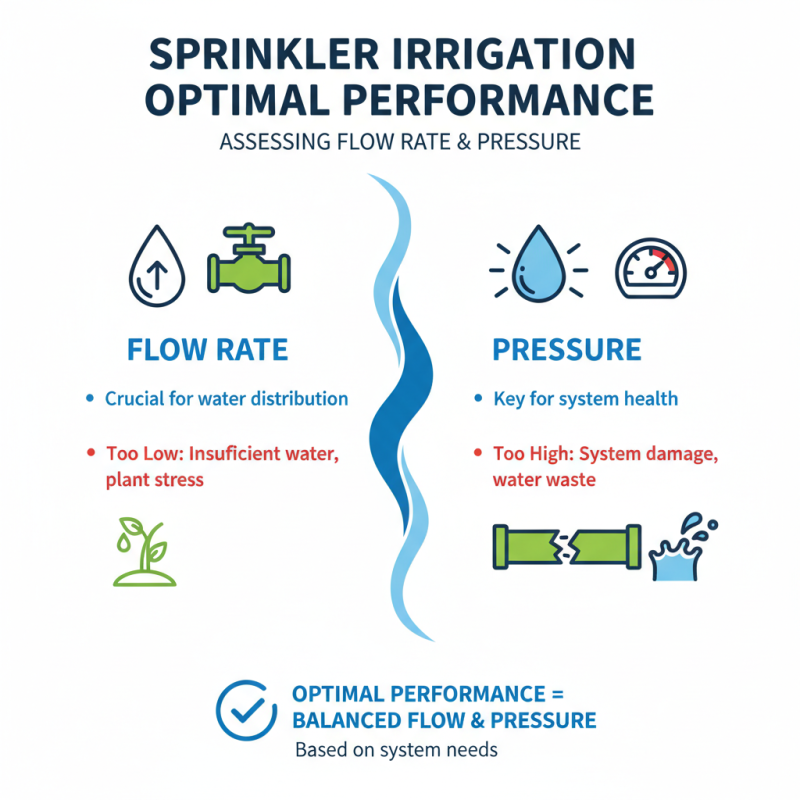
When selecting sprinkler irrigation valves, understanding flow rate and pressure requirements is crucial for performance. Each irrigation system has specific needs. Assessing these parameters ensures optimal water distribution. Without proper flow rate, plants may suffer from insufficient water. Conversely, too high a pressure can damage the system and lead to water waste.
Start by measuring your system's water supply. Use a flow meter to evaluate the gallons per minute (GPM) for your specific area. Ideal pressures typically range between 30 to 60 psi. If your readings are outside this range, adjustments may be necessary. Too low a pressure results in weak water spray, while excessive pressure can create mist instead of effective irrigation.
Consider different irrigation zones and their requirements. Each zone may need varied flow rates due to plant types and sizes. Document your measurements for future reference. Consider consulting an irrigation specialist if unsure about your calculations. Understanding these factors may take time, but it significantly impacts system efficiency. Regular checks and adjustments can lead to a healthier, more sustainable landscape.
The Importance of Compatibility with Existing Irrigation Infrastructure
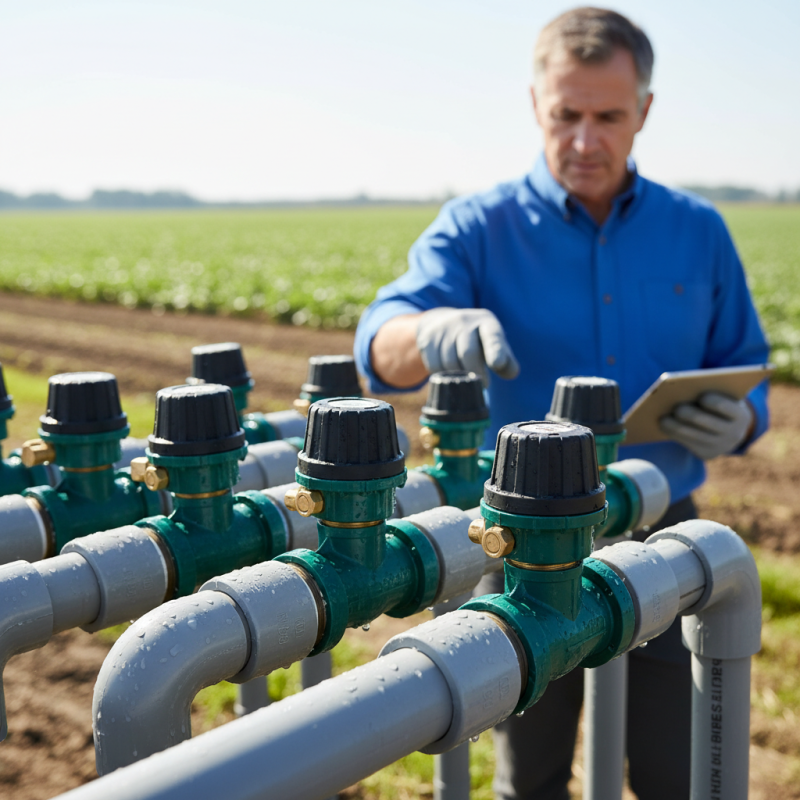
When selecting sprinkler irrigation valves, compatibility with your existing irrigation infrastructure is crucial. Studies indicate that over 30% of irrigation systems fail due to mismatched components. This can lead to significant water waste and inefficiency. Ensuring that new valves fit seamlessly with existing pipes and controllers is vital.
Incompatibility can lead to operational issues, such as inconsistent water flow and pressure drops. According to the Irrigation Association, poor compatibility may cause up to a 25% increase in water usage. It is essential to assess the specifications of your current setup. Check sizes, materials, and pressure ratings before making a decision.
Don’t overlook installation challenges either. The right valve can simplify maintenance and reduce long-term costs. Conversely, using ill-fitting parts often results in frequent repairs, wasting both time and resources. Consulting with irrigation professionals can help clarify these choices. Always prioritize compatibility to ensure the effectiveness of your irrigation system.