Leave Your Message

10 Essential Tips for Choosing Your Irrigation System Valve

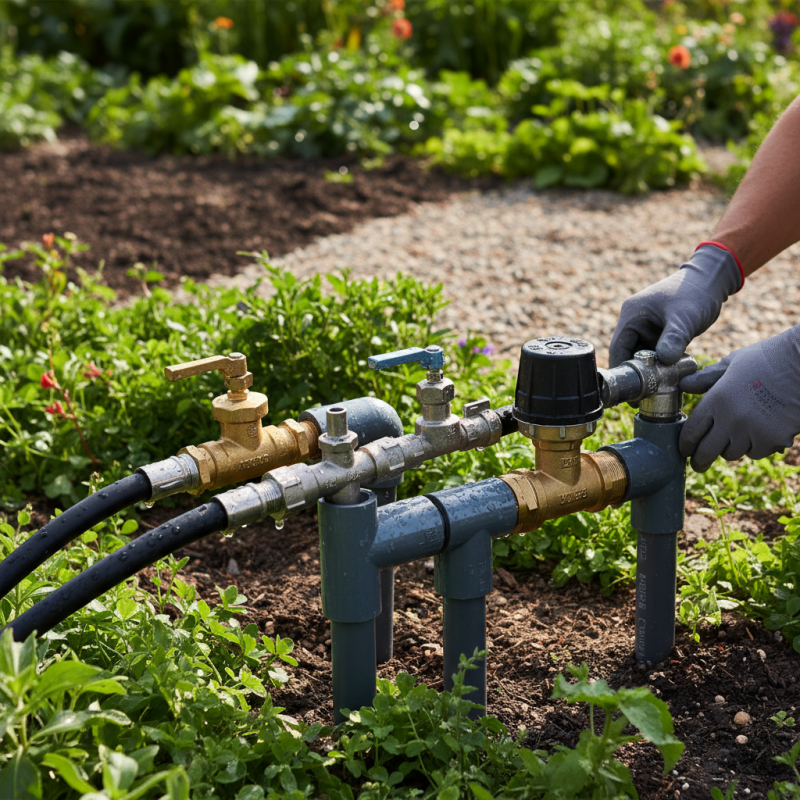
Choosing the right Irrigation System Valve is crucial for the efficiency of any irrigation system. Renowned irrigation expert Dr. Helen Carter emphasizes, "A valve is the heartbeat of your irrigation system." This statement underscores the valve's importance in controlling water flow and conserving resources.

Selecting an appropriate valve involves more than just picking an option off the shelf. It requires understanding your landscape's unique needs, soil types, and plant requirements. With many valve types available, a careful approach is essential.

Be mindful that installation mistakes can lead to inefficiencies. Incorrect sizing or improper placement can result in water waste. It's vital to reflect on your previous choices and learn from past experiences. Selecting the right Irrigation System Valve should enhance your irrigation strategy rather than complicate it.
10 Essential Tips for Choosing Your Irrigation System Valve

Understanding the Different Types of Irrigation Valves and Their Applications

10 Essential Tips for Choosing Your Irrigation System Valve

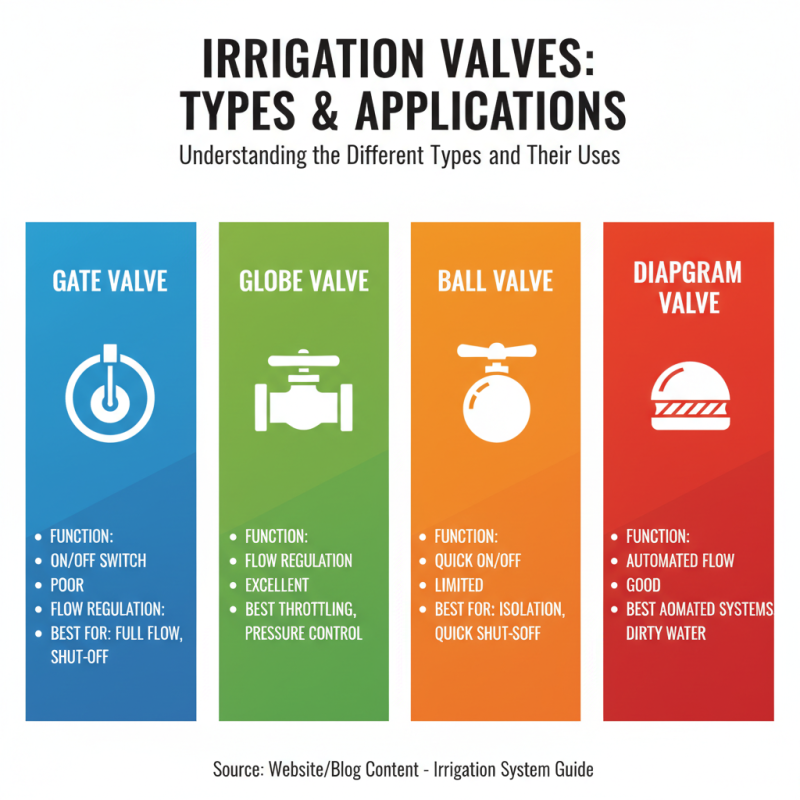
When selecting an irrigation system valve, it's essential to understand the various types available. Each valve serves a specific purpose in managing water flow. Gate valves, for instance, are highly reliable. They provide a straightforward way to turn water on or off. However, they may not regulate flow effectively. They are best suited for applications where full flow is needed.

On the other hand, globe valves offer better flow regulation. They can throttle water pressure efficiently. Though they may be more complex, their precision often yields better outcomes for gardens with varying water needs. Similarly, electric control valves are gaining popularity. They enable automation and remote control. This can be beneficial for large landscapes, but they require a reliable power source.

Understanding the materials is also crucial. Brass and PVC are common choices. Brass is durable, but can be expensive. PVC, while more affordable, may not withstand extreme temperatures. Regular maintenance will also be necessary, regardless of the type. Inspect for leaks and ensure proper function. This may seem simple, but neglect can lead to bigger problems. By considering your specific needs and the application of each valve type, you can make a more informed decision.
Evaluating Flow Rate Requirements for Efficient Irrigation Valve Selection

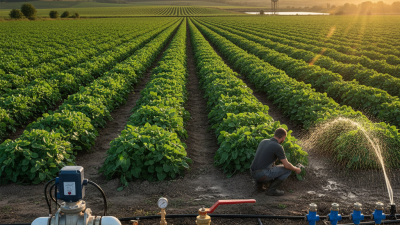
When choosing an irrigation valve, understanding flow rate is critical. Flow rate affects how water moves through your system. Too high or too low can lead to poor performance. You should assess the specific needs of your landscape. Measure the water output from your source. This helps you determine the right size valve.

Evaluate your plants’ water requirements. Different species need varying amounts of water. A flower bed might require a steady flow, unlike a lawn that prefers broader coverage. Balance is key. You don't want an overabundance of water in one area while others suffer. It’s essential to consider all these aspects before making a decision.

Taking the time to calculate flow rates may seem tedious. But remember, improper valve selection can waste resources. Research typical flow rates in your region. This often involves a bit of trial and error. Document your findings and be prepared to adapt. Ultimately, efficient irrigation requires careful thought about flow rates and needs.

Importance of Material Selection in Irrigation Valves to Prevent Corrosion

When selecting irrigation system valves, the choice of material is critical. Corrosion can significantly impact the longevity of your system. Valves made from materials like brass or stainless steel offer better resistance to rust and degradation. This is particularly important in systems exposed to water with varying pH levels. Using the wrong material might lead to frequent replacements, costing more over time.

Copper and PVC may be appealing due to cost. However, their susceptibility to corrosion can lead to failures. Observing a valve's performance over a few seasons can highlight potential issues. Regularly checking for leaks or degradation helps ensure that your investment remains sound.

Incorporating choices backed by research and expert advice can improve system durability. Seeking insights from seasoned professionals can reveal which materials perform best in your specific environment. Ensure that you are not just following trends but making informed decisions. Balancing cost against longevity and reliability is essential for a successful irrigation system.

Material Selection Impact on Irrigation Valve Durability

This chart illustrates the corrosion resistance ratings of various materials used in irrigation system valves. Selecting the right material is crucial to ensure longevity and efficiency in irrigation systems.

Analyzing Pressure Rating and Its Impact on Valve Performance

10 Essential Tips for Choosing Your Irrigation System Valve

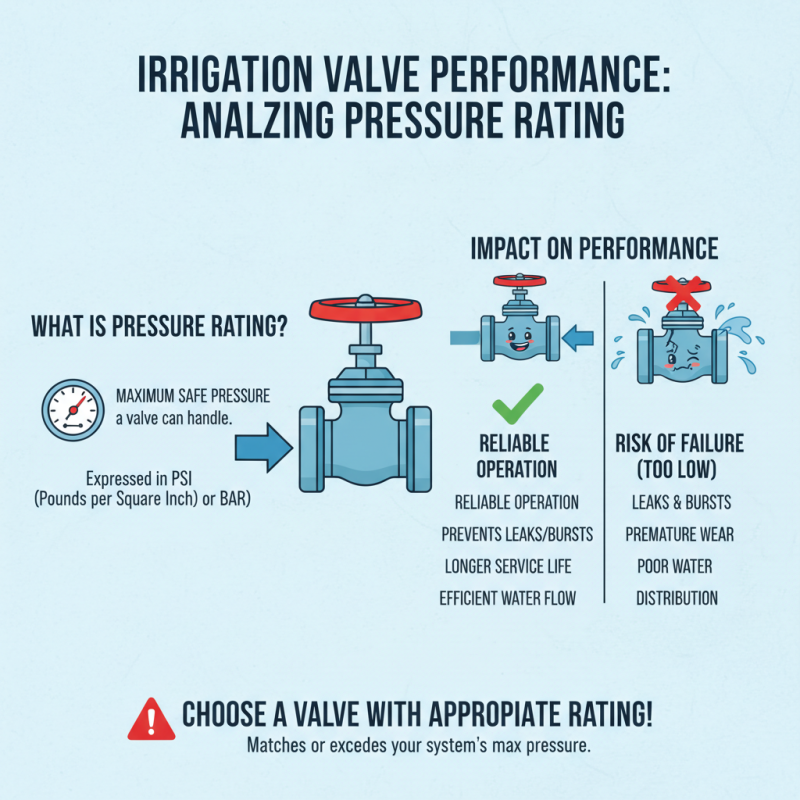
Pressure rating plays a crucial role in the performance of irrigation system valves. Each valve has a specific pressure rating, indicating the maximum pressure it can handle. Choosing a valve with an appropriate rating ensures that it operates effectively without failure. High-pressure situations can stress the valve, leading to leaks or bursts if the rating is exceeded.

Understanding your system's pressure requirements is essential. Measure the pressure in your irrigation system before selecting a valve. Consider fluctuations and variations that may occur during operation. Many users overlook this step and face costly repairs later. Think about where the valve will be located. If it's in an area with high water pressure, a higher-rated valve is necessary.

Not all valves perform the same under stress. Some designs may fail earlier than others, even within the same pressure rating. Checking materials and construction can provide insights into reliability. Make informed decisions, and ensure that the selected valve aligns with your specific needs. Reflect on your choices and remember that quality often outweighs the initial cost.

Cost-Benefit Analysis of Electric vs. Manual Irrigation System Valves

When considering an irrigation system, it's crucial to analyze the costs and benefits of electric versus manual valves. Electric valves generally come with a higher upfront cost but offer automation that can save time and labor. According to industry reports, automated systems can reduce water usage by up to 30% compared to manual systems. This efficient water consumption is vital for maintaining a sustainable garden or agricultural landscape.

Manual valves, while less expensive initially, require more hands-on management. They can lead to inefficiencies in water application, particularly if the user forgets to turn them on or off. A study indicated that poorly managed manual systems could result in a 20% increase in water waste. Many users find this lack of automation burdensome, especially in larger areas where constant monitoring is impractical.

Maintenance of electric valves can also be a concern. While they require less frequent physical adjustments, electrical components can fail, leading to potential costly repairs. Conversely, manual valves are often simpler to repair and maintain. Users must weigh these trade-offs based on their unique water management needs and preferences.

10 Essential Tips for Choosing Your Irrigation System Valve - Cost-Benefit Analysis of Electric vs. Manual Irrigation System Valves

Valve Type Initial Cost Installation Cost Maintenance Cost Ease of Use Control Features Longevity
Electric Valve $30 - $50 $100 - $200 $20 - $40/year Very Easy Programmable, Remote Control 10 - 15 years
Manual Valve $15 - $25 $50 - $100 $10 - $20/year Moderate Basic 5 - 10 years