Top 10 Sprinkler Controllers You Need for Efficient Irrigation?
In today's world of efficient gardening, the Sprinkler Controller is a vital tool. It optimizes water usage, saving your garden and your wallet. According to irrigation expert Dr. Jane Anderson, "A smart Sprinkler Controller transforms irrigation from a chore into an efficient solution." This highlights the significance of choosing the right controller.
Each gardening enthusiast knows that every drop counts. Utilizing a reliable Sprinkler Controller can prevent over-watering or under-watering. Modern controllers come equipped with weather sensors, ensuring your plants receive just the right amount of moisture. However, many users overlook their settings, leading to wasted water or stressed plants. This calls for a deeper understanding of the product.
Selecting a top Sprinkler Controller involves evaluating various features. Some controllers allow smartphone access for remote adjustments. Yet, not all options are user-friendly. It's essential to consider both the technological aspects and your gardening needs. Investing in a quality controller pays off, but the choice requires careful thought.
Understanding the Importance of Sprinkler Controllers in Irrigation
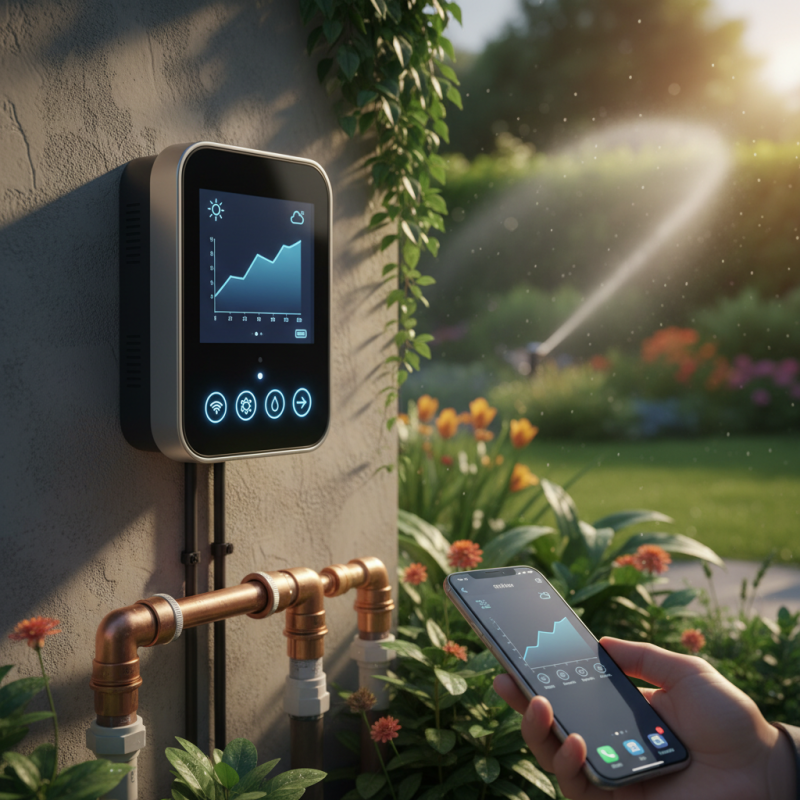
Sprinkler controllers play a crucial role in modern irrigation systems, optimizing water usage and providing efficient plant care. They automate the watering schedule based on various environmental factors, such as temperature and rainfall. This responsiveness ensures that plants receive the right amount of water at the right times. However, many users overlook the importance of regular updates and maintenance for these controllers.
Having a functional sprinkler controller is not just about convenience. It helps prevent overwatering, which can lead to water waste and unhealthy plants. A well-timed irrigation schedule conserves resources and promotes healthier gardens. Yet, some systems may require more expertise to set up than users anticipate. Misconfigurations often happen, resulting in inadequate watering or excessive runoff.
Understanding your controller's features and capabilities is essential. This knowledge can help you leverage its full potential. Users frequently report frustration over complex programming and navigation. Regularly revisiting the manual or seeking expert advice can enhance the system’s effectiveness. By engaging with the technology, you create a more sustainable irrigation process and foster growth in your landscapes.
Top 10 Sprinkler Controllers You Need for Efficient Irrigation
Key Features to Look for in a Sprinkler Controller
When selecting a sprinkler controller, you should focus on several key features for optimal irrigation.
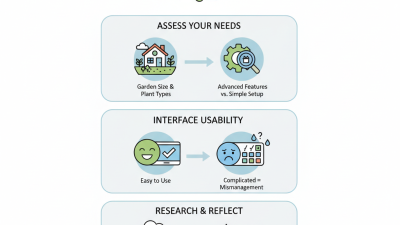
Start with user-friendly interfaces. A simple display and intuitive buttons are essential.
A complicated interface can lead to mistakes, wasting both water and money.
Make sure the controller can be easily programmed and adjusted according to your needs.
Look for smart technology. Controllers with Wi-Fi capability can automatically adjust watering schedules based on weather conditions.
This feature helps save water and reduces the environmental impact.
Additionally, compatibility with mobile apps allows for easy monitoring and control from anywhere.
Consider water conservation settings. Some controllers have special features that help minimize water use during dry seasons.
This is not just practical; it's vital for sustainability.
Yet, remember that even advanced controllers require regular updates and maintenance.
A reliable controller will provide peace of mind, but it’s important to check that it's functioning correctly.
Top Brands and Models of Sprinkler Controllers Reviewed
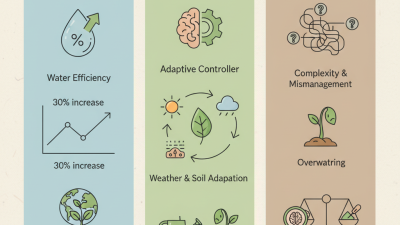
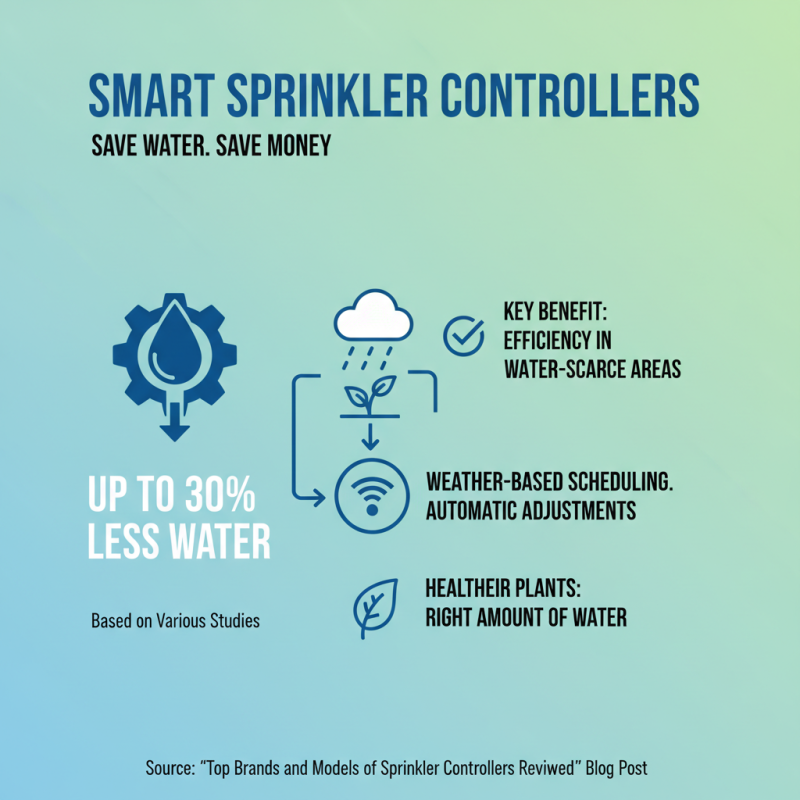
When considering efficient irrigation, selecting the right sprinkler controller is crucial. Various studies reveal that modern sprinkler controllers can reduce water usage by up to 30%. This efficiency is vital in areas facing water scarcity. Controllers that utilize weather data can adjust watering schedules automatically, ensuring that plants receive just the right amount of water.
Leading models on the market boast features such as remote access, allowing users to monitor their systems from anywhere. A report from the Irrigation Association found that smart controllers significantly improve plant health and reduce maintenance time. Such devices are also seen as a long-term investment, offering savings on utility bills.
However, not every controller performs as expected. Some users have reported installation challenges and compatibility issues with existing systems. It’s essential to research and choose a model that fits specific needs. Industry feedback suggests that proper calibration and programming are key to maximizing efficiency. Inadequate setup may lead to overwatering or underwatering. Thus, understanding the product's intricacies is essential for delivering optimal performance.
Comparative Analysis of Smart vs. Traditional Sprinkler Controllers
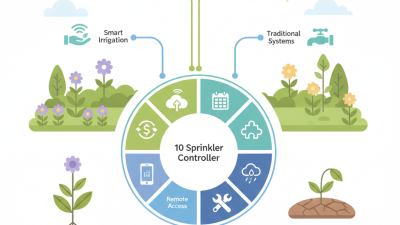
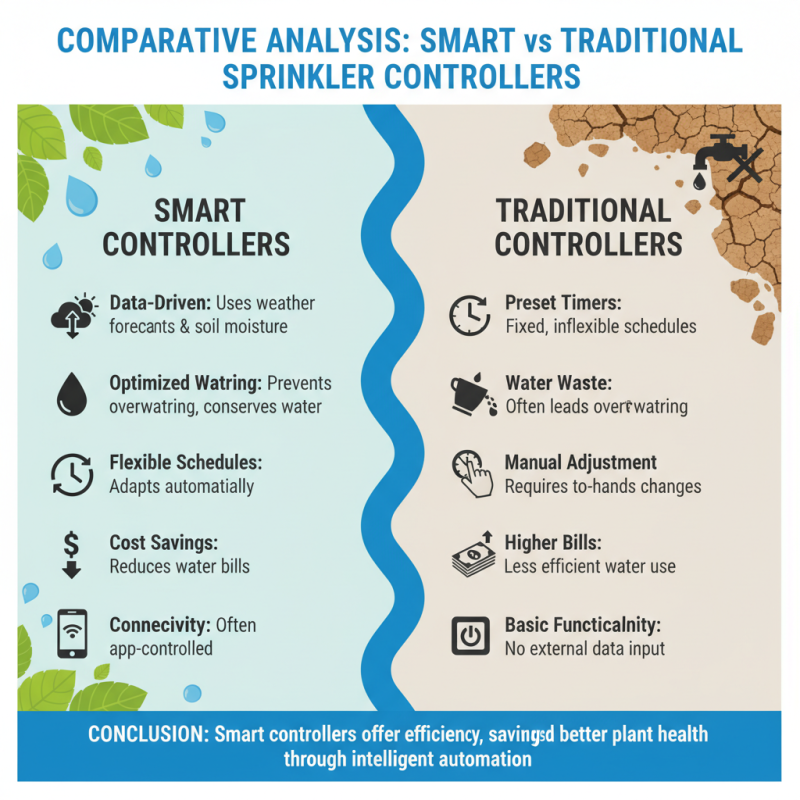
When considering irrigation systems, the choice between smart and traditional sprinkler controllers is crucial. Smart controllers utilize weather data and soil moisture levels to optimize watering schedules. This ensures plants receive adequate hydration while avoiding overwatering. Traditional controllers, on the other hand, rely on preset timers. They provide less flexibility, often leading to wasteful watering practices.
Tips for choosing the right controller: Assess your landscape needs. For small gardens, a traditional model may suffice. Larger areas benefit from smart controllers. Look at your local climate. If rain is frequent, a smart system can save water. Are you tech-savvy? A smart controller requires a reliable internet connection for its features.
Also, consider installation. Smart systems often involve more setup. You may have to program settings for optimal performance. Traditional systems generally have straightforward installation processes. Reflect on your long-term goals. Investing in smart technology can lead to significant savings over time. However, it might take effort to understand its full capabilities. Familiarizing yourself with the technology is essential.
Maintenance Tips for Prolonging the Life of Your Sprinkler Controller
Maintaining your sprinkler controller is crucial for efficient irrigation. Regular upkeep can significantly extend its lifespan. Dirt and debris can clog your controller's sensors and wiring. Clean them every few months. A simple wipe with a damp cloth can do wonders. Make sure to check for any signs of wear, especially in the connectors.
Another important step is to update the software if your controller has that capability. Software updates often include performance enhancements and bug fixes. Skipping this step could lead to inefficient operations. Additionally, protect your controller from extreme weather. A protective cover can shield it from harsh elements.
Inspect the batteries or power supply regularly. Weak power sources can cause erratic functionality. Consider using surge protectors to guard against electrical spikes. Sometimes, troubleshooting involves a bit of trial and error. Track changes and results to find the best settings for your garden. Remember, a little effort goes a long way in preserving your investment.