Essential Sprinkler Irrigation Parts for Efficient Farming?
In the realm of agriculture, efficient water management is paramount. Sprinkler irrigation has emerged as a cornerstone of modern farming practices. Renowned expert Dr. Emily Harrison, a leading figure in irrigation technology, emphasizes, “The right Sprinkler Irrigation Parts can drastically improve water efficiency.”
A well-structured system involves various components, each playing a crucial role. From valves and pumps to nozzle tips, understanding these parts is essential. Farmers often overlook minor aspects, leading to inefficiencies. Selecting durable and reliable Sprinkler Irrigation Parts can mitigate costly mistakes and enhance crop yields.
Dr. Harrison points out the frequent misalignment in expectations and outcomes. Many farmers invest in high-tech systems yet neglect periodic maintenance or proper setup. This discrepancy highlights the need for education on how these parts function together. By addressing this gap, farmers can optimize their irrigation setups and ultimately achieve sustainable success.
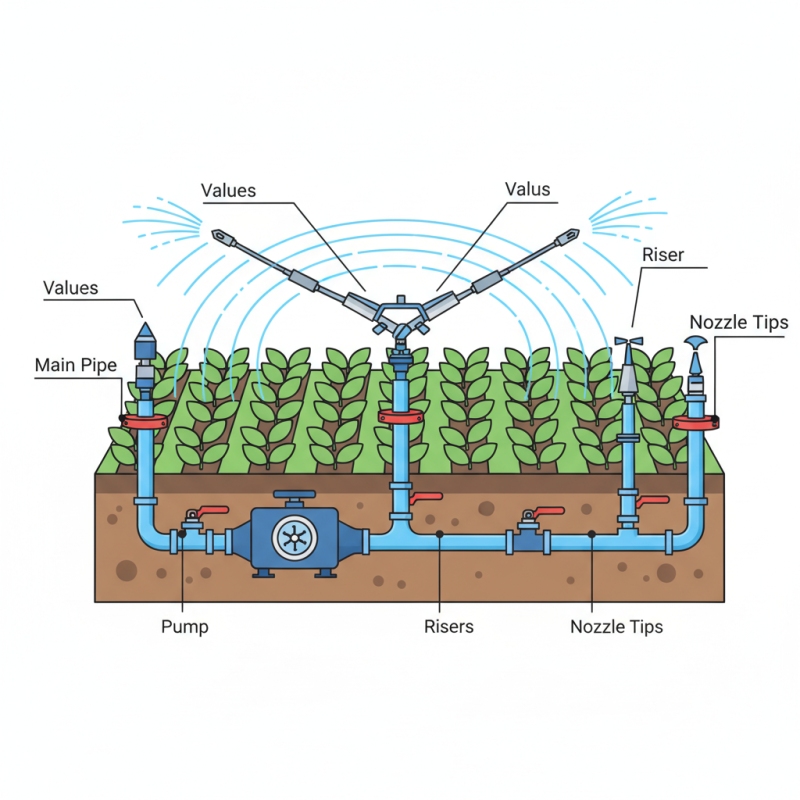
Essential Components of Sprinkler Irrigation Systems in Agriculture
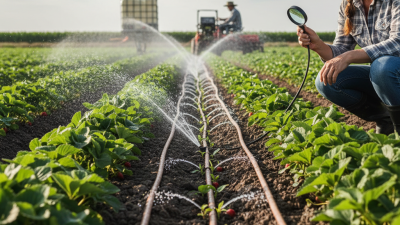
Sprinkler irrigation systems play a vital role in modern agriculture. They ensure that crops receive adequate water, promoting healthy growth. Understanding the essential components of these systems is crucial for efficient farming.
Pipes transport water from the source to the fields. They must be durable and appropriately sized to handle the water pressure. Connectors link different sections, providing flexibility in the layout. It's essential to choose reliable materials, as weak connectors can lead to leaks and wastage.
Sprinklers distribute water evenly. They come in various types, such as fixed or rotating, each serving different purposes. Timer systems offer better control over watering schedules, optimizing water usage. However, farmers sometimes ignore maintenance. Clogged nozzles can lead to uneven watering, affecting crop yield. Observing system performance regularly helps in identifying issues early.
Essential Sprinkler Irrigation Parts for Efficient Farming
This chart illustrates the quantity of essential components used in sprinkler irrigation systems. Understanding the distribution of these parts helps in optimizing agricultural practices for better efficiency and productivity.
Types of Sprinklers: Selecting the Right Design for Your Crop Needs
Selecting the right sprinkler design is crucial for effective farming. Different crops have varying water needs. Research indicates that overhead sprinklers can significantly improve irrigation efficiency. For instance, the American Society of Agricultural and Biological Engineers notes that proper sprinkler selection can increase water use efficiency by up to 50%.
Drip irrigation systems are excellent for row crops, providing water directly to the roots. Studies show that this method can reduce evaporation losses by 20-30%. It's vital to assess your specific crop requirements. Some crops flourish in moist conditions, while others prefer drier soil. Understanding these nuances can lead to better yields.
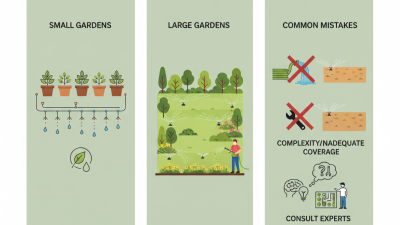
However, not every farmer has access to advanced technology or resources. Many still face challenges in selecting the right system. It’s essential to consider local climate conditions and soil types. Local extension services often have valuable insights, so reaching out for recommendations can be beneficial. Each decision should be informed by experience and local agronomic data, balancing efficiency with accessibility.
Essential Sprinkler Irrigation Parts for Efficient Farming
| Sprinkler Type |
Suitable Crops |
Coverage Area (acres) |
Water Pressure (psi) |
Installation Complexity |
| Pivot Sprinklers |
Corn, Soybeans |
50-200 |
30-50 |
Medium |
| Drip Irrigation |
Tomatoes, Peppers |
1-10 |
15-30 |
High |
| Spray Sprinklers |
Lettuce, Carrots |
2-15 |
20-40 |
Medium |
| Bubbler Irrigation |
Fruit Trees |
0.5-5 |
10-25 |
Low |
Water Management: Calculating Efficiency and Reducing Waste in Irrigation
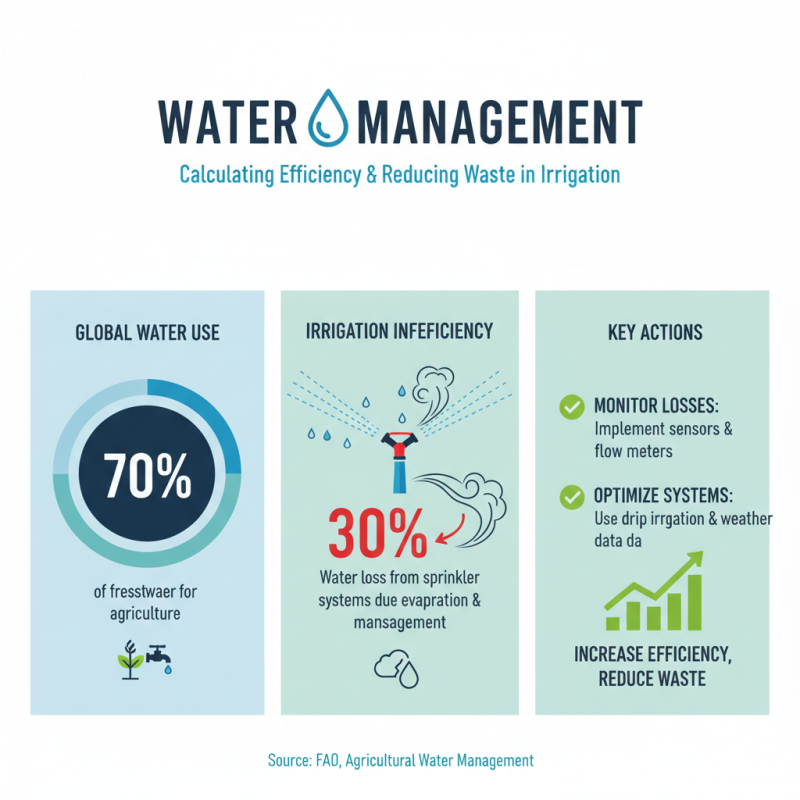
Effective water management in irrigation plays a crucial role in sustainable farming. According to the Food and Agriculture Organization, nearly 70% of global freshwater is used for agriculture. However, inefficiencies in irrigation can lead to significant water waste. Studies indicate that sprinkler systems can lose up to 30% of water through evaporation and mismanagement. Farmers need to track these losses closely.
Calculating efficiency involves understanding both water usage and crop yield. Research shows that optimizing water delivery can improve crop yield by 10-20%. For instance, maintaining proper pressure and coverage in sprinkler systems reduces runoff and keeps water where it belongs. Yet, many farmers struggle with outdated technologies that lack precision. Contemplating the integration of soil moisture sensors or automated controls can dramatically enhance water use efficiency.
However, not all farmers are equipped to make these changes easily. Budget constraints often limit access to modern irrigation technologies. Additionally, a lack of training in water management practices can hinder progress. It’s essential for agricultural education programs to focus on practical, efficient solutions to these challenges. Maintaining a critical eye on water usage can lead to both environmental benefits and improved productivity.
Maintenance Practices: Ensuring Longevity and Performance of Irrigation Systems
Maintaining your irrigation system is vital for optimal performance in farming. Regular maintenance prevents leaks and ensures water reaches crops efficiently. Inspecting sprinkler heads for clogs can save water and improve coverage. Over time, wear and tear can reduce the effectiveness of these systems.
Tips: Clean sprinkler heads monthly. This simple act keeps them functioning correctly. Look for dirt or debris that could block water flow.
Pipes and connections should be checked too. Small leaks can lead to significant water loss over time. Fixing them early prevents larger issues down the road. Additionally, adjusting the pressure ensures all areas receive adequate water.
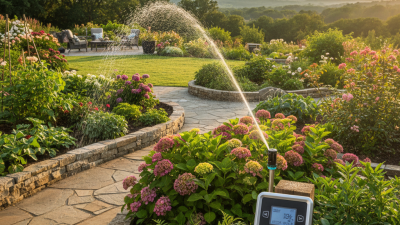
Tips: Use a pressure gauge to monitor levels. This helps maintain even distribution across your fields.
Investing time in these practices can enhance the longevity of your irrigation system. You might discover areas needing improvement as you evaluate your setup. Remember, failing to address minor issues now can lead to major setbacks later.
Innovative Technologies: Advancements in Sprinkler Irrigation for Higher Yields
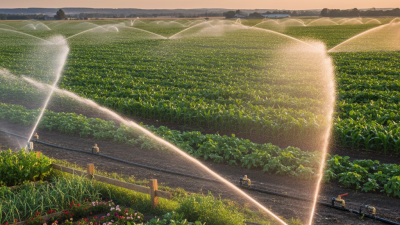
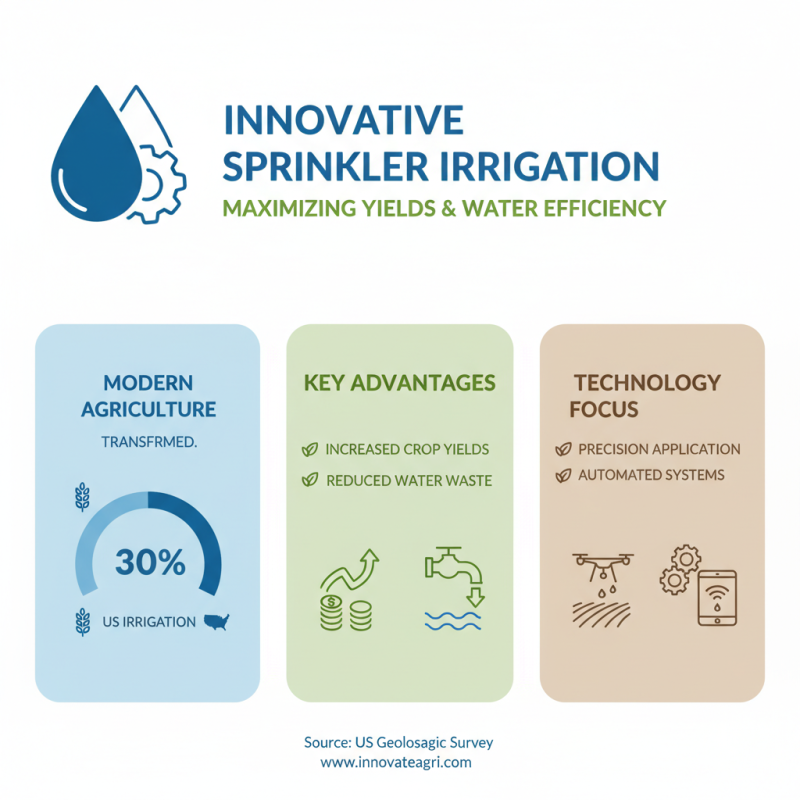
Sprinkler irrigation has transformed modern agriculture. Innovative technologies now enable farmers to maximize water efficiency and crop yields. According to the U.S. Geological Survey, about 30% of the nation’s irrigation use comes from sprinkler systems. These systems cover large areas and reduce water wastage significantly.
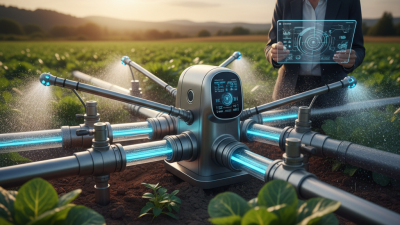
One of the recent advances is precision irrigation. This technology adjusts water delivery based on real-time data. In a study published by the Journal of Irrigation and Drainage Engineering, it was found that farms utilizing precision irrigation can achieve up to a 25% increase in yield. This is made possible through soil moisture sensors and automated controls. However, the implementation of these technologies can be costly, leading to concerns about accessibility for small-scale farmers.
Moreover, adaptability remains crucial in farming practices. Different crops have varying water needs. A "one-size-fits-all" irrigation approach can lead to under or over-watering. Insights from agricultural experts highlight the need for farm-specific irrigation solutions. This approach challenges the industry to continuously innovate while addressing the diverse requirements of farmers. Balancing innovation with affordability poses a significant hurdle in the quest for higher yields.