Top Irrigation Valve Types for Your Garden Needs?
When it comes to gardening, the right irrigation system is crucial. An expert in irrigation systems, Dr. Emma Hart, emphasizes, "Choosing the right irrigation valve can make or break your garden's health." This highlights the importance of understanding how irrigation valves function in garden care.
Irrigation valves control the flow of water, ensuring plants receive adequate hydration. With various types available, selecting the appropriate valve can be daunting. Automatic valves provide convenience, while manual valves offer simplicity. Each type serves distinct needs based on your garden's layout and water source.
Many gardeners overlook the significance of these components. A poorly chosen irrigation valve may lead to overwatering or dry plants. This can result in wasted resources and frustration. Reflection on your garden’s specific requirements can guide better decisions. Investing time in valve selection is essential for a thriving garden.
Introduction to Irrigation Valves and Their Importance
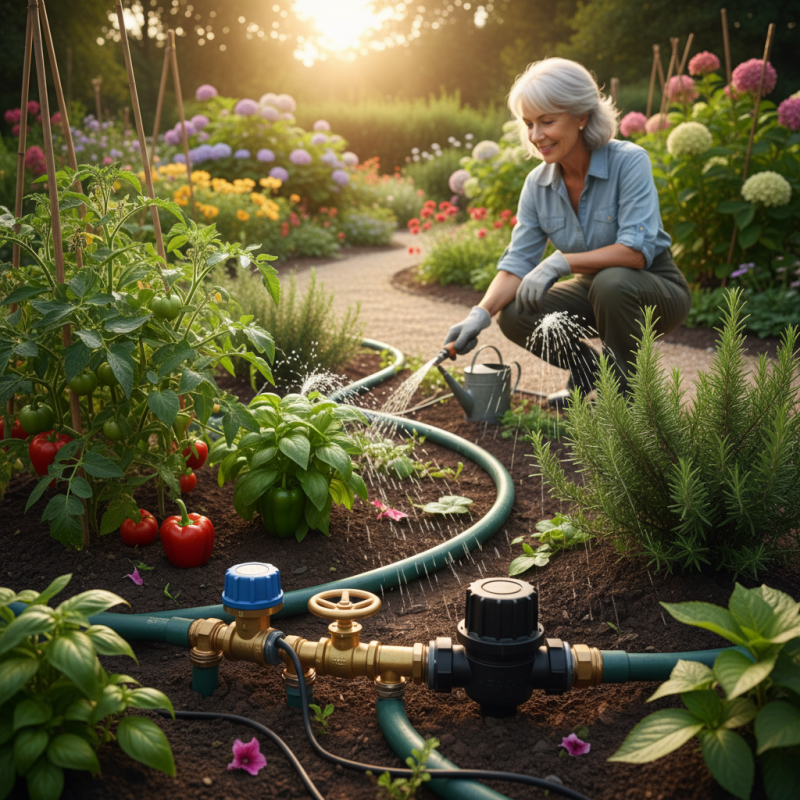
Irrigation valves play a crucial role in any garden's watering system. They control the flow of water, ensuring that plants receive the right amount of moisture. Properly functioning valves also prevent wastage and overwatering, which can be detrimental to plant health. Understanding how these valves work can greatly enhance your gardening experience.
When selecting irrigation valves, consider their types. Manual valves require physical operation, while automatic valves can be programmed for convenience. Pressure-regulating valves maintain consistent water pressure, protecting your system from damage. Each type serves a purpose, so assess your garden’s unique needs.
Tips for choosing the right valve include checking compatibility with your irrigation system. You want consistency and reliability in function. Think about the environmental conditions, too. Harsh weather can affect valve performance. Regular maintenance is essential; valves can break or clog. Keep an eye on them to ensure they are functioning correctly. Stay informed about new technologies and methods, but remember that simplicity often works best.
Top Irrigation Valve Types for Your Garden Needs
This bar chart illustrates the percentage of gardeners using different types of irrigation valves, highlighting the popularity and importance of each type for effective garden irrigation.
Different Types of Irrigation Valves: An Overview
Irrigation valves play a vital role in managing water flow in gardens. Different types are designed for various applications, and understanding them can enhance your gardening experience.
One common type is the globe valve. It allows precise control over water flow. However, it may reduce water pressure slightly, which can be a disadvantage in larger setups. Another type, the gate valve, is reliable for on-off control. Yet, it is not as effective for throttling flow, sometimes leading to inefficient watering.
Automatic valves are popular for automated systems. They save time and effort but may fail if not maintained correctly. Solenoid valves are efficient in creating a seamless experience. However, their reliance on electricity can be problematic during outages. Each valve type has its strengths and weaknesses, making it essential to choose wisely based on your garden's unique needs.
Top Irrigation Valve Types for Your Garden Needs
| Valve Type |
Description |
Ideal Use |
Advantages |
Disadvantages |
| Gate Valve |
Controls flow by lifting a gate. |
Main water lines and large garden areas. |
Simple design, low resistance. |
Slow opening and closing. |
| Ball Valve |
Uses a spherical disc to control flow. |
Quick shut-off and control. |
Easy to operate, durable. |
Requires full rotation to open/close. |
| Solenoid Valve |
Electrically controlled valve. |
Automatic irrigation systems. |
Allows for automation and timing. |
Depends on electricity and will fail during power outages. |
| Check Valve |
Prevents backflow of water. |
Pipes with potential for backflow. |
Protects the system from contamination. |
Can clog with debris. |
| Pressure Relief Valve |
Regulates pressure in the irrigation system. |
High-pressure systems. |
Maintains safe working pressure. |
Can be prone to corrosion. |
How to Choose the Right Valve for Your Garden Needs
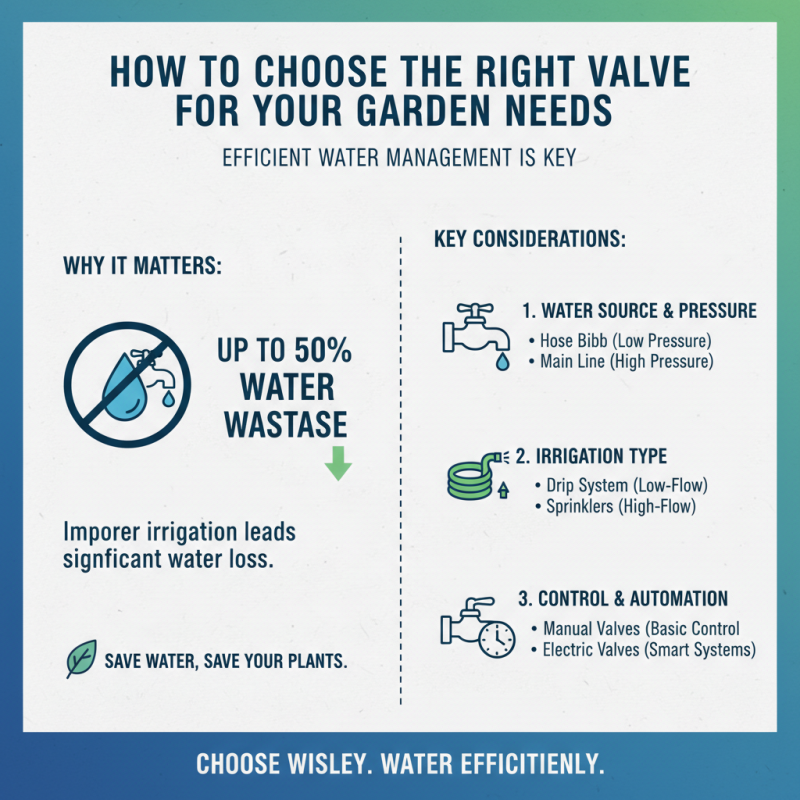
Choosing the right irrigation valve for your garden is essential for efficient water management. A recent report indicated that improper irrigation practices can lead to water wastage of up to 50%. This statistic underscores the importance of selecting suitable valves based on your specific needs.
When assessing valve options, consider flow rate, pressure requirements, and application type. For example, drip irrigation systems often use flow control valves to maintain a steady output. In contrast, sprinklers may require solenoid valves for automated operation. According to industry standards, a reliable valve should have a durability rating of at least ten years. However, many gardeners overlook maintenance, leading to decreased efficiency over time.
Compatibility with existing systems is crucial. Some valves can be difficult to install, resulting in leaks or failure. It's important to evaluate the materials used in the valve construction. Plastic valves may offer lightweight advantages but can crack under pressure. Metal valves, while sturdy, can corrode over time. The ideal choice requires balancing durability with ease of installation. Testing various options will often lead to valuable insights.
Installation Tips for Irrigation Valves
When installing irrigation valves, proper placement is crucial. Start by identifying the area where water is most needed. Valves should be positioned close to the water source. This minimizes pressure loss and ensures efficient operation. Mark the designated spots carefully. Digging precise holes can save time and effort during installation.
Connecting the valves can be tricky. Make sure you use appropriate fittings and sealants. A small leak can lead to larger problems down the line. Double-check your connections before moving on to the next step. It’s also a good practice to test each valve individually after installation. You may find that some valves need adjustments for optimal performance.
Don’t underestimate the importance of regular maintenance. Over time, valves can become clogged or damaged. Set a schedule to inspect and clean them. Even minor issues can lead to significant inefficiencies. Reflect on your installation process. Did everything go as planned? Consider noting any challenges you faced. This can guide future improvements and enhance your overall gardening experience.
Maintenance Practices for Longevity of Irrigation Valves
Maintaining irrigation valves is crucial for a thriving garden. Neglect can lead to leaks and performance issues. Regular inspections are key. Check for any signs of wear or corrosion. Leaks often signal that the valve needs replacing or repairing.
Tips: Clean the valve regularly. Dirt and debris can hinder performance. Use a soft brush to remove build-up. Keep an eye on the seals; they can wear over time.
Another practice is to adjust the system pressure. High pressure can damage the valves, reducing their lifespan. It's beneficial to use a pressure gauge.
Tips: Document any maintenance activities. This practice helps track valve health. Create a schedule for routine checks. Regular attention can prevent unexpected failures. A proactive approach saves time and money.