2026 How to Choose the Best Irrigation Rotor Heads?
Choosing the right Irrigation Rotor Heads is crucial for effective water management. With the growing need for efficient irrigation systems, understanding the features of rotor heads becomes essential. They play a key role in distributing water evenly over a large area, promoting healthy plant growth.
When selecting Irrigation Rotor Heads, consider factors such as coverage area, water pressure, and durability. Each aspect influences the efficiency of your irrigation system. For example, a rotor head with a wider spray pattern can cover more ground but may require more water pressure. Finding the right balance often involves trial and error.
Investing time in research can lead to better results. However, many users overlook the specific needs of their landscape. This oversight can lead to inefficient watering and wasted resources. Reflecting on past experiences can guide your decision-making process. Ultimately, the goal is to choose Irrigation Rotor Heads that suit your unique situation, maximizing both efficiency and sustainability.
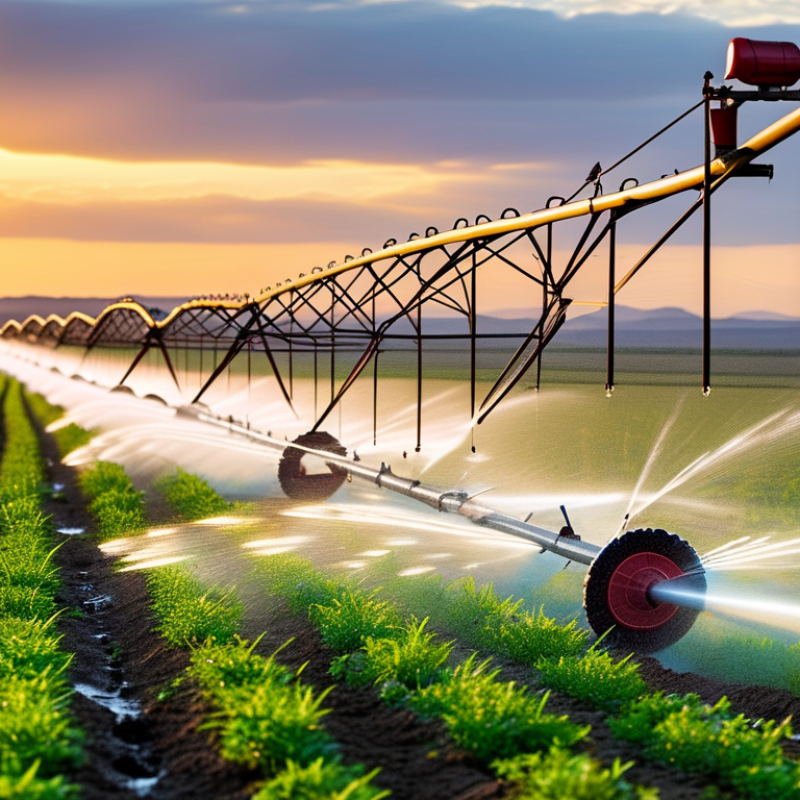
Factors to Consider When Choosing Irrigation Rotor Heads
Choosing the right irrigation rotor heads is crucial for effective watering. Several factors influence your decision. Consider your landscape size and type. Different rotor heads operate well with various garden shapes and sizes. Adjust the radius of coverage according to your needs.
Water distribution uniformity is another critical factor. Uneven watering can lead to dry spots or over-saturation. Check the nozzle sizes available. Larger nozzles allow for wider coverage, while smaller ones provide precision. Match the nozzle with your landscape's requirements for best results.
Tip: Always assess your water pressure. This aspect affects rotor performance. Proper water pressure ensures even and effective irrigation.
Soil type plays a role too. Sandy soils drain quickly; clay soils hold water well. Your choice of rotor head should consider how quickly your soil retains water.
Tip: Regular maintenance is vital. Clean the nozzles to prevent clogs. A well-maintained system extends the lifespan of your rotor heads.
Be open to adjustments. Sometimes, you may need to test different heads before settling on the best option. Over time, you can refine your choices based on results and observations.
2026 How to Choose the Best Irrigation Rotor Heads? - Factors to Consider When Choosing Irrigation Rotor Heads
| Factor |
Details |
Importance |
Recommendation |
| Water Pressure |
Evaluate the pressure available at the site. |
High |
Choose rotors that operate efficiently at your pressure level. |
| Coverage Area |
Determine the area that needs irrigation. |
High |
Select rotors with the appropriate radius coverage. |
| Soil Type |
Identify your soil type (sandy, clay, loam, etc.). |
Medium |
Choose rotors that suit your soil's absorption rate. |
| Wind Conditions |
Assess the typical wind speeds in your area. |
Medium |
Consider rotors with adjustable spray patterns for windy conditions. |
| Water Quality |
Test for sediment or salinity levels. |
High |
Opt for rotors that can handle your water quality concerns. |
| Budget |
Evaluate your overall expenditure allowance. |
High |
Look for the best value rather than just the cheapest option. |
Understanding Different Types of Irrigation Rotor Heads on the Market
When choosing irrigation rotor heads, it’s essential to understand the different types available. Each type serves a unique purpose and performs differently based on the irrigation needs of your landscape. Fixed rotor heads are popular for their simplicity. They distribute water in a specific pattern and are best suited for small to medium-sized areas.
On the other hand, adjustable rotor heads allow for customizable spray patterns. This flexibility makes them ideal for larger or irregularly shaped lawns. A particular type, the gear-driven rotor, ensures even water distribution over extended distances. However, they can be more complex and require careful installation. Many users may encounter challenges during setup, leading to uneven watering.
It’s also important to consider the water pressure in your area. Some rotor heads perform best at higher pressures. Low-pressure situations can lead to inadequate coverage. Regular maintenance is required as well. Cleaning the nozzles can prevent clogging, which is a common oversight. Choosing the right irrigation rotor head involves evaluating these factors meticulously. Each decision can significantly impact your landscape's health.
Evaluating Performance Metrics: Spray Radius and Distribution Uniformity
Choosing the right irrigation rotor heads can significantly impact your landscape's health. One critical factor is the spray radius. It determines how far water is distributed from the rotor. A wide radius may seem ideal, but it can lead to oversaturation in certain areas. Conversely, too narrow a radius might leave dry spots. Understanding your landscape size is essential for this choice.
Another vital aspect is distribution uniformity. This metric measures how evenly water covers the area. High uniformity means each plant receives similar amounts of water, promoting growth. Poor uniformity can lead to some plants thriving while others struggle. Evaluating local soil types and plant requirements is crucial.
Before finalizing your choice, consider testing various rotor heads on a small scale. Observe the performance in different conditions. Reflect on issues that arise, such as uneven growth or dry patches. This hands-on approach will help refine your selections for optimal irrigation efficiency.
Assessing Durability and Material Quality in Rotor Head Selection
When selecting irrigation rotor heads, assessing durability and material quality is crucial. Many rotor heads are made from plastic or metal, each having its strengths and weaknesses. Plastic can be lightweight and cost-effective but may not withstand harsh conditions. Metal options often offer greater strength but can be more expensive and heavier.
Consider the environment in which the rotor heads will operate. Corrosive soils or extreme temperatures can shorten the lifespan of cheaper materials. Pay attention to warranty periods offered, as they often reflect the manufacturer's confidence in durability. Reliable performance is essential when watering crops or lawns. A rotor head that breaks down frequently can lead to costly downtime.
It is important to reflect on your specific needs. Sometimes, spending more upfront can save money in the long run. A well-constructed rotor head may last several seasons without replacement. Look for features that enhance resilience, like UV protection or sturdy construction. Balancing cost with durability will yield better results for your irrigation system.
Comparative Cost Analysis of Leading Irrigation Rotor Head Brands
When selecting irrigation rotor heads, cost is a significant factor. Many brands offer various models, but prices can vary widely. An analysis of leading brands reveals different positioning in terms of affordability and features. Some models are budget-friendly but might lack advanced functionalities that professional users require. Knowing your budget helps narrow down options efficiently.
Quality often correlates with price. While some expensive rotor heads boast durability and efficient water usage, cheaper models may need more frequent replacements. The long-term cost of ownership should be considered. A less expensive choice could end up being costly if it fails early. It's essential to evaluate both initial costs and potential future expenses.
Additionally, reviews and feedback from users can offer insightful data. However, not all reviews are reliable; some may lack context. Analyze different sources of information to gauge product performance accurately. Ultimately, informed choices lead to better irrigation management, balancing cost with effectiveness. Being aware of your specific needs will help refine your options further.