Top Irrigation Parts for Efficient Farming Solutions?
Efficient farming demands the right resources. At the heart of modern agriculture are essential irrigation parts. They play a vital role in optimizing water usage and enhancing crop yield. Farmers face diverse challenges in finding the best irrigation solutions. Proper irrigation parts not only save water but also increase productivity.
For instance, drip systems deliver water directly to plant roots. This method minimizes waste and fosters healthier crops. On the other hand, sprinkler systems can cover large areas quickly. However, choosing the wrong parts may lead to inefficiencies and unexpected costs. Each component must be reliable and compatible with the entire system. Understanding these factors is crucial for maximizing efficiency.
Investing in quality irrigation parts shows a commitment to sustainable practices. With constant advancements in technology, farmers have more options than ever. Yet, the decision-making process can be overwhelming. Ensuring the right fit for specific needs is vital for achieving successful outcomes in farming.
Top Irrigation Parts for Efficient Farming Solutions: An Overview
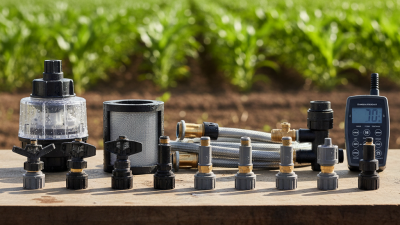
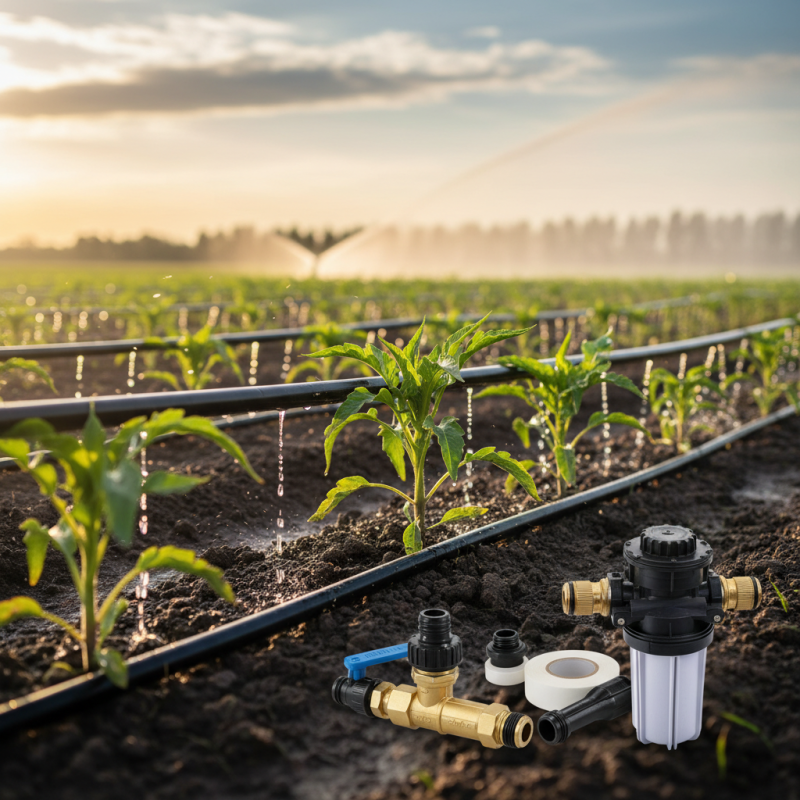
Efficient farming relies heavily on the right irrigation parts. Understanding key components can significantly improve crop yield and water conservation. Essential parts include drip lines, valves, and emitters. Each plays a crucial role in the irrigation system's functionality. Drip lines deliver water directly to the root zone, reducing evaporation. Valves help control the water flow and timing, ensuring that crops receive adequate moisture.
Tips for efficiency: Regularly inspect your systems for leaks. Even small leaks can lead to water wastage. Observe how different crops respond to varying irrigation levels. This helps in adjusting your system according to specific needs.
Don't overlook the importance of maintenance. Clean filters and check for clogs to ensure consistent water flow. Ignoring these details can have significant repercussions on your harvest. Make adjustments as needed to adapt to changing weather patterns. Staying proactive is key in effective irrigation management.
Understanding the Importance of Efficient Irrigation in Agriculture
Efficient irrigation plays a critical role in modern agriculture, directly linking water management to crop yield. According to the Food and Agriculture Organization (FAO), irrigation can increase crop production by 50% compared to rain-fed systems. This statistic underscores the necessity for effective water-use strategies. Farmers must adopt advanced irrigation components to alleviate water waste and enhance productivity.
Inadequate irrigation can lead to significant issues. Over 20% of irrigated crops suffer from either under or overwatering. The Soil Science Society of America emphasizes the importance of tailored irrigation systems. These systems should consider soil type, crop requirements, and local climate data. Integrating soil moisture sensors can optimize water application, promoting healthier crops while conserving resources.
While technology has advanced, challenges remain. Many farmers still rely on outdated methods. A USDA report indicates that approximately 30% of farmers have not updated their irrigation systems in over a decade. This gap in modernization can hinder efficiency. Transitioning to modern irrigation solutions can significantly impact water conservation and crop yield.
Key Components of Modern Irrigation Systems
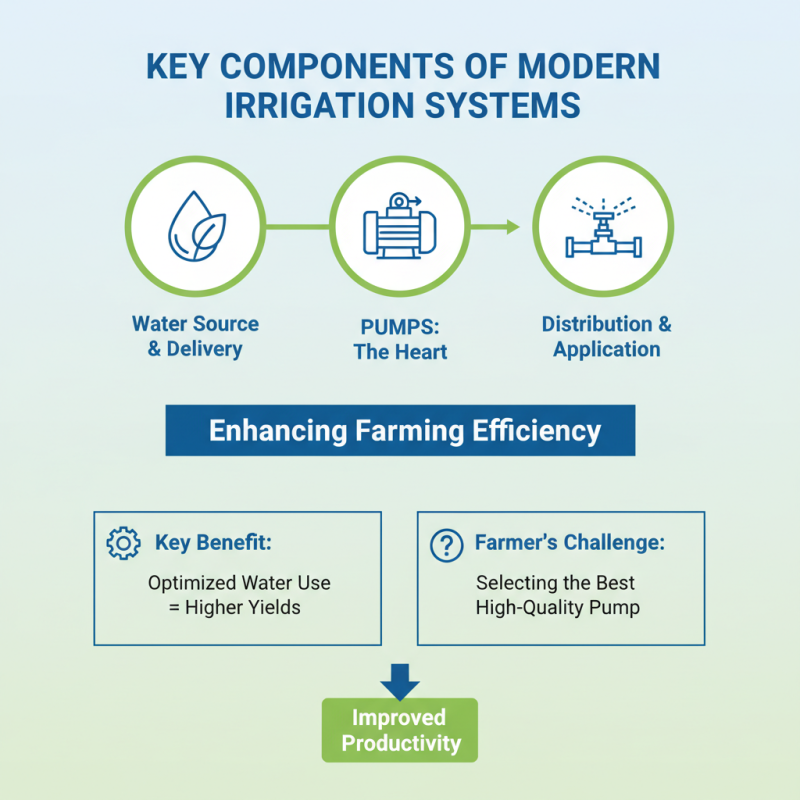
Modern irrigation systems comprise several essential components that enhance farming efficiency. These components work in harmony to ensure crops receive the right amount of water. For instance, pumps play a crucial role in moving water from its source to fields. Farmers often struggle to select the best pump for their specific needs. Choosing a high-quality pump can significantly impact overall productivity.
Another vital element is the irrigation controller. This device regulates water distribution based on weather conditions and soil moisture. However, some farmers overlook its importance. Without proper scheduling, irrigation can be inefficient and wasteful. An irrigation controller helps prevent overwatering and promotes healthier crops.
Lastly, efficient tubing and emitters are necessary for delivering water directly to plants. Drip irrigation systems utilize these components for targeted delivery. Many farmers face challenges in maintaining these systems. Regular checks can help prevent clogs and leaks, ensuring optimal performance. Recognizing the interdependence of these parts is key to effective farming solutions.
Comparative Analysis of Drip vs. Sprinkler Irrigation Efficiency
When comparing drip and sprinkler irrigation, efficiency is crucial for effective farming.
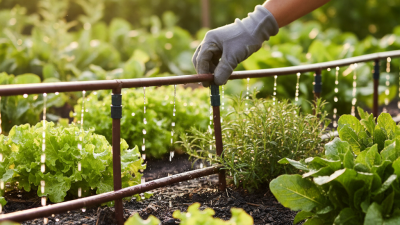
Drip irrigation delivers water directly to the plant roots. This method reduces water wastage and ensures that plants receive adequate moisture. It's particularly beneficial for crops that require precise watering.
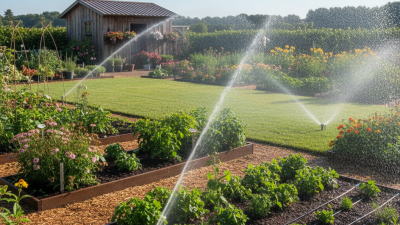
On the other hand, sprinkler systems cover larger areas and are suitable for various plants. They mimic rainfall, dispersing water evenly. However, they may lead to evaporation losses, especially in hot weather.
Tips: Choose the right system based on your crop type. Drip irrigation works best for vegetables, while sprinklers are ideal for lawns.
Farmers may notice that the initial costs for drip systems can be higher than for sprinklers. However, the long-term savings on water bills and improved crop yields often justify this investment.
Additionally, maintenance requires attention. Drip lines can clog, whereas sprinkler heads can need regular cleaning.
Tips: Regular inspections can prevent costly breakdowns. Keep a maintenance schedule to ensure maximum efficiency.
Innovative Technologies Driving Sustainable Irrigation Solutions
Innovative technologies are reshaping the world of irrigation.
Farmers increasingly adopt smart systems that optimize water usage. These systems rely on
sensors, data analytics, and real-time monitoring.
This allows for precise irrigation, reducing water waste significantly.
Drones are emerging as a game-changer in the field. They provide aerial assessments, helping farmers identify areas needing attention.
Such insights lead to targeted irrigation strategies. However, the reliance on technology raises concerns about
training and costs. Not everyone can afford advanced tools or the knowledge to use them effectively.
Soil moisture sensors are another vital innovation. They provide data on soil conditions, guiding irrigation decisions.
Farmers can react to changes, ensuring crops receive the right amount of water. Yet,
over-reliance on these
devices can be problematic. Technology can fail, leaving farmers without crucial information. Balancing tech use and
traditional farming knowledge is key to sustainable practices.