Why Choose the Right Sprinkler Irrigation Parts for Your Farm?
Choosing the right Sprinkler Irrigation Parts is essential for modern agriculture. A report by the Irrigation Association states that efficient irrigation can enhance crop yields by up to 30%. This data underscores the importance of selecting high-quality components. According to Dr. Jane Thompson, an expert in agricultural irrigation, "The right parts can make the difference between a flourishing farm and a struggling one."
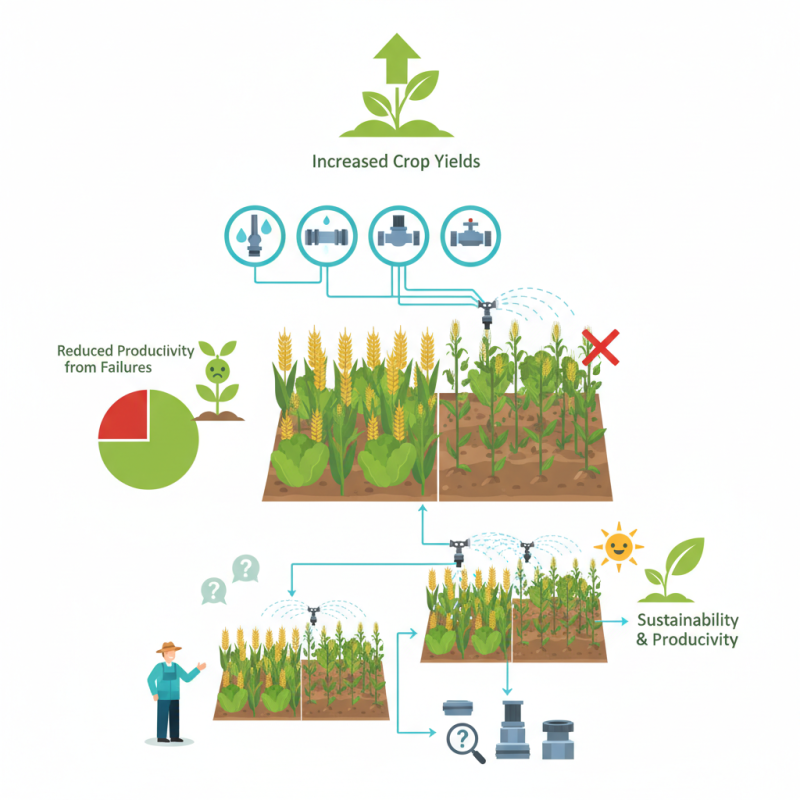
Farmers often overlook the significance of appropriate sprinkler systems. Many invest in technology but neglect the parts that drive efficiency. Subpar or mismatched components can lead to water wastage and inadequate coverage. A 2022 survey revealed that nearly 25% of farms experienced reduced productivity due to irrigation failures. These failures could have been avoided with better decision-making around Sprinkler Irrigation Parts.
The right selection is not always clear-cut. Choices can be overwhelming amid various options. Additionally, price pressures can lead to compromises. However, investing time in assessing needs and understanding the landscape will always pay off. In the end, the right components bolster both productivity and sustainability. The potential benefits are too significant to ignore.
Understanding the Importance of Sprinkler Irrigation Parts
The right sprinkler irrigation parts can significantly impact farm productivity. Studies show that proper irrigation systems enhance crop yield by up to 30%. Efficient watering is vital, especially in areas with unpredictable rainfall. Each component, from valves to nozzles, plays a crucial role in ensuring water efficiency and crop health.
Choosing reliable parts reduces downtime and maintenance costs. A report from the Irrigation Association indicates that farms using high-quality components experience 20% fewer system failures. Neglecting quality can lead to leaks, uneven watering, and overall inefficiency. Farmers must consider aspects like material durability and design compatibility.
Understanding the importance of these parts helps in making informed decisions. Subpar components can hinder growth and lead to wasted resources. Invest time researching the correct specifications and industry standards. Seek expert advice when necessary. Regular evaluations of the irrigation system ensure it meets the evolving needs of the farm. Making the right choice today can lead to sustainable practices for the future.
Essential Components of Sprinkler Irrigation Systems
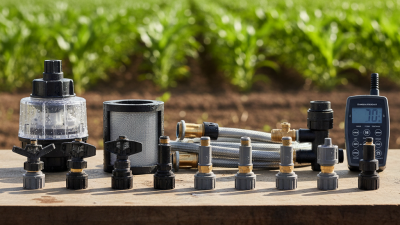
Sprinkler irrigation systems rely on key components for efficiency. These parts work together to deliver water effectively. A quality pump is crucial. It generates the pressure needed to distribute water across the farm. When selecting a pump, consider the size of your land and the water requirements of your crops.
Another essential component is the pipeline. It transports water from the source to the fields. Choosing the right materials for the pipeline can affect durability. PVC, polyethylene, and metal are popular choices. However, each material has its pros and cons. A farmer should reflect on local conditions before making a decision.
Lastly, the sprinkler heads themselves play a vital role. They should match the type of crop and watering needs. There are various designs available, each suited for different scenarios. A mismatch can lead to overwatering or underwatering, which could harm crops. It's important to evaluate the specific needs of your farm. Each decision impacts the overall efficiency of your irrigation system.
Factors to Consider When Selecting Sprinkler Irrigation Parts
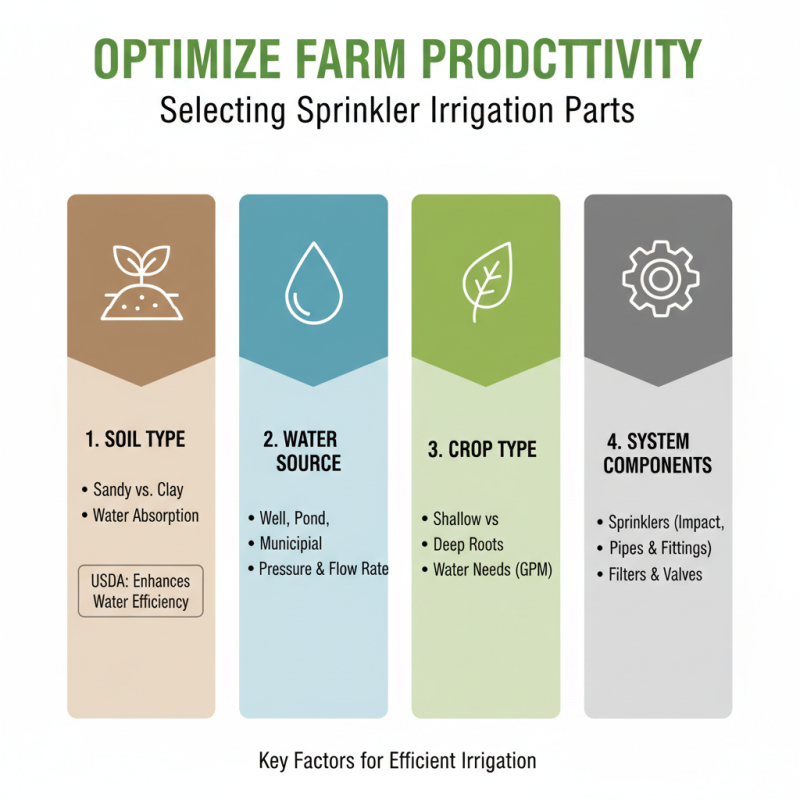
Choosing the right sprinkler irrigation parts is vital for optimizing farm productivity. Several factors must be considered during the selection process. First, it’s important to analyze your soil type. Sandy soils require different irrigation systems compared to clay soils. According to the USDA, understanding soil properties enhances efficient water usage and crop yield.
Climate is another critical factor. Regions with high evaporation rates may need more advanced systems. Sprinkler types vary significantly in efficiency. For example, systems with low application rates are better suited for delicate crops. A 2021 report by the Irrigation Association indicated that proper equipment choices could increase water efficiency by up to 30%.
Tip: Always assess your water source. Different sources can affect the required parts. For instance, well water might have a different filtration need than surface water.
Maintenance is crucial but often overlooked. Regular inspections prevent equipment failure. Farmers should document any issues or inefficiencies. This record helps in making informed upgrades or replacements in the future. Deferring maintenance can lead to higher operational costs and water wastage.
Consider flexibility in part selection. As your farm evolves, your irrigation needs may change. Choosing versatile components ensures you can adapt without overhauling your entire system. Balancing these factors will lead to better water management and increased crop yield over time.
The Impact of Quality Parts on Farm Productivity
Choosing the right sprinkler irrigation parts is crucial for farm productivity. Quality components can significantly affect water efficiency, crop yield, and overall operational costs. According to research from the Irrigation Association, proper irrigation can improve crop yield by 20-50%. This is an impressive statistic, but it often hinges on the quality of the parts used.
One common issue is the neglect of maintenance. Farmers frequently overlook aging parts, leading to leaks and uneven water distribution. Data indicates that a 10% increase in water application efficiency can raise profits substantially—by around 15%. However, many farms miss out on this potential due to poor quality or outdated equipment.
Using high-quality sprinkler components can lead to a more uniform application of water. A recent survey showed that 73% of farmers reported improved crop health after upgrading their irrigation systems. This suggests that investing in reliable parts not only boosts productivity but also enhances long-term farm sustainability. Yet, many farmers are hesitant to invest upfront. This reluctance can stem from cost concerns or a lack of knowledge about the long-term benefits. A deeper understanding of irrigation technology can help bridge this gap.
Cost-Benefit Analysis of Investing in the Right Irrigation Components
Investing in the right irrigation components can significantly affect your farm's productivity. When you choose efficient sprinkler parts, the initial costs may seem high. However, these expenses can lead to long-term savings. Quality components reduce water waste and enable better crop yields. You may find that the right setup pays off within a season or two.
Consider the durability of the equipment. Inferior parts often require frequent replacements, leading to increased costs over time. Choosing reliable components ensures consistent performance and minimizes downtime. This reliability can also translate to healthier crops and higher market value. Assessing the cost-benefit ratio is essential before making a purchase.
Not all farms have the same needs. Factors such as crop type, soil quality, and climate play significant roles in irrigation efficiency. A cookie-cutter approach may not yield the best results for your specific situation. Reflect on your unique requirements and consult experts when necessary. Tailoring your irrigation system could be the key to unlocking your farm's potential.
Why Choose the Right Sprinkler Irrigation Parts for Your Farm? - Cost-Benefit Analysis of Investing in the Right Irrigation Components
| Component |
Initial Cost (USD) |
Lifespan (Years) |
Annual Maintenance Cost (USD) |
Water Savings (%) |
Overall Yield Improvement (%) |
Return on Investment (ROI) |
| Drip Irrigation System |
1,500 |
15 |
200 |
30 |
20 |
12% |
| Center Pivot System |
25,000 |
20 |
1,500 |
25 |
15 |
10% |
| Surface Irrigation System |
3,000 |
10 |
300 |
10 |
5 |
8% |
| Micro-Irrigation System |
2,000 |
12 |
150 |
40 |
25 |
15% |