Choosing the right Sprinkler Irrigation Parts is not simply a matter of buying nozzles, pipes, and connectors. A reliable system must match soil type, crop needs, water pressure, field shape, and local climate. A sandy plot may require short, frequent applications, while heavy clay can suffer from runoff after only a few minutes.
The stakes are practical. FAO AQUASTAT reports that agriculture accounts for roughly 70% of global freshwater withdrawals. That figure makes equipment selection more than a purchasing decision. It becomes a resource-management decision. The U.S. Environmental Protection Agency also notes that outdoor water use can represent a significant share of household consumption, with irrigation losses caused by evaporation, wind, and runoff. Small design errors become expensive over an entire growing season.
This guide connects field experience with established irrigation principles. It examines sprinkler heads, filters, pressure regulators, valves, risers, pipes, and control components. Each part affects distribution uniformity. Each choice has consequences. The Irrigation Association’s best-management guidance emphasizes proper scheduling, maintenance, and system testing, while USDA Natural Resources Conservation Service standards provide engineering references for efficient irrigation design. Still, no catalog can replace a pressure test at the water source or a walk across the actual field. Real conditions are often untidy. Pumps age, water quality changes, and manufacturers may list ideal performance values that rarely appear on site.
Expect practical comparisons, not a universal shopping list. The best Sprinkler Irrigation Parts are those that deliver the required application rate evenly, withstand local conditions, and remain serviceable when a filter clogs or a nozzle wears. That is where careful selection begins.
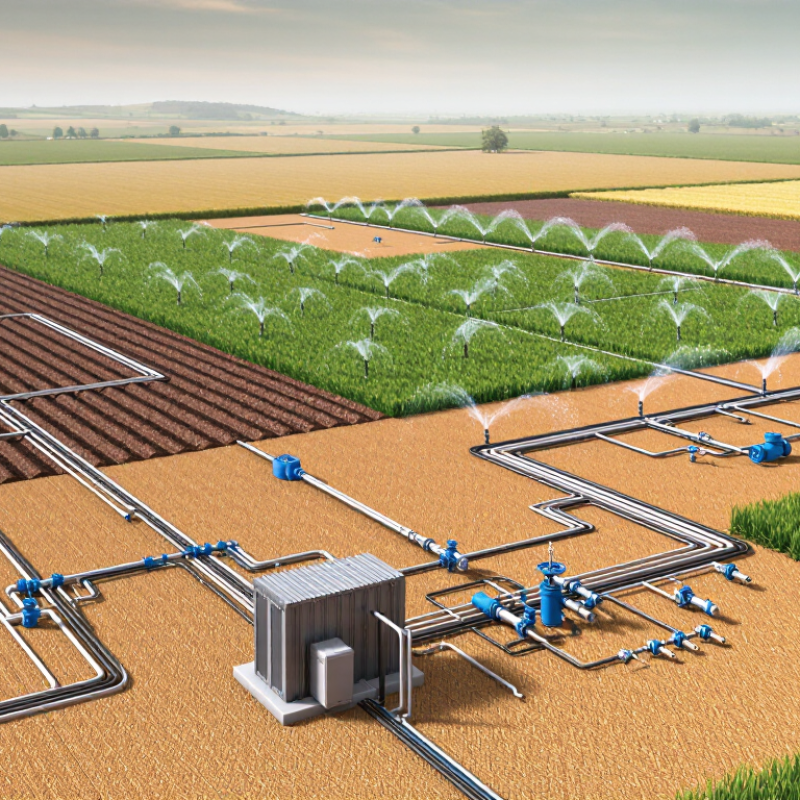
Start by measuring the irrigation area, not by buying parts. Record its length, width, slope, soil type, and shaded sections. A narrow lawn may need adjustable spray heads. A large, windy area often works better with low-angle rotors. Measure water pressure and flow at the source. These figures determine how many sprinklers can operate together. If the pressure drops when several outlets run, divide the system into zones. Simple calculations prevent uneven watering.
Your water source also affects every component. Well water may contain sand, so a suitable filter protects valves and nozzles. Stored rainwater can carry fine debris and needs regular inspection. Check the pipe size, connection type, and available pressure before choosing fittings.
I once planned around the pump’s advertised flow, then discovered the long supply line reduced actual performance. The lesson was uncomfortable but useful: test the water at the installation point.
Match the sprinkler pattern to the plants. Flower beds usually need gentle, localized watering, while turf needs broader coverage. Deep-rooted shrubs require slower, longer applications than shallow-rooted seedlings. Avoid spraying paths, walls, and leaves when possible. Wet foliage can encourage disease in some plants.
Wind matters too. Test the system during normal watering hours and watch for dry strips or runoff.
I would rather adjust a nozzle twice than trust a perfect-looking plan on paper. Seasonal changes may require different schedules, pressure checks, or replacement parts.
How to Choose Sprinkler Irrigation Parts for Your Needs?
Choose sprinkler types by coverage, pressure, and application—not by appearance. A full-circle impact sprinkler suits open fields, while a fixed spray head fits smaller beds. Match the nozzle’s flow rate with your pipe capacity. Excessive flow causes weak coverage at distant heads. FAO’s AQUASTAT data indicates agriculture uses about 70% of global freshwater withdrawals. Small design errors can therefore waste meaningful volumes.
Pressure changes performance. The USDA NRCS Irrigation Guide commonly places well-designed sprinkler application efficiency near 70–85%, depending on wind, layout, and equipment. Low-pressure systems may reduce energy demand, but they can produce uneven patterns on sloped ground. Measure pressure at the operating point, not only at the pump. That detail is often missed. Wind above roughly 10–15 km/h can distort spray distribution, according to irrigation design guidance, so scheduling matters.
Tips: Place catch cans across the wetted area and compare collected depths. Replace or adjust nozzles with visibly different outputs. Use matched precipitation rates across each zone. EPA WaterSense research reports that properly managed irrigation can reduce outdoor water use by up to 50% in some landscapes. Still, every site behaves differently. Soil texture, crop height, and blocked filters deserve a second check. Perfect uniformity is rare.
| Sprinkler Type | Typical Coverage | Recommended Operating Pressure | Typical Flow Rate | Best Applications | Key Selection Considerations |
|---|---|---|---|---|---|
| Fixed Spray Head | Radius: 2–5 m Area: approximately 12–80 m² |
2.0–3.5 bar | 4–15 L/min | Small lawns, narrow planting beds, residential landscapes, and areas with simple geometric layouts. | Choose a quarter-, half-, or full-circle pattern to match the edge of the area. Use pressure regulation where excessive pressure causes misting. |
| Rotary Spray Nozzle | Radius: 4–8 m Area: approximately 50–200 m² |
2.5–4.0 bar | 2–8 L/min | Small to medium lawns, sloped areas, and sites where lower precipitation helps reduce runoff. | Usually uses less flow than conventional spray heads and applies water more slowly. Match nozzles within the same zone for uniform precipitation. |
| Gear-Drive Rotor | Radius: 7–15 m Area: approximately 150–700 m² |
3.0–5.5 bar | 10–35 L/min | Large lawns, sports fields, parks, and open landscapes requiring long-radius coverage. | Requires adequate pressure and flow. Select adjustable arc models for irregular boundaries and avoid placing rotors too close to obstructions. |
| Impact Sprinkler | Radius: 8–20 m Area: approximately 200–1,250 m² |
2.5–5.0 bar | 15–60 L/min | Agricultural plots, nurseries, large turf areas, and applications where robust mechanical construction is useful. | Provides a strong stream and can tolerate some outdoor exposure. Check wind conditions because larger water droplets may be displaced in high winds. |
| Bubbler | Localized area: approximately 0.3–1.5 m radius | 1.0–2.5 bar | 1–8 L/min | Individual trees, shrubs, planter boxes, and deep watering around root zones. | Use near the plant base rather than for turf. Add pressure regulation when connected to a mixed irrigation zone. |
| Dripline | Along row or bed length Typical emitter spacing: 30–45 cm |
0.7–2.5 bar at the line | 1.6–4.0 L/h per emitter | Vegetable beds, hedges, flower beds, orchards, and water-efficient landscape planting. | Requires filtration and pressure regulation. Select emitter spacing and flow according to soil type, plant spacing, and required watering depth. |
| Micro-Spray | Radius: 1–4 m Area: approximately 3–50 m² |
1.0–2.5 bar | 20–120 L/h | Greenhouses, nursery containers, flower beds, ground covers, and small planting zones. | Offers broader coverage than drip emitters but is more affected by evaporation and wind. Keep spray patterns away from paths and structures. |
| Low-Precipitation Rotary Rotor | Radius: 5–10 m Area: approximately 80–315 m² |
2.5–4.5 bar | 3–15 L/min | Residential lawns, compact commercial landscapes, and sites with limited water supply or low-flow valves. | Useful for improving application uniformity on small areas. Verify that the selected model maintains rotation at the available minimum pressure. |
| Pop-Up Spray Body with Matched Nozzle | Radius: 1.5–5.5 m Area: approximately 7–95 m² |
2.0–3.5 bar | 3–20 L/min | Lawns and planting areas where the sprinkler should remain below ground when not operating. | Select the body height for the surrounding vegetation and use matched-precipitation nozzles within each zone to reduce dry and wet spots. |
| Rectangular Oscillating Sprinkler | Typical area: 100–350 m² | 2.0–4.0 bar | 12–30 L/min | Temporary irrigation of rectangular lawns and gardens supplied by a portable hose. | Coverage depends strongly on water pressure and adjustment settings. It is convenient for seasonal use but usually less suitable for permanent automated zones. |
Note: Coverage, pressure, and flow values are typical planning ranges. Actual performance varies with nozzle design, pipe size, elevation change, filtration, water quality, and wind. Design each irrigation zone using the available flow and pressure at the sprinkler inlet.
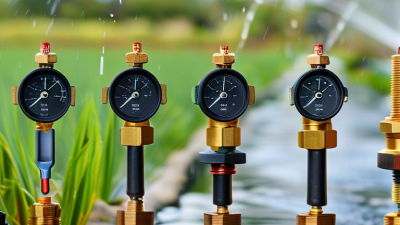
Choosing sprinkler irrigation parts starts with the water source, not the catalog. Measure static pressure, flow rate, and the distance to the farthest zone. A pressure gauge near the outlet can reveal problems a visual inspection misses. Use pipes sized for expected flow, because narrow lines create pressure loss and uneven spray. Durable polyethylene suits many buried layouts, while rigid pipe provides stable connections near manifolds. I have seen lawns with excellent sprinklers perform poorly because the main pipe was undersized. That mistake is expensive to bury twice.
Valves should match zone flow and operating pressure. Electric valves need compatible control wiring and accessible boxes. Add a filter when water contains sand, algae, or small debris. Select mesh size carefully; an overly fine filter may clog quickly. Fittings should match pipe diameter and connection type, with clean cuts and firm seals. Avoid forcing mismatched threads. Leaks often begin as tiny wet spots around elbows.
Tips: Flush each line before installing nozzles. Test one zone at a time. Check pressure at the last sprinkler, not only at the source. Leave room to remove filters and service valves. A pressure test helps, but it cannot predict every seasonal change. Water demand, root growth, and sediment may alter system performance. Recheck the layout after a month. Something may still need adjusting.
Choosing sprinkler irrigation parts starts with compatibility, not appearance. I learned this after fitting a nozzle that matched the pipe size but not the system pressure. The spray reached the path, while dry soil remained near the roots. Check inlet threads, pipe diameter, pressure range, flow rate, and connection type before buying. A small pressure gauge helps reveal problems hidden inside the line. Measure twice. Replace less.
Durability depends on exposure and maintenance. Parts under direct sunlight need UV-resistant materials, while buried connectors need seals that tolerate soil movement. In my experience, a sturdy filter protects more than one expensive-looking nozzle. Flush the line before installation. Grit can damage tiny openings quickly. I once ignored this step, and uneven spray appeared within a week. That mistake was avoidable. Still, no part lasts forever; freezing weather, fertilizer residue, and careless tools can shorten its life.
Water-saving performance requires matching output to the planting area. Use low-flow emitters or adjustable sprinklers where beds are narrow, and avoid watering sidewalks. Select parts that distribute droplets evenly without producing fine mist, which wind can carry away. A timer with rain or soil-moisture feedback can reduce waste, but settings need seasonal adjustment. Watering at dawn usually limits evaporation. However, “water-saving” on the package is not proof. Observe wetting patterns, check runoff, and compare meter readings after several cycles. The design may look efficient, yet poor spacing can waste more water than expected.
Before buying sprinkler irrigation parts, map the planting areas, slopes, soil types, and available water pressure. Measure the flow rate with a timed container test. This simple check prevents oversized zones and weak spray patterns. Select pipes, valves, filters, pressure regulators, and sprinkler heads according to those measurements. I once planned equal zones for a mixed garden, but the slope made one area much drier. That mistake taught me to separate zones by water demand and elevation.
Install the mainline where it remains accessible for inspection and future repairs. Flush the pipes before attaching sprinkler heads. Then test each zone separately, checking coverage, leaks, pressure, and runoff. Place small collection cups across the lawn to compare water depth. Uneven results often reveal blocked nozzles or incorrect spacing. Do not trust appearance alone. A wet corner can hide a dry root zone.
Maintenance should include cleaning filters, checking valves, adjusting spray angles, and replacing damaged seals. Inspect the system after heavy rain, freezing weather, or construction work nearby. Leave capped connection points in practical locations for future beds. Keep a simple layout drawing with pipe routes and valve positions. My own record was incomplete, which made one repair unnecessarily slow. Review seasonal watering needs, because plants grow and shade patterns change. Future adjustments should be planned, not improvised.