Leave Your Message

Top 10 Sprinkler Irrigation Parts for Global Buyers?

Choosing the right Sprinkler Irration Parts can determine whether a field receives balanced coverage or wastes water at its edges. Global buyers must look beyond price. Nozzle size, thread standards, pressure range, filtration quality, and material durability all affect real performance.

Dr. Terry Howell, a respected irrigation engineer and researcher, once stated, “The goal of irrigation is not to apply water, but to apply it efficiently.” That principle remains practical today. A well-selected nozzle should produce uniform droplets, while a reliable pressure regulator protects downstream components. Filters need to match local water quality, especially where sand, algae, or mineral deposits can block narrow passages.

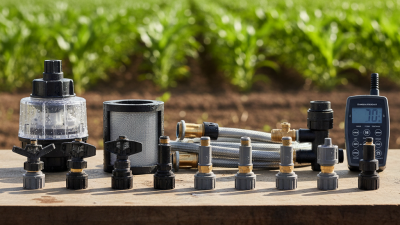
This guide examines ten essential Sprinkler Irrigation Parts for international purchasing decisions. The list includes nozzles, risers, valves, filters, pressure regulators, controllers, pumps, fittings, gauges, and quick couplers. Each part will be considered through field experience, technical suitability, maintenance needs, and supplier reliability.

Small details matter.

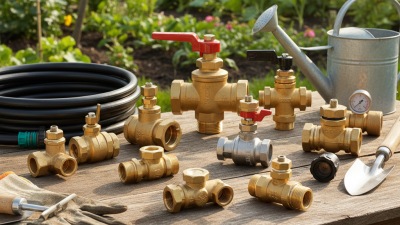
For example, a brass fitting may survive repeated connection better than a low-grade plastic alternative. However, plastic can reduce corrosion and shipping weight. There is no universal winner. Climate, water chemistry, crop type, labor skills, and replacement access must shape the decision.

Some buyers still choose components by catalog appearance. That approach can fail. A compact valve may look efficient but perform poorly under fluctuating pressure. Product descriptions can also hide important limits. Therefore, technical data should be checked against actual operating conditions, installation records, and credible manufacturer support. This article offers a practical starting point, while acknowledging that every irrigation system deserves site-specific verification.
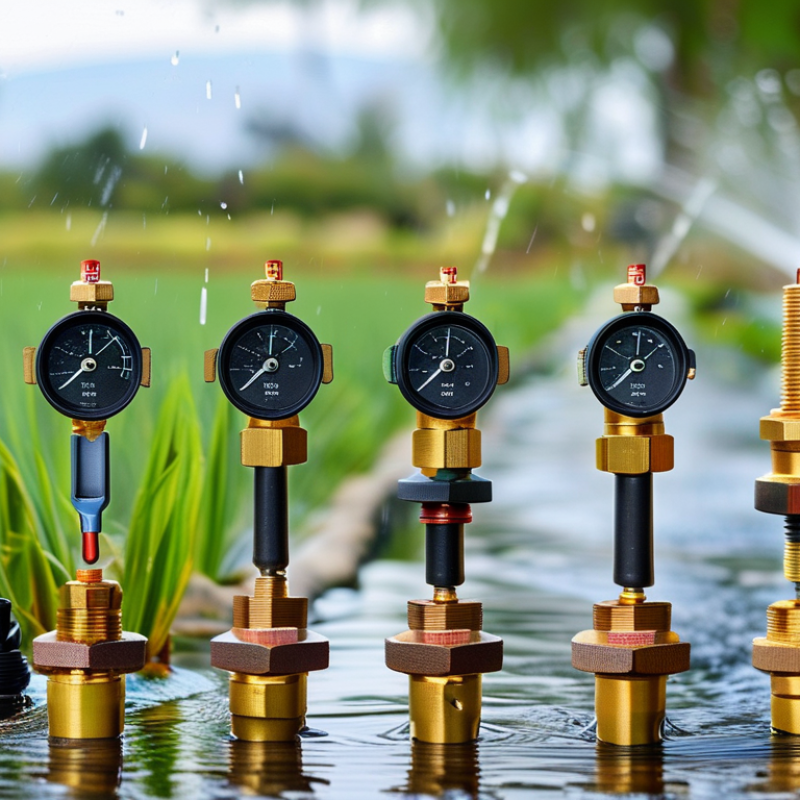
Top 10 Sprinkler Irrigation Parts for Global Buyers?

Sprinkler Irrigation Systems: Basic Structure and Operating Principles

Sprinkler Irrigation Systems: Basic Structure and Operating Principles

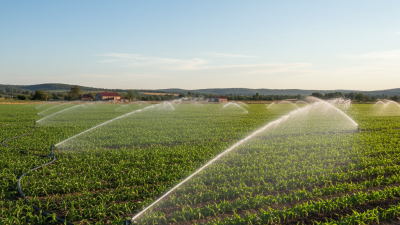
A sprinkler irrigation system begins at the water source, pump, and filtration unit. The pump creates pressure for controlled movement through the mainline. A filter removes sand and debris before they reach valves or nozzles. Pressure matters. Small particles can quickly distort spray patterns.

The mainline feeds submain pipes, valves, and lateral lines across separate irrigation zones. Each valve controls one zone according to crop type, soil, or planting density. Risers lift sprinkler heads above the ground. Inside each head, pressure pushes water through a nozzle and breaks it into droplets. Correct spacing creates overlapping coverage without excessive runoff. In field inspections, I check pressure at the pump and at the farthest sprinkler. A large difference often reveals undersized pipes, leakage, or clogged filters.

Uniform application depends on nozzle size, operating pressure, wind, and elevation changes. A pressure regulator can reduce sudden flow variations. Drain valves also help remove trapped water during maintenance. However, no layout is perfect. I have seen well-designed systems lose efficiency because operators ignored dirty filters or changed nozzles casually. That lesson is easy to miss. Buyers should compare material strength, connection standards, replacement access, and service instructions. A clear pressure gauge is more useful than a complicated control panel that nobody checks. Soil infiltration must guide runtime, because heavy watering can carry nutrients below the root zone.
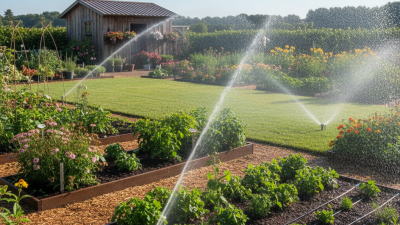
Top 10 Essential Sprinkler Irrigation Parts and Their Functions

Top 10 Essential Sprinkler Irrigation Parts and Their Functions

Reliable sprinkler irrigation begins with correctly matched components, not simply a powerful water source. A pump supplies pressure when municipal flow or storage tanks cannot meet demand. The mainline pipe carries water across the site, while control valves open separate irrigation zones. A filter removes sand, rust, and organic particles before they reach sensitive parts. A pressure regulator keeps water within the working range required by each zone. Excess pressure can create mist and uneven coverage.

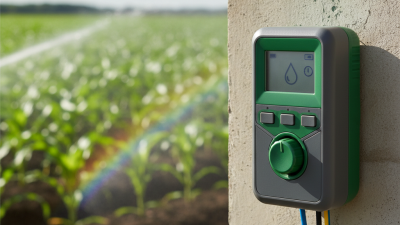
A backflow preventer protects the drinking-water supply from contaminated irrigation water. Local regulations often determine its required type and installation position. An irrigation controller activates valves according to programmed schedules, soil conditions, and seasonal needs. Manual adjustment remains useful during unusual heat or heavy rain. The riser lifts each sprinkler head above grass or planting beds, but weak risers may bend under equipment traffic. Sprinkler heads distribute water across the target area, using rotating or fixed spray patterns.

Nozzles control flow rate, radius, and spray shape. Choosing the wrong nozzle can leave dry corners or cause runoff on compacted soil. In field installations, I check pressure at the farthest head, not only near the pump. That detail is easy to miss. Pipe size, water quality, climate, and electrical standards also affect component selection for global buyers. A neat design can still fail when maintenance access is ignored. Keep it serviceable.

Material, Size, and Performance Standards for Global Buyers

Top 10 Sprinkler Irrigation Parts for Global Buyers

Material, size, and performance determine whether sprinkler systems survive real field conditions. The ten core parts include sprinkler heads, nozzles, risers, control valves, filters, pressure regulators, gauges, couplers, clamps, and end plugs. Engineering plastic keeps many housings light and corrosion-resistant. Brass and stainless steel suit higher mechanical loads, but they increase cost. EPDM seals often tolerate water, heat, and outdoor exposure better than basic rubber.

Size must match the whole network, not one fitting. Common inlet options include BSP and NPT threads, while pipe dimensions may follow DN or regional standards. Buyers should confirm thread type, wall thickness, nozzle diameter, and connection tolerance before ordering. A small mismatch can create leakage. It happens often. Filters need suitable mesh ratings for the nozzle opening, and regulators should maintain stable pressure across changing flow rates.

Performance testing should record flow rate, operating pressure, spray radius, and distribution uniformity. Standards such as ISO 7749 may help evaluate sprinkler equipment where applicable. Suppliers should provide material certificates, dimensional reports, pressure-test records, and traceable batch information. Field experience also matters: wind can distort an excellent laboratory pattern, while dirty water can defeat a good nozzle. I have found that catalog figures are useful, but incomplete. Testing under local water quality and climate conditions gives a more reliable purchasing decision.

Top 10 Sprinkler Irrigation Parts for Global Buyers — Material, Size, and Performance Standards

Typical specifications for agricultural and landscape sprinkler systems; actual operating limits depend on design, water quality, installation, and local regulations.

No. Irrigation Part Common Materials Typical Sizes Typical Pressure Range Key Performance Parameters Relevant Standards or References Typical Use
1 Impact Sprinkler Brass, stainless steel, engineering polymer, UV-resistant rubber seals Inlet: 1/2 in, 3/4 in, or 1 in; nozzle orifice commonly 2–8 mm 2.0–5.0 bar Approximate flow: 0.4–4.5 m³/h; coverage radius commonly 8–20 m; rotation should remain stable across the specified pressure range ISO 15886 series for agricultural irrigation sprinklers; ISO 9261 may apply to certain irrigation component materials and connections Field crops, pasture, orchards, dust control
2 Gear-Drive Rotor Sprinkler Acetal or other engineering polymer, stainless steel shaft, EPDM or equivalent seals Inlet: 3/4 in or 1 in; adjustable arc: commonly 40°–360° 2.0–7.0 bar Approximate flow: 0.3–4.0 m³/h; radius commonly 7–18 m; uniform rotation and controlled arc adjustment ISO 15886 series; local landscape irrigation specifications may also apply Sports fields, parks, residential and commercial landscapes
3 Spray Nozzle Acetal, polypropylene, or UV-stabilized engineering polymer Commonly 1/2 in female thread; discharge orifice approximately 1.5–5 mm 1.5–3.5 bar Approximate flow: 0.1–1.2 m³/h; spray radius commonly 2–6 m; matched precipitation is preferred for zone uniformity ISO 15886 series where applicable; nozzle dimensions should match the irrigation manufacturer’s installation specification Plant beds, narrow strips, small lawns
4 Pressure-Regulating Valve Glass-filled nylon, polypropylene, brass, stainless steel spring, EPDM diaphragm Threaded or socket connections: 3/4 in–2 in Inlet commonly up to 10 bar; regulated outlet commonly 1.5–4.0 bar Maintains a stable downstream pressure; sizing should limit pressure loss and preserve the required design flow ISO 7714 for irrigation valves; ISO 16138 may be relevant to pressure-regulating devices used in irrigation systems Sprinkler zones, drip zones, pressure-sensitive equipment
5 Solenoid Control Valve Glass-filled nylon or PVC body, stainless steel components, EPDM or NBR seals Threaded or flanged connections: 3/4 in–3 in Commonly 0.7–10 bar, depending on design Flow capacity commonly 0.5–30 m³/h; low electrical power consumption; reliable opening and closing under the minimum differential pressure ISO 7714 for irrigation valves; IEC 60529 may be used to specify enclosure protection for electrical parts Automatic irrigation zones and remote water control
6 Check Valve PVC-U, polypropylene, brass, stainless steel, EPDM or NBR sealing elements Threaded, socket, or flanged connections: 1/2 in–4 in Commonly up to 10–16 bar, depending on body and connection design Prevents reverse flow; low cracking pressure is preferred; pressure loss should be verified at the design flow rate ISO 7714 may apply when used as an irrigation valve; ISO 1452 is relevant to PVC-U pressure-pipe connections Riser protection, pump discharge, elevation changes, backflow control
7 Filter or Screen Filter Polypropylene or reinforced polymer housing, stainless steel screen, EPDM seals Connections: 3/4 in–4 in; screen ratings commonly 40–120 mesh, approximately 375–125 microns Commonly up to 8–10 bar Typical filtration capacity: 2–80 m³/h; pressure differential should be monitored and cleaned before excessive clogging occurs ISO 9912 series for irrigation filters; screen opening and filtration grade should be declared in microns or mesh Protection of nozzles, valves, and automated irrigation equipment
8 Flexible Riser and Swing Joint LDPE or HDPE tubing, polypropylene fittings, acetal elbows, stainless steel clamps where required Commonly 1/2 in or 3/4 in; flexible tube lengths of approximately 0.3–1.0 m Commonly up to 6–10 bar, subject to temperature and fitting design Reduces stress on sprinkler connections; should tolerate repeated movement, impact, and ground-level alignment changes without leakage ISO 4427 for PE pressure components; ISO 1452 for PVC-U pressure components where applicable Pop-up sprinklers, fixed risers, sports turf installations
9 Irrigation Pipe and Fittings PE100 or PE80, PVC-U, polypropylene, brass, or stainless steel Nominal diameter commonly 20–160 mm for distribution lines; pressure class selected by design Common working classes: PN6, PN8, PN10, PN12.5, and PN16 Must provide adequate internal diameter, pressure resistance, joint integrity, and acceptable friction loss at the design flow ISO 4427 for polyethylene pressure pipes; ISO 1452 for PVC-U pressure pipes; ISO 15874 for polypropylene pressure systems Mainlines, submains, laterals, and sprinkler connections
10 Pressure Gauge and Flow Meter Stainless steel or polymer pressure gauge case, brass or stainless steel wetted parts, reinforced polymer or metal flow-meter body Gauge connection commonly 1/4 in or 1/2 in; flow-meter line sizes commonly 1 in–6 in Gauge ranges commonly 0–6, 0–10, or 0–16 bar Pressure gauges should be selected so normal pressure falls near the middle of the scale; flow meters should be sized for the expected minimum and maximum flow ISO 5171 for pressure gauges; ISO 4064 may be relevant to water meters designed for metrological measurement; use the applicable local conformity requirements System commissioning, flow balancing, fault diagnosis, and water-use monitoring

Specification note: Pressure, flow, radius, filtration, and size values are representative ranges used for preliminary product comparison. Buyers should verify the product datasheet, hydraulic calculations, material compatibility, certification requirements, and national installation codes before purchasing.

How to Compare Suppliers, Prices, Quality, and Compatibility

Top 10 Sprinkler Irrigation Parts for Global Buyers

Comparing sprinkler irrigation suppliers requires more than checking unit prices. The main parts include sprinkler heads, nozzles, risers, valves, filters, pressure regulators, pipes, fittings, clamps, and controllers. Each part must match the system’s pressure, flow rate, pipe size, and water quality. I have seen low-cost nozzles create uneven coverage when their flow patterns did not match the pump.

Request detailed specifications before ordering. Confirm working pressure, connection type, material grade, operating temperature, and replacement availability. Ask for product samples, pressure-test records, inspection photos, and consistent packaging details. A reliable supplier should explain testing methods clearly, not only promise “high quality.” Small differences matter. A one-millimeter fitting mismatch can delay installation across an entire site.

Compare the total landed cost, including tooling, packaging, freight, duties, spare parts, and warranty terms. The cheapest offer may become expensive after leaks or blocked filters appear. For plastic parts, inspect wall thickness and resistance to sunlight. For metal parts, check corrosion protection and thread accuracy. Test a sample with your own pipe and water conditions when possible. I once trusted a catalog dimension without testing it, and the installation required extra adapters. That mistake remains worth remembering. Supplier communication also matters: slow answers before payment rarely improve after delivery. Keep written records of agreed specifications, tolerances, inspection steps, and delivery dates.

Installation, Maintenance, and International Purchasing Considerations

Top 10 Sprinkler Irrigation Parts for Global Buyers?

Installation, Maintenance, and International Purchasing Considerations

Reliable sprinkler irrigation starts with correctly matched parts. Ten items deserve close attention: pumps, filters, pressure regulators, control valves, risers, pipes, fittings, sprinklers, pressure gauges, and controllers. Each part affects water distribution, energy use, and field reliability. A filter protects nozzles from sand and organic debris. A regulator prevents uneven spray when pressure changes. Small details matter.

During installation, confirm pipe diameter, flow rate, operating pressure, and thread standards before assembly. Use clean fittings and seal threaded connections carefully. Keep valves accessible, not buried beneath wet soil. Install gauges near critical zones. They reveal pressure loss that a visual inspection may miss.

Calibration is often overlooked. That is a mistake.

Maintenance should include filter cleaning, nozzle checks, valve testing, and seasonal pipe inspections. Replace cracked seals before leakage becomes expensive. In cold regions, drain exposed sections before freezing weather.

International buyers should request complete specifications, material details, packaging dimensions, and spare-part availability. Confirm whether connections follow the receiving country’s standard. Import documents and local water requirements may also affect delivery. Cheap components can become costly after delays, incompatible fittings, or difficult repairs. I have seen systems fail because one adapter was treated as an afterthought. Better planning is not always perfect, but it reduces avoidable surprises.