Choosing the right Fixed Sprinkler for global sourcing requires more than comparing prices. The product must match the protected area, water pressure, flow rate, and installation environment. A warehouse in Rotterdam may need different specifications from a greenhouse in São Paulo. Small details matter.
Experienced buyers examine the sprinkler body, nozzle design, connection size, operating temperature, and corrosion resistance. Stainless steel may suit humid facilities, while durable thermoplastics can reduce weight and cost. Ask suppliers for flow curves, pressure ratings, material declarations, inspection records, and product samples. A clear test report is more useful than a polished catalog.
Supplier verification also deserves careful attention. Review factory capabilities, quality controls, production capacity, packaging methods, and export experience. Confirm whether the supplier can provide consistent batches, not just one impressive sample. Independent inspections can check dimensions, thread accuracy, leakage, and spray performance before shipment. Local fire protection requirements should guide the final decision, because acceptance rules vary between markets.
No checklist removes every uncertainty. Specifications can be misunderstood. A seemingly minor connection difference may delay installation for weeks. Buyers should document every requirement and request written confirmation before placing an order. It is also wise to test samples under realistic pressure and temperature conditions. Perfect sourcing is unlikely, but careful questions reduce expensive surprises. The best Fixed Sprinkler balances safety, performance, certification evidence, service support, and total landed cost. A dependable supplier will explain limitations openly, rather than promising everything. That honesty can reveal more than a low quotation.
How to Choose the Right Fixed Sprinkler for Global Sourcing
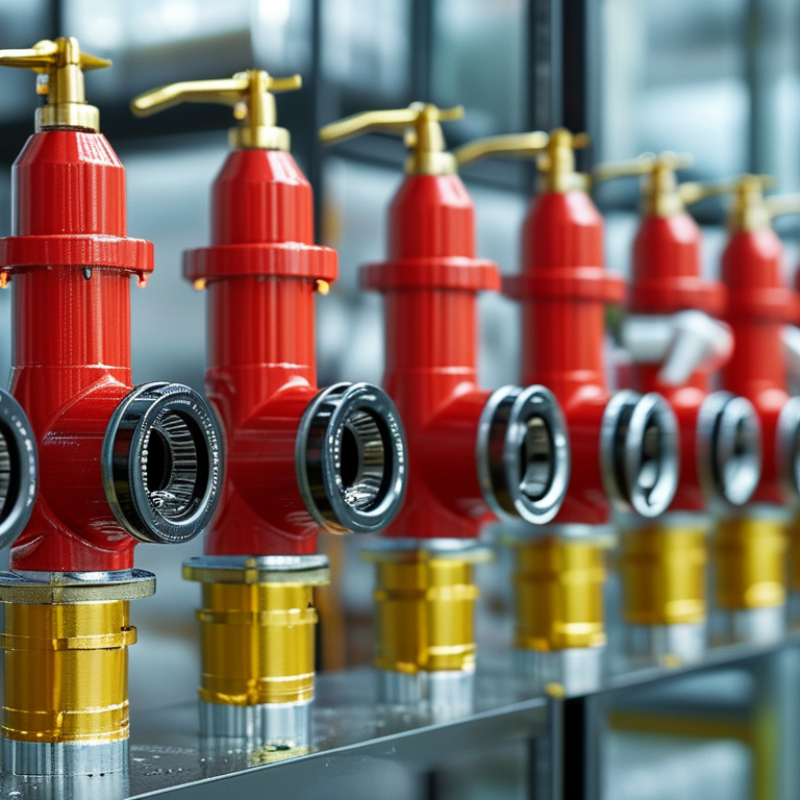
Defining the sprinkler type comes before comparing prices. Upright sprinklers suit exposed piping in warehouses and mechanical rooms. Pendent models fit suspended ceilings and are common in offices, shops, and hotels. Sidewall sprinklers can protect narrow rooms where ceiling piping is difficult. Concealed models offer a cleaner appearance, but their cover plates require careful temperature matching.
Application conditions determine more than layout. Check the hazard level, ceiling height, storage arrangement, water supply, and required discharge density. A warehouse holding plastic goods may need a different design than a small office. Temperature ratings must match the room environment. Corrosive air, dust, freezing conditions, and limited maintenance access also affect material and installation choices. Local fire codes and recognized testing approvals must be verified by a qualified professional.
Tips: Create a requirement sheet before requesting quotations. Include connection size, response type, temperature rating, finish, flow data, approval documents, and packaging needs. Request drawings and test reports, not only product photos. I once treated a standard connection as universally compatible; it was not. That mistake delayed installation and added freight costs. Supplier claims still need independent review. Small details matter.
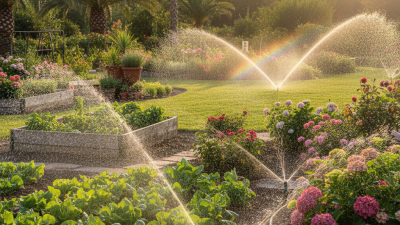
Choosing the right fixed sprinkler for global sourcing begins with measurable field conditions, not catalogue appearance. Water flow and pressure must match the irrigation zone. I have inspected systems where a nozzle looked suitable, yet delivered weak coverage because pressure dropped during operation. Use a calibrated flow meter and pressure gauge at the inlet. Record readings while nearby sprinklers are running. A listed flow rate may reflect laboratory conditions, not your site.
Coverage depends on spacing, spray angle, elevation, and wind exposure. Place catch cans in a grid around the sprinkler and run it for a fixed period. Measure the water depth in each can. Dry edges or deep puddles reveal poor distribution. Spray uniformity matters more than maximum range. A wide pattern can still waste water if its center is heavy and its perimeter is thin. On sloped ground, pressure differences may also change the pattern.
Global sourcing requires careful verification. Request technical drawings, operating pressure ranges, flow curves, material specifications, and independent test reports where available. Confirm thread sizes and connection standards before ordering samples. I once accepted a supplier’s stated coverage without checking the test method. The result was disappointing. The lesson remains useful: compare products under identical pressure, nozzle height, spacing, and wind conditions. Small differences in inlet screens or seals can affect reliability over time.
The comparison below uses representative fixed spray configurations operating with clean water at approximately 2.5 bar dynamic pressure. Actual performance varies with nozzle geometry, filtration, elevation, pipe friction, wind, water quality, and installation spacing.
| Configuration | Spray Pattern | Operating Pressure | Flow Rate at 2.5 bar | Spray Radius | Approx. Wetted Area | Recommended Head-to-Head Spacing | Typical Distribution Uniformity | Pressure Tolerance | Best Application | Global Sourcing Checkpoint |
|---|---|---|---|---|---|---|---|---|---|---|
| Compact Quarter-Circle Fixed Sprinkler | 90° sector | 1.5–3.0 bar (22–44 psi) |
7–9 L/min | 4.0–4.5 m | 12.6–15.9 m² | 4.0–4.5 m | 65–75% with correct overlap | ±10% flow variation across the specified range | Small corners, narrow planting beds, and landscape edges | Confirm clean shutoff, low-angle overspray control, and compatibility with local pipe threads |
| Half-Circle Fixed Sprinkler | 180° sector | 1.5–3.0 bar (22–44 psi) |
14–18 L/min | 4.0–4.5 m | 25.1–31.8 m² | 4.0–4.5 m | 70–80% with matched pressure | ±10% flow variation across the specified range | Perimeter strips, sidewalks, and rectangular garden borders | Check whether the stated flow is measured at the nozzle or at the inlet |
| Full-Circle Fixed Sprinkler | 360° circle | 1.5–3.0 bar (22–44 psi) |
28–36 L/min | 4.0–4.5 m | 50.3–63.6 m² | 4.0–4.5 m | 70–80% with head-to-head coverage | ±10% flow variation across the specified range | Open lawn areas and regular planting zones | Verify the available water source can supply the combined flow of all operating heads |
| Low-Flow Quarter-Circle Fixed Sprinkler | 90° sector | 1.0–2.0 bar (15–29 psi) |
3–5 L/min | 2.5–3.5 m | 4.9–9.6 m² | 2.5–3.5 m | 60–72% in low-wind conditions | ±12% flow variation across the specified range | Balconies, small beds, low-pressure municipal systems, and container areas | Request clogging tests using the target water quality and the intended filtration level |
| Medium-Radius Adjustable Fixed Sprinkler | Adjustable sector, approximately 25–360° | 2.0–3.5 bar (29–51 psi) |
8–30 L/min | 4.5–6.0 m | Sector-dependent | 4.5–6.0 m | 68–78% when the arc is correctly set | ±10% flow variation at the recommended pressure | Mixed layouts where one sprinkler must cover different arc angles | Check arc-memory accuracy, adjustment range, seal durability, and resistance to tampering |
| Strip-Pattern Fixed Sprinkler | Narrow rectangular strip | 1.5–3.0 bar (22–44 psi) |
5–12 L/min | 1.5–2.0 m width × 4.0–5.0 m length | 6–10 m² | Strip-to-strip overlap of 80–100% | 65–78% when strips are aligned | ±10% flow variation across the specified range | Narrow medians, roadside planting, and long rectangular beds | Confirm strip dimensions under both minimum and maximum operating pressure |
| Pressure-Regulated Fixed Sprinkler | 90°, 180°, or 360° | Inlet pressure 2.0–5.0 bar; regulated outlet commonly 2.1–2.8 bar |
Pattern-dependent; typically 7–36 L/min |
Pattern-dependent; typically 3.5–5.0 m |
Pattern-dependent | 3.5–5.0 m | 72–82% with matched nozzles and spacing | More consistent flow where inlet pressure fluctuates | Sites with elevation changes, variable municipal pressure, or long lateral lines | Test regulation accuracy, minimum activation pressure, pressure loss, and serviceability of the internal regulator |
Choosing the right fixed sprinkler begins with service conditions, not catalog appearance. In sourcing reviews, I compare water chemistry, pressure range, temperature, ultraviolet exposure, and soil movement. Brass bodies handle impact well, while engineering plastics reduce weight and corrosion risk. Stainless steel can suit demanding environments, but its higher cost needs justification. Material selection is never automatic.
Ask suppliers for dimensional drawings, flow-pressure curves, test reports, and production traceability. Standards differ between markets, so verify thread types, connection sizes, pressure ratings, and applicable irrigation requirements. A certificate without a clear scope is weak evidence. Request samples from several production lots, then test spray uniformity and leakage under realistic pressure. Do not guess.
Durability also depends on maintenance. Check whether nozzles, seals, and filters can be removed without special tools. Hard water may leave mineral deposits, while sand can enlarge nozzle openings and distort coverage. UV-stabilized components may last longer in exposed fields, but installation quality still matters. I once approved a compact model because its material data looked strong, then found its narrow filter clogged quickly during field trials. That mistake changed my review process. Now I assess cleaning access, replacement-part availability, and technician skill before comparing unit prices. A slightly cheaper sprinkler can become expensive when every blocked unit requires manual servicing.
Relative suitability scores for common fixed-sprinkler materials, based on corrosion resistance, UV durability, wear resistance, and maintenance requirements. Scores range from 1 (low) to 5 (high).
Plastic bodies such as ABS and POM are lightweight and corrosion-resistant, while brass and stainless steel generally provide stronger mechanical durability. For international sourcing, verify applicable irrigation requirements such as ISO 15886 and ASABE S398.1, together with local water-quality, pressure, UV-exposure, and winterization conditions.
Choosing a fixed sprinkler for global sourcing starts with risk, not catalog photos. NFPA’s Fire Loss in the United States During 2023 reported 1,388,500 fires. That figure makes hydraulic performance, corrosion resistance, and temperature rating essential controls.
Ask manufacturers for flow-test records, material traceability, and batch inspection results. Verify approvals, such as UL, FM, or LPCB, against local codes and insurer requirements. ISO 9001 supports process evaluation, but it does not prove every sprinkler performs correctly. Request recent audits and independent test reports. Some supplier files look polished. The original evidence may be less clear.
Compare landed cost, not unit price. Include tooling, testing, freight, duties, spare heads, and replacement lead times. A low quote can become expensive when minimum order quantities rise. Late certification documents can also delay installation.
The World Bank’s 2023 Logistics Performance Index evaluates 139 economies. It examines customs, infrastructure, and shipment timeliness. Use these indicators beside factory evidence.
Ask about monthly capacity, critical-component inventory, dual sourcing, and contingency plans. Confirm whether the factory controls testing or only trades products. That distinction matters.
Tips:
Build a weighted scorecard. Give certification 30%, hydraulic data 25%, quality 20%, cost 15%, and supply resilience 10%. Test samples from different batches. Do not accept “globally certified” without certificate number, scope, expiry, and model match. A spreadsheet can miss corrosion in a humid warehouse. Recheck assumptions before signing.
A fixed sprinkler should be judged from tested samples, not catalogue photographs. Request several units from the actual production line. Check body dimensions, thread accuracy, temperature rating, K-factor, coating, and seal condition. Record measurements with calibrated tools. One sample can look perfect. It can still misrepresent the batch.
Use a documented inspection plan based on ISO 2859-1 acceptance sampling. This standard supports lot-based sampling and clear acceptance limits. Ask for material certificates, pressure-test records, and traceability codes.
Production quality needs more than a final visual check. Inspect casting flaws, blocked waterways, uneven coatings, and damaged threads during production. I have seen minor thread damage create major installation delays. A spreadsheet is not proof; signed records and retained samples are stronger evidence.
Packaging must protect delicate deflectors and threaded connections through repeated handling. Use dividers, moisture barriers, carton drop testing, and clear pallet labels. The World Bank’s 2023 Logistics Performance Index highlights reliability and shipment tracking as key logistics factors. Record carton dimensions and gross weight before booking freight. UNCTAD reports that maritime transport carries over 80% of global merchandise trade by volume, so port delays and container movement matter. Confirm the Incoterm, insurance responsibility, export documents, and destination requirements. Leave buffer time. Shipping plans often look precise, but weather, port congestion, and customs inspections can disrupt them.