What is a Landscape Irrigation Controller and How Does It Work?
In the world of modern gardening, a "Landscape Irrigation Controller" plays a vital role. According to Dr. Emily Green, an industry expert and professor of horticulture, "Smart controllers optimize water use, improving both plant health and environmental sustainability." This underlines the importance of these devices in efficient landscape management.
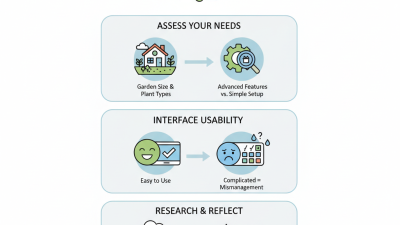
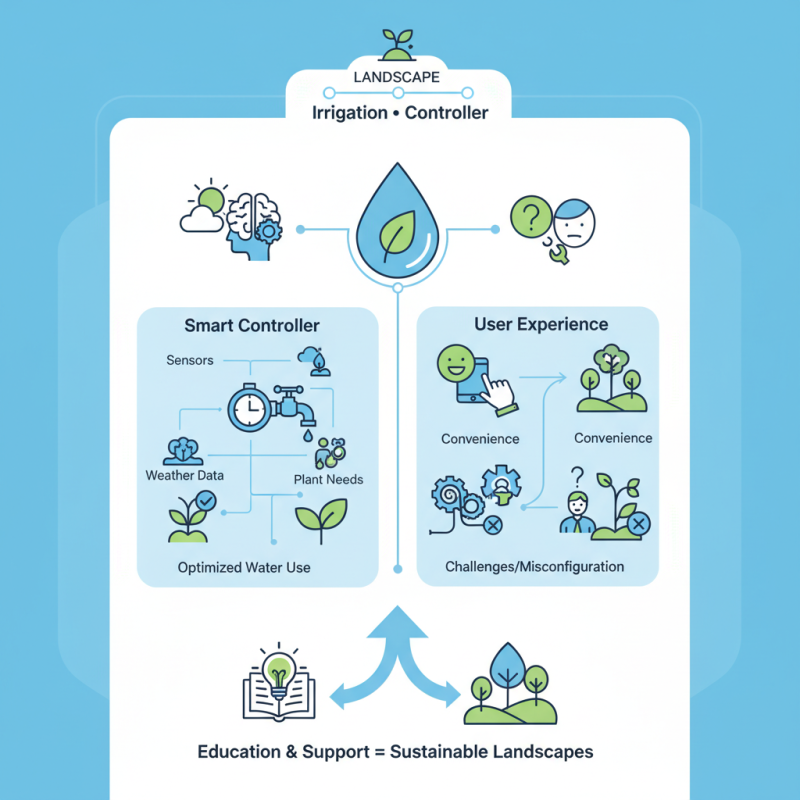
A Landscape Irrigation Controller automatically schedules watering times, adapting to weather conditions and plant needs. With sensors and smart technology, these controllers minimize water waste. However, many users find it challenging to set them up correctly. Misconfigurations can lead to overwatering or underwatering, impacting plant health.
As this technology evolves, so do user experiences. Some appreciate the convenience, while others struggle with technical aspects. It’s clear that a Landscape Irrigation Controller is essential, yet its effectiveness depends on proper understanding and use. Continued education and support can help users maximize these tools' potential for sustainable landscapes.
What is a Landscape Irrigation Controller?
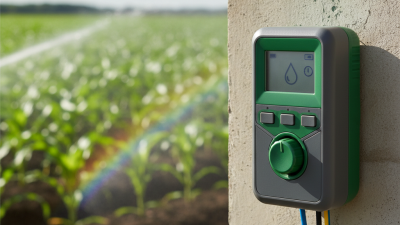
A landscape irrigation controller is an essential device for efficient watering. It automates the process of watering gardens, lawns, and landscapes. These controllers monitor weather conditions and soil moisture levels, adjusting the watering schedule accordingly. This technology helps ensure that plants receive the right amount of water without wastage.
Understanding how landscape irrigation controllers work can improve gardening practices. They often come with sensors that detect rainfall or soil wetness. When it rains, the controller pauses irrigation. This feature saves water and promotes sustainability. A well-calibrated system reduces overwatering, which can harm plants.
Tips: Regularly check the calibration of your controller. Explore settings that suit your landscape's needs. Over time, you might notice areas that still puddle after rainfall. Adjust the irrigation accordingly. Be aware that climate changes can impact the efficiency of your system. Stay informed and make necessary adjustments for optimal results.
Key Components of a Landscape Irrigation Controller
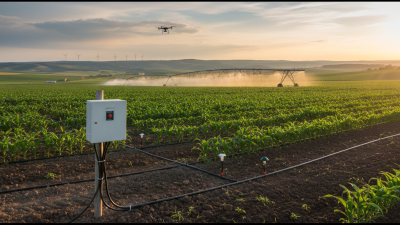
Landscape irrigation controllers are essential for efficient water management in gardens and landscapes. They optimize water usage while minimizing waste. These controllers regulate when and how much water is applied to the landscape. The primary components include sensors, valves, and timers, which work together to create an effective irrigation system.
Sensors play a crucial role. Soil moisture sensors detect the water content in the soil. This information helps prevent overwatering, reducing water use by up to 30%. Climate sensors monitor local weather conditions, adjusting irrigation accordingly. For instance, a sudden rain can trigger the controller to pause watering. Valves control water flow to different zones in the landscape, ensuring that each area receives the right amount of irrigation.
Timely irrigation is significant in urban areas where water scarcity is a concern. According to a report from the Environmental Protection Agency, efficient irrigation practices could save up to 1 trillion gallons of water annually. Using advanced irrigation controllers promotes sustainability. However, reliance on technology can lead to complacency; regular maintenance and monitoring are essential. Without proper oversight, controllers may malfunction, leading to potential water waste. Embracing technology is beneficial, but it requires a balanced approach.
Landscape Irrigation Controller Water Usage by Month
This bar chart displays the average water usage (in gallons) by landscape irrigation controllers over the months of the year. It helps visualize the seasonal changes in irrigation needs, contributing to effective water management.
How Landscape Irrigation Controllers Function
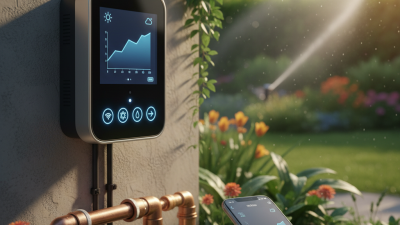
Landscape irrigation controllers play a crucial role in optimizing water usage for landscaping. These devices automatically manage irrigation schedules based on various factors. They utilize sensors to adjust watering times based on weather conditions, soil moisture levels, and plant types. According to industry reports, efficient systems can reduce water consumption by up to 50%, highlighting the importance of these controllers.
The technology behind these controllers varies. Some use timer-based systems, while others rely on weather data integration. For instance, soil moisture sensors can measure the water content in the ground. When moisture levels drop below a certain threshold, the controller triggers irrigation. This method ensures that landscapes receive adequate moisture without over-irrigating. However, users often overlook the need to regularly clean and calibrate these sensors, which can lead to inefficient watering practices.
Furthermore, many irrigation controllers allow for customization. Users can set specific schedules tailored to different plant needs. This flexibility seems advantageous, yet it requires users to invest time in understanding their landscape. Misconfigured settings might lead to either underwatering or overwatering, impacting plant health. It's essential to recognize that while these controllers provide convenience, they still require user engagement for optimal performance.
What is a Landscape Irrigation Controller and How Does It Work?
| Feature |
Description |
| Type |
Smart Irrigation Controller |
| Functionality |
Automatically adjusts watering schedules based on environmental conditions. |
| Sensors |
Can include rain, soil moisture, and temperature sensors. |
| Water Savings |
Potential to reduce water usage by up to 50% compared to traditional timers. |
| Ease of Use |
Often controllable via a smartphone app for convenient management. |
| Installation |
Typically installed in place of traditional timers and requires minimal setup. |
| Weather Adjustments |
Can automatically modify watering schedules based on rainfall and seasonal changes. |
Types of Landscape Irrigation Controllers Available
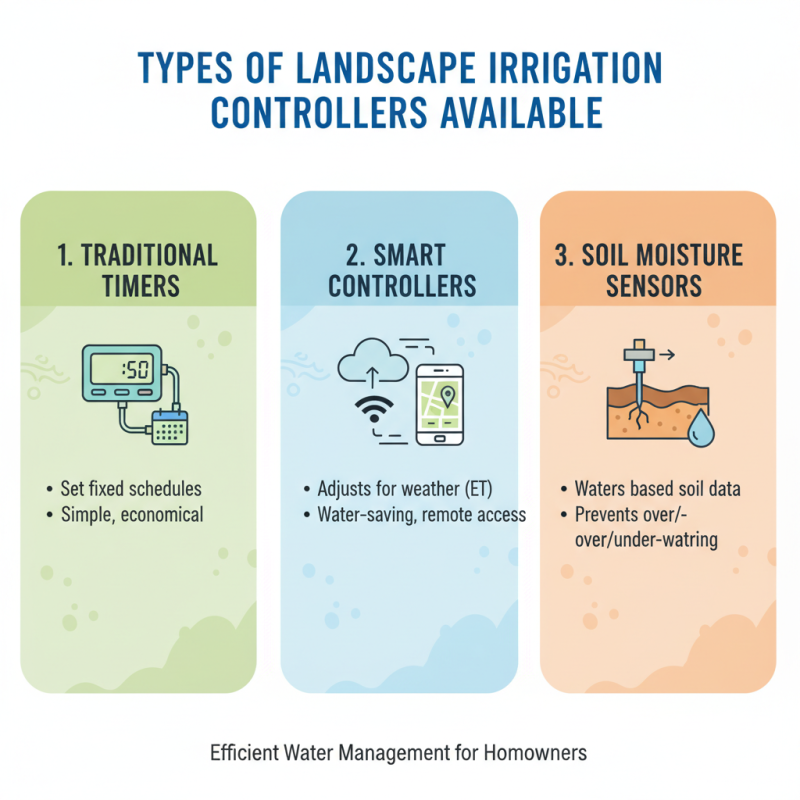
Landscape irrigation controllers are vital for efficient water management. They automate watering schedules based on weather conditions and soil moisture. Homeowners can choose from various types, each offering distinct features and benefits.
One common type is the timer-based controller. These devices allow users to set specific watering times. While they are easy to use, they can waste water during rain. Smart controllers are another option. They use weather data to adjust watering schedules automatically. This technology saves both water and time but may require a learning curve.
Soil moisture sensors and rain sensors are also popular. Soil sensors provide real-time data, ensuring plants receive adequate moisture without overwatering. Rain sensors prevent unnecessary watering during wet weather. While both sensors enhance efficiency, they may need periodic maintenance. Each type has its pros and cons, making it essential to choose based on personal needs.
Benefits of Using a Landscape Irrigation Controller
A landscape irrigation controller plays a crucial role in maintaining healthy gardens and lawns. It automates watering schedules, adjusting based on weather conditions. This technology not only saves time but also conserves water.
Using a landscape irrigation controller offers significant advantages. It helps ensure your plants receive the right amount of water at the right time. With features like soil moisture sensors, your system can prevent overwatering. This leads to healthier plants and reduces water waste.
However, not every system is perfect. Some users may struggle with setup or require ongoing adjustments. Over time, you might find certain settings need tweaking. Regular maintenance is essential to maximize efficiency. Embracing the technology can help streamline garden care but requires initial effort and adjustment.