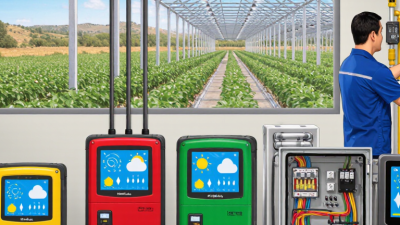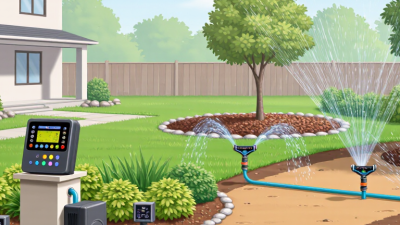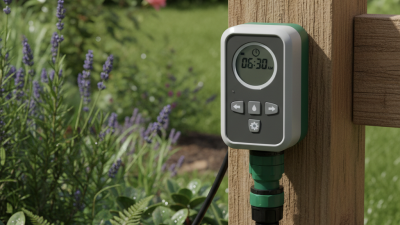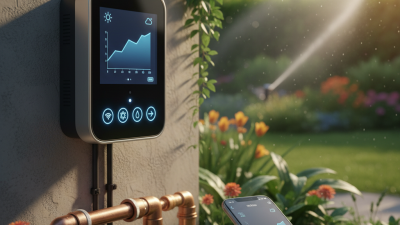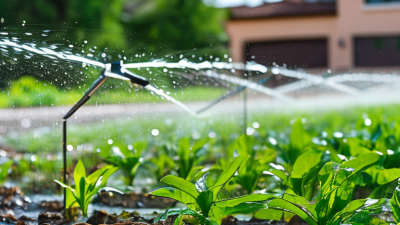
Choosing the right Sprinkler Irrigation Controller begins with understanding your landscape, not chasing the most expensive screen. A controller must match plant types, soil, slope, pressure, and local weather. A small lawn with sandy soil needs different scheduling from a large garden with clay soil. Simple details matter.
The U.S. Environmental Protection Agency’s WaterSense program reports that outdoor water use can exceed 30% of household consumption, while inefficient irrigation may waste nearly half of that water. The FAO AQUASTAT database also identifies agriculture as the world’s largest freshwater withdrawal sector. These findings make irrigation control more than a convenience. It becomes a practical water-management decision.
A strong Sprinkler Irrigation Controller should support seasonal adjustment, rain sensing, flow monitoring, and independent zone control. Weather-based models can respond to rainfall and temperature, but they still depend on accurate setup. A smart device is not automatically a smart system. A poorly placed rain sensor, blocked nozzle, or incorrect soil setting can quietly waste water. That is easy to overlook.
Professional irrigation guidance from the Irrigation Association emphasizes correct scheduling, system maintenance, and uniform water application. Those principles should guide the buying process. Consider the controller’s compatibility, connectivity, installation requirements, and long-term reliability before comparing app features. Field experience also suggests checking manual controls, especially when Wi-Fi fails. No controller is perfect. The best choice is the one that delivers measurable control, fits the site, and remains understandable after installation.
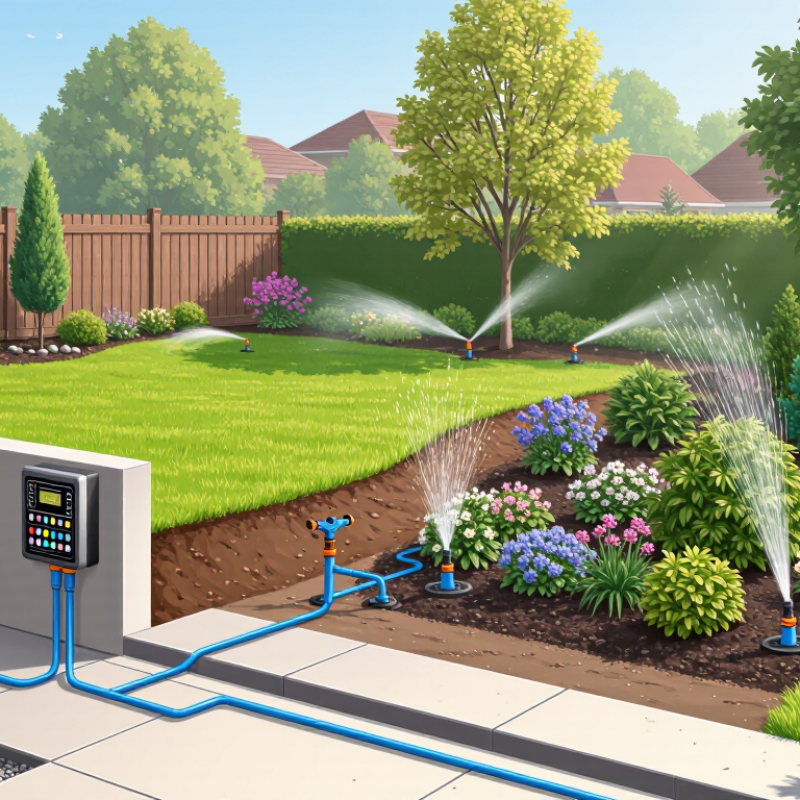
A sprinkler irrigation controller is the system’s timing and decision center. It opens valves, sets watering duration, and follows programmed schedules. Modern models may also adjust watering after rainfall, heat, wind, or soil moisture changes. This is more useful than simply choosing the most expensive unit. The U.S. Environmental Protection Agency’s WaterSense program reports that weather-based controllers can save an average home about 8,800 gallons of water annually. However, savings depend on correct installation and regular adjustments.
The U.S. Environmental Protection Agency’s WaterSense program reports that weather-based controllers can save an average home about 8,800 gallons of water annually.
Look for essential functions first. Independent zone control helps separate lawns, flower beds, and shaded areas. Seasonal adjustment changes watering volume during dry summers or cooler months. Rain-delay settings prevent irrigation after storms. Soil-moisture sensors can reduce unnecessary cycles, but poor sensor placement can produce misleading readings.
In field inspections, technicians often find sensors buried too deeply or installed near paved surfaces. That small error can waste water.
The Irrigation Association also stresses proper scheduling, pressure management, and maintenance as key efficiency factors.
A smart controller cannot repair blocked nozzles or uneven spray patterns.
Tips: Measure each zone’s coverage before programming. Start with shorter cycles and inspect the soil afterward. Keep a simple watering record for two weeks. Review it after unexpected rainfall. No controller is perfect. Human judgment still matters.
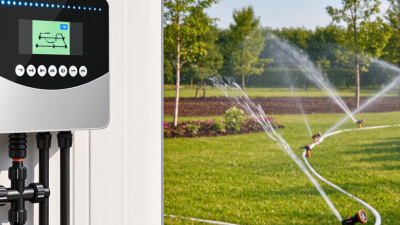
Choosing the best sprinkler irrigation controller starts with the landscape, not the control panel. Measure each planting zone, noting slope, soil texture, sun exposure, and plant type. A lawn on sandy soil may need shorter, more frequent cycles. Clay soil often needs slower watering to reduce runoff. EPA WaterSense reports that outdoor residential use can exceed 30% of household water consumption, and it may surpass 60% in dry regions. That makes accurate scheduling more than a convenience.
Inspect the water source before comparing controller features. Record static pressure, flow rate, pipe size, and the number of operating zones. A simple bucket test can reveal whether the supply supports several sprinklers together. Check for pressure loss when other fixtures operate. Irrigation Association guidance emphasizes matching application rates with soil intake rates. Otherwise, water may collect beside a driveway instead of reaching roots.
Weather-based controllers can adjust watering after rain, heat, or wind. Soil-moisture sensors can provide useful local evidence, especially where conditions change sharply across the yard. However, sensor placement matters. One sensor under a shaded shrub can misrepresent an entire landscape. I once trusted a single reading too quickly. That was a mistake. The U.S. Environmental Protection Agency notes that properly managed irrigation can reduce unnecessary outdoor watering, but performance still depends on setup and maintenance. Recheck schedules after pruning, seasonal temperature changes, and repairs. A controller is only as reliable as the assumptions behind it.
Controller types should match your garden, water source, and daily routine. Basic timer controllers use fixed schedules and suit small, predictable lawns. Advanced controllers manage several zones, seasonal changes, and rain delays. Smart controllers connect through Wi-Fi and may use local weather data. However, internet dependence can become a weakness during outages.
Look for practical smart features rather than impressive labels. Weather-based adjustment can reduce watering before rainfall. Soil-moisture sensors can pause irrigation when the root zone remains damp. Flow monitoring may detect a broken pipe or blocked sprinkler.
Test these functions against real conditions. A shaded flower bed should not receive the same schedule as a sunny vegetable plot.
Programming options also affect everyday reliability. Choose separate start times, adjustable run lengths, and seasonal percentage controls. Cycle-and-soak programming helps clay soil absorb water slowly. A manual override is essential when planting new grass or repairing a zone.
Keep the settings simple. Complicated schedules often create mistakes. No controller is perfect, and sensor readings can be wrong near hot walls or heavy shade. Review water use after two weeks, then adjust each zone carefully.
Choosing the best sprinkler irrigation controller starts with compatibility, not screen size. Check the system voltage, valve count, wiring distance, and sensor type. A controller designed for indoor use may fail beside a damp valve box. The U.S. Environmental Protection Agency reports that WaterSense-labeled irrigation controllers can reduce outdoor water use by up to 30% compared with conventional models. However, savings depend on correct programming and functioning sensors.
Installation requirements deserve equal attention. Confirm whether the controller needs a neutral wire, Wi-Fi signal, weather data, or a separate rain sensor. Measure the cable before ordering. A small mismatch can create expensive rewiring. The Irrigation Association recommends testing each zone for pressure, coverage, and leaks during commissioning. Watch the first cycle at dawn. Uneven spray patterns are easier to see then. I once trusted an automatic schedule too quickly. That was a mistake.
Tips: Photograph existing terminals before disconnecting wires. Label every zone. Choose weather-resistant housing for exposed locations. Ask whether replacement parts will remain available for at least five years. Long-term reliability also depends on surge protection, sealed connections, and software support. EPA WaterSense guidance emphasizes seasonal adjustment and proper maintenance, yet many owners never update schedules after installation. A dependable controller should offer manual operation, fault alerts, and simple local access when the network fails. Fancy features are not always useful. Simpler can be safer.
The chart shows representative residential controller capacities by irrigation zone count. Choose a controller that supports your current zones, uses the correct valve voltage—24 VAC is common in residential systems—and leaves room for future expansion. Also verify sensor terminals, pump or master-valve support, outdoor enclosure requirements, backup programming, and long-term weather resistance.
Your budget should match your maintenance routine, not just your garden size. A basic timer can suit a small lawn with one watering schedule. It costs less and needs little attention. However, it may waste water after rain. For several zones, choose a controller with independent schedules and seasonal adjustment. Check that its wiring matches your existing valve system before buying.
In my own installations, simple controls worked best for owners who inspect their gardens weekly. A weather-based controller suits people who travel or forget routine changes. It can adjust watering after rainfall, heat, or cooler nights. Smart features are useful, but they often require stable internet access. That adds another failure point. I once chose a connected model for a shaded courtyard, but its sensor readings were inconsistent. The plants still needed manual checks.
Consider long-term maintenance before spending more.
Can you replace the battery easily? Is the display readable in bright sunlight? Are the terminals protected from moisture? A controller with clear buttons may outperform an advanced model in a dusty utility box. Keep a written zone map beside it. Label each wire carefully. Test every zone at the start of spring and after major repairs. A cheaper controller is not always economical if its settings are confusing. More features can create more mistakes.