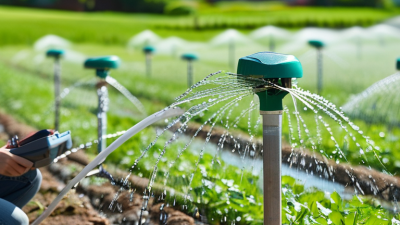
Choosing the Top Sprinkler Irrigation Controllers for Global Buyers requires more than comparing app features. A controller may look advanced in a product photograph, yet fail beside a dusty pump room or unstable internet connection. Global buyers must examine voltage compatibility, weather resistance, valve capacity, communication options, and local service support. Installation experience matters here. A beautiful dashboard cannot repair poor wiring.
Dr. Charles M. Burt, a respected irrigation engineer and founder of the Irrigation Training and Research Center, has stated, “The goal is not to apply more water, but to apply water more effectively.” This principle guides the evaluation of every Sprinkler Irrigation Controller in this guide. The strongest models adjust schedules through weather data, soil moisture readings, or flow feedback. They can reduce waste without making irrigation management unnecessarily complicated. Simple controls still have value.
Real conditions are rarely perfect.
A controller used in a Mediterranean greenhouse may need different settings from one operating across a humid tropical farm. Buyers should check regional cloud services, replacement parts, technical documentation, and after-sales training before purchasing. Independent testing and manufacturer specifications provide useful evidence, but neither replaces field verification. Some products promise intelligent automation yet offer limited sensor compatibility. That gap deserves attention.
This guide compares leading controllers through practical criteria, including scheduling accuracy, connectivity, durability, integration, security, and total ownership cost. It also recognizes an uncomfortable point: the most expensive controller is not always the most suitable one. Reliable irrigation comes from matching technology with crops, climate, infrastructure, and operator skill. That match is the real measure of value.
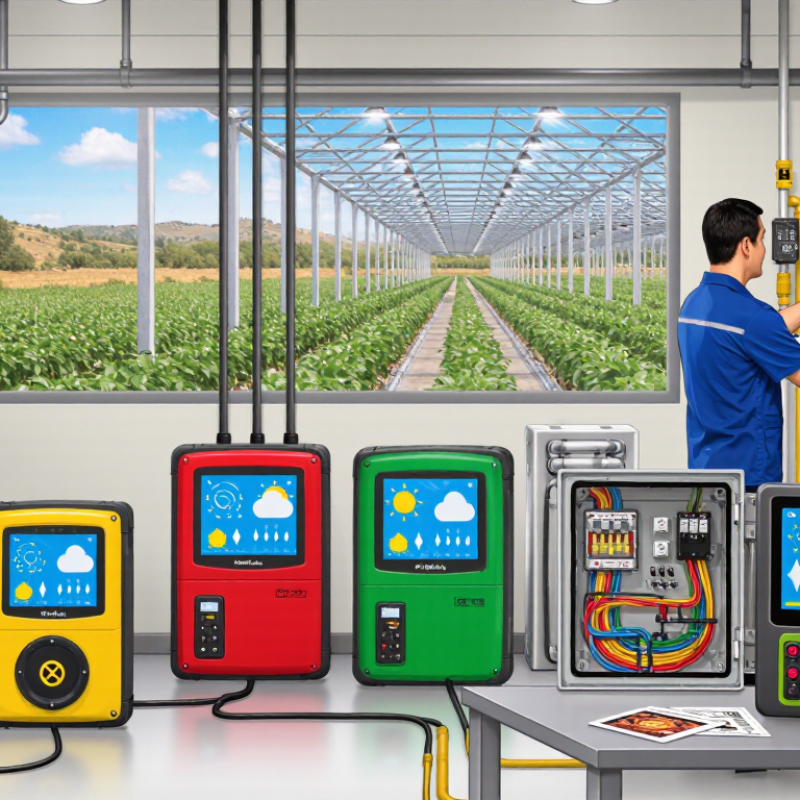
A sprinkler irrigation controller is the system’s decision-maker. It opens and closes valves according to programmed schedules. Advanced units also read rainfall, soil moisture, temperature, or flow. This distinction matters: sprinklers distribute water; controllers decide when and how long they operate. For global buyers, the controller must match local voltage, valve wiring, water pressure, and communication networks. A unit designed for a small garden may fail on a large farm. It may also lack useful fault alerts. FAO AQUASTAT reports that agriculture uses roughly 70% of global freshwater withdrawals. That figure makes scheduling a resource issue, not merely a convenience.
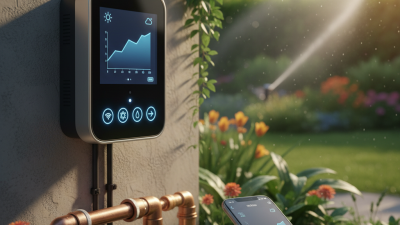
A practical controller should support seasonal adjustment, independent zones, rain interruption, manual testing, and flow monitoring. Soil-moisture or weather-based control can respond better than a fixed timer, but sensors need correct placement and calibration. EPA WaterSense estimates that efficient irrigation controllers can save an average household up to 15,000 gallons annually, although climate and maintenance change the result. The number is not a promise. It is a reference point. During commissioning, inspect each zone for overspray, clogged nozzles, and unequal pressure before trusting automation. Many installations still waste water because programming is wrong. I would not treat connectivity as proof of efficiency. A reliable controller is simple to verify, protects schedules during power interruptions, and provides clear evidence when something goes wrong.
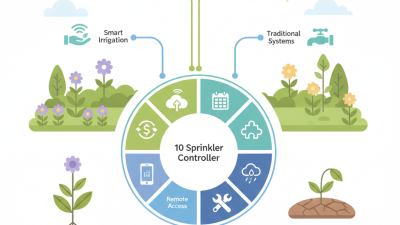
Top Sprinkler Irrigation Controllers for Global Buyers?
How Sprinkler Controllers Work and Which Features Matter
A sprinkler controller is a timed switching device. It opens electric valves according to programmed schedules. Water then moves through pipes and reaches each irrigation zone. Most units use a small display, control buttons, and internal memory. Some also accept signals from rain, soil moisture, or flow sensors.
Reliable scheduling matters more than a crowded feature list. Look for independent zone timing, seasonal adjustment, and a clear manual-start function. A rain sensor can pause watering after rainfall, reducing waste near garden beds and lawns. Flow monitoring may detect a broken pipe, but only when the sensor and installation are suitable. Check voltage requirements carefully. Electrical standards vary between countries.
Outdoor controllers need a sealed, weather-resistant enclosure and protected cable connections. Battery backup helps preserve schedules during short power cuts. I have found simple interfaces easier to manage beside a wet greenhouse, especially at dawn. Remote access sounds useful, yet it depends on stable internet and secure account controls. Do not assume every sensor works with every controller. Read wiring diagrams and test each zone before leaving the site. Even experienced installers can overlook one valve or program an excessive runtime. A written watering log can reveal those mistakes. Small details matter.
| Controller Type | How It Works | Typical Station Capacity | Programming Method | Sensor and Input Options | Water-Adjustment Capability | Connectivity | Best Application |
|---|---|---|---|---|---|---|---|
| Basic Electronic Timer | Opens and closes irrigation valves according to preset start times, run times, and watering days. | 2–12 stations for common residential units | Buttons, dial, or built-in digital display | Rain sensor input is common; advanced sensor support is limited | Manual seasonal adjustment; usually no automatic weather response | Normally none; some models provide a local wireless connection | Small gardens, lawns, and installations with stable watering schedules |
| Smart Weather-Based Controller | Uses programmed landscape information and weather data to calculate or modify irrigation runtimes. | 4–24 stations, depending on the configuration | Mobile application, web portal, or local controls | Rain, temperature, wind, freeze, and flow inputs may be supported | Automatic seasonal and weather-based adjustments; may use evapotranspiration data | Wi-Fi, cellular, Bluetooth, or a combination, depending on the model | Residential and light-commercial landscapes where remote management and water savings matter |
| Soil-Moisture-Based Controller | Measures soil moisture and starts, delays, or shortens irrigation according to the measured water level. | 2–16 stations in typical landscape installations | Local display, mobile application, or automatic sensor logic | Soil-moisture probes; rain and flow sensors may also be compatible | Automatic adjustment based on soil conditions rather than weather alone | Wired or low-power wireless sensor communication; optional internet access | Sites with variable soil, slopes, planting zones, or inconsistent rainfall |
| Battery-Operated Controller | Controls valve operation from an internal battery where mains electricity is unavailable or difficult to install. | 1–4 stations is common for compact installations | Dial, buttons, handheld setup tool, or mobile device | Rain and flow sensors are available on selected configurations | Preset schedules and manual seasonal changes; limited advanced automation | Usually offline; short-range wireless setup may be available | Remote plots, roadside landscaping, small agricultural areas, and locations without AC power |
| Commercial Modular Controller | Uses a central controller with expandable modules to operate many valves and irrigation programs. | 12–48+ stations, depending on installed modules | Front-panel interface, desktop software, web portal, or mobile application | Rain, flow, pressure, wind, freeze, pump-start, and master-valve inputs | Multiple seasonal programs, flow-based control, and advanced scheduling | Wired networking, Ethernet, Wi-Fi, cellular, or site-management networks | Sports fields, public parks, hotels, campuses, nurseries, and large commercial properties |
| Agricultural Irrigation Controller | Coordinates irrigation zones, pumps, filters, fertigation equipment, and pressure-management devices. | Several zones to large multi-block systems | Industrial panel, programmable logic system, cloud platform, or remote terminal | Flow, pressure, tank level, soil moisture, weather, pump, and filter-status signals | Flow-rate targets, irrigation-volume control, sensor feedback, and scheduled automation | Cellular, radio, Ethernet, or specialized farm communication networks | Drip, microsprinkler, greenhouse, orchard, vineyard, and field-crop systems |
Choosing a sprinkler controller starts with the irrigation system, not the control panel. Different layouts need different timing logic, valve capacity, and sensor support.
For small gardens using hose-end sprinklers, a basic single-zone timer is often sufficient. It suits simple beds and short watering cycles. However, it offers little flexibility when plant needs vary.
Drip irrigation requires precise, frequent watering. A programmable multi-zone controller can run short cycles and reduce runoff. Spray and rotary systems usually need separate zones because their application rates differ. Cycle-and-soak settings help water reach compacted soil without creating puddles. In larger landscapes, weather-based controllers can adjust runtimes after rain or during hot, dry periods. Soil moisture sensors add useful local data, although their readings can be misleading in shaded ground.
I have seen installations fail because the controller was powerful, but the valves and pump were poorly matched. Agricultural and greenhouse systems may require pump-start relays, flow monitoring, pressure protection, and backup scheduling. Global buyers should verify voltage, wiring standards, waterproofing, and local certification before purchase. A sensor is not magic. It needs correct placement and occasional testing. Even advanced systems still need seasonal review, especially when crops change or water pressure fluctuates. In practice, the best controller is the one that matches zone size, water delivery, climate, and the operator’s ability to adjust it.
Selecting a sprinkler irrigation controller for global use requires more than counting zones. In field evaluations, I compare scheduling logic, manual controls, sensor inputs, and recovery after power cuts. A model with twelve zones may still disappoint if its interface is confusing during a dry week. Check local voltage and frequency before reviewing smart features. Some markets use different plug standards, while unstable power makes battery backup or nonvolatile memory valuable. Keep installation practical.
Regional climate changes the comparison. A coastal site may need corrosion-resistant housing, while a dusty farm needs sealed protection. In cold regions, freeze sensors and seasonal shutdown settings matter. Water pressure also varies, so controllers should support valves used by the local irrigation network. Rain sensors, flow meters, and soil probes may require compatible wiring or wireless protocols. Connectivity is another dividing line. Cellular coverage can be weak outside cities, and cloud dependence may complicate maintenance.
For procurement, request test records, wiring diagrams, operating temperatures, warranty terms, and local technical support. Ask whether menus, alerts, and documentation are available in the users’ working language. Compare total ownership cost, including adapters, sensors, data plans, and replacement parts. Certification requirements differ by destination, so verification should happen before shipment. I would not rely only on laboratory claims. A short trial with local water and soil often reveals scheduling errors. My comparison sheets help, but they are never perfect. Field feedback can overturn a neat specification table.
For global buyers, the best sprinkler controller is practical, adaptable, and easy to service. A reliable unit should support multiple zones, seasonal scheduling, rain detection, and manual operation. Weather conditions differ widely, so local adjustment matters more than impressive specifications.
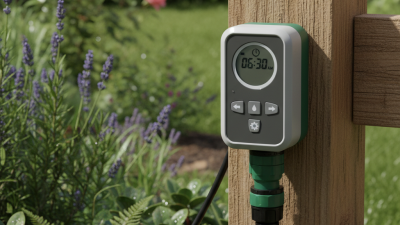
During installation, mount the controller above ground in a shaded, dry location. Protect cable connections from moisture and label every wire clearly. Match the controller’s voltage and zone capacity with the irrigation system. Test each valve before closing the enclosure. A small wiring mistake can waste water for weeks. I have found that simple layouts are easier to repair than crowded installations.
Maintenance should include monthly inspections of valves, filters, sensors, and exposed cables. Remove dirt from rain sensors and check for cracked connectors. Review schedules after heavy rain, unusual heat, or seasonal changes. Water-saving practice begins with shorter cycles and enough soak time between them. Early morning watering usually reduces evaporation, but local wind may change the result.
Do not trust automatic settings blindly.
Tips: Run each zone for five minutes and watch the soil, spray pattern, and runoff. Adjust broken nozzles immediately. A small leak can become expensive. Keep a basic inspection record, even if it feels unnecessary. That record can reveal rising water use before plants show stress.