How to Choose the Best Grass Sprinkler for Your Lawn?
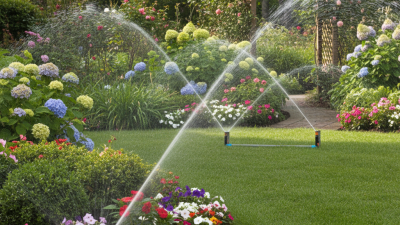
Choosing the right grass sprinkler for your lawn can be a daunting task. With numerous options available, deciding on the best fit requires careful consideration. A grass sprinkler not only facilitates even watering but also impacts the overall health of your grass. While many brands promise efficiency, understanding your lawn's specific needs is essential.
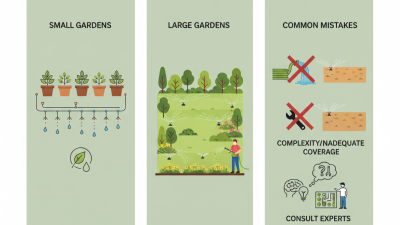
The layout and size of your yard play pivotal roles in this decision. For a small area, a simple oscillating sprinkler may suffice. Larger lawns, however, might benefit from more complex systems. Each type of grass sprinkler has its pros and cons, which can be overwhelming. You may find that what works for others does not suit your unique garden.
It's vital to evaluate factors such as water pressure and sprinkler reach. Some sprinklers might underperform if your water system is weak. Additionally, adjustments for features like rotating heads and spray patterns can enhance coverage but may require a bit more effort. Keep in mind that even the best sprinkler won't work miracles without proper setup and regular maintenance. Reflecting on these aspects will guide you toward making a well-informed choice.
Understanding Different Types of Grass Sprinklers and Their Applications
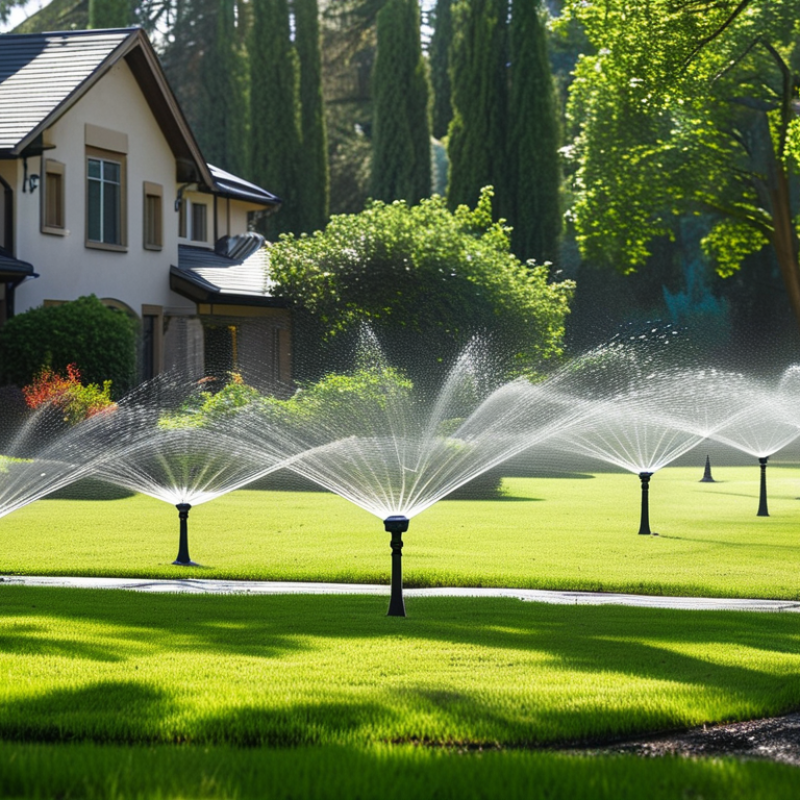
Choosing the right grass sprinkler can greatly impact your lawn’s health. Various types of sprinklers serve different needs. Understanding these options helps ensure that each corner of your yard receives adequate water.
Oscillating sprinklers are popular for large areas. They distribute water evenly across a rectangular space. This type is efficient for a well-maintained lawn. However, they may not reach tight spots effectively. You might find lawn patches remain dry unless you adjust the angle.
Rotary sprinklers, on the other hand, rotate to cover circular areas. They're useful for watering uneven terrain. But, their reach can sometimes be inconsistent. In windy conditions, water may drift away from intended areas. This makes monitoring crucial during use. Make sure to observe how well it performs in your specific environment.
Comparison of Different Types of Grass Sprinklers
This chart compares various types of grass sprinklers based on their water coverage area in square feet. Understanding these options can help you choose the best sprinkler for your lawn needs.
Key Factors to Consider When Selecting a Grass Sprinkler for Your Lawn
Choosing the right grass sprinkler can significantly impact your lawn's health. One key factor to consider is the sprinkler type. There are stationary, oscillating, and traveling sprinklers. Each serves different purposes and landscapes. For small yards, a stationary option could suffice. However, a larger area may benefit from the efficiency of a traveling model.
Another critical factor is the coverage area. Assess your lawn size and shape. Some sprinklers offer adjustable ranges, allowing for flexibility. If your lawn has various sections, an oscillating sprinkler with a wide reach might be ideal. Look for models that can easily adjust to avoid watering sidewalks or driveways.
Water pressure is also essential. Check your home’s water pressure before purchasing. Some sprinklers perform poorly at low pressure levels. It's best to find a model compatible with your home's specifications. Remember, a sprinkler that works well for a neighbor may not work effectively for your lawn. Test different options to find the best fit for your unique garden needs.
Evaluating Coverage Area and Water Pressure Requirements for Sprinklers
Choosing the right sprinkler for your lawn starts with understanding coverage area and water pressure requirements. A good rule of thumb is that most residential lawns require around 1 inch of water per week. Therefore, the sprinkler's design must ensure efficient water distribution. According to a report by the Irrigation Association, the average residential water pressure ranges from 40 to 70 psi. Sprinklers need to be compatible with this pressure to operate effectively.
Coverage area is equally important. Sprinklers can cover sections from small patches to expansive gardens. Some models efficiently cover 1,200 square feet, while others can reach up to 6,000 square feet. It's crucial to assess your lawn's size accurately. Misjudging the coverage can lead to dry patches or over-saturation in some areas. A balance should be sought, especially if you're working with mixed terrains. Water tends to pool in uneven spots, leading to wasted resources.
When evaluating these factors, consider local rainfall patterns and soil type. For example, sandy soil drains quickly, while clay retains water. This knowledge assists in selecting sprinklers designed for your specific conditions. Consulting with experts or local agricultural extensions can provide tailored recommendations. Technical data can reveal insights into which sprinklers may not perform as expected based on unique configurations.
How to Choose the Best Grass Sprinkler for Your Lawn?
| Sprinkler Type |
Coverage Area (sq ft) |
Water Pressure (psi) |
Adjustable Settings |
Ease of Use |
| Oscillating Sprinkler |
3000 |
20-40 |
Yes |
Very Easy |
| Rotary Sprinkler |
4500 |
30-50 |
Yes |
Moderately Easy |
| Stationary Sprinkler |
1000 |
15-35 |
No |
Easy |
| Traveling Sprinkler |
8000 |
25-45 |
Yes |
Moderately Easy |
| Soaker Hose |
Variable |
10-30 |
No |
Easy |
Analyzing Water Efficiency and Costs Associated with Lawn Sprinklers
Choosing the right grass sprinkler involves understanding water efficiency and costs.
Research indicates that standard lawn sprinklers can waste up to 55% of the water used.
Proper selection can substantially reduce this waste.
According to the EPA, efficient sprinklers and irrigation systems can save up to 40% of water consumption.
A high-efficiency sprinkler system can improve water distribution.
This minimizes runoff and ensures your lawn gets the adequate moisture it needs.
The initial installation cost may seem high, but homeowners often see savings in their water bills over time.
On average, households can save around $200 annually, according to industry analysis.
Many homeowners overlook the maintenance costs associated with sprinklers.
Regular checks and repairs are crucial.
Neglecting this can lead to increased water use and higher bills.
A simple adjustment to the angle of the sprinkler can make a significant difference in water application.
Investing time in this can yield better results for your lawn.
Common Mistakes to Avoid When Choosing a Grass Sprinkler System
Choosing the right grass sprinkler system is crucial for maintaining a healthy lawn. Many people rush into this decision without proper research. One common mistake is underestimating the size of the area to be watered. People often buy sprinklers that are either too small or too large, leading to uneven coverage. Measuring your lawn accurately before purchasing can save time and money.
Another frequent error is ignoring water pressure requirements. Each sprinkler has a different optimal pressure range. Utilizing a sprinkler outside of its pressure range can lead to poor performance. Many assume that all homes have the same water pressure, which is not true. Testing your water pressure before choosing a system can help avoid this pitfall.
Finally, disregarding maintenance needs is a costly oversight. Some systems require more frequent upkeep than others. Ignoring the maintenance aspect can lead to malfunctioning equipment and wasted resources. It’s essential to understand what each type of sprinkler needs to operate effectively. This knowledge will ensure your lawn stays vibrant and healthy throughout the season.