How to Choose the Right Sprinkler Heads for Your Garden?
Choosing the right sprinkler heads for your garden can seem daunting. The range of options is vast, and each type serves a different purpose. Understanding your garden's unique needs is crucial for effective watering. Sprinkler heads come in various designs, including fixed, rotating, or oscillating.
Selecting the ideal sprinkler head requires knowledge of your garden's size and plant types. Consider the watering requirements of your flowers, shrubs, and grass. Some plants prefer deep watering, while others thrive with light misting. Mistakes in choice can lead to overwatering or underwatering, both of which harm your garden.
Quality matters when it comes to sprinkler heads. Research brands and read customer reviews for insights. Consider durability, warranty, and ease of maintenance. Spending time on selection can save you time and resources later. Don't rush; a well-chosen sprinkler system can significantly impact your garden's health and vibrancy.
Understanding Different Types of Sprinkler Heads Available for Gardens
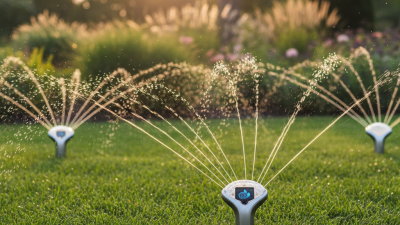
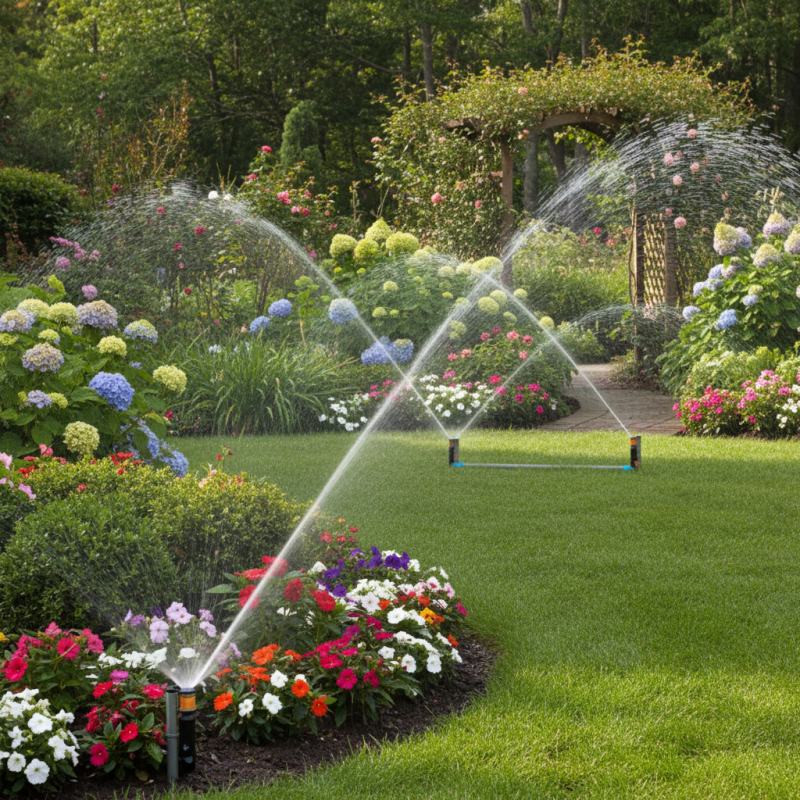
When choosing sprinkler heads for your garden, understanding the variety is crucial. Different types offer unique benefits. For example, stationary sprinklers provide consistent coverage. They are perfect for small, flat gardens. On the other hand, oscillating sprinklers allow for wider reach. They can cover both rectangular and square areas with ease.
Rotary sprinklers are another option worth considering. They rotate while spraying, ensuring a more even distribution of water. This can be particularly useful for larger gardens. Drip systems, though not traditional, are efficient for targeted watering. They help conserve water by delivering it directly to roots. However, they require more maintenance to prevent clogs.
Choosing the right type hinges on factors like garden size and plant needs. Reflecting on these aspects can improve your garden's health. If unsure, consider testing different styles. Sometimes, trial and error yields the best results. This process can be enlightening, revealing what works best for your specific environment. Remember to adjust your choices as your garden evolves.
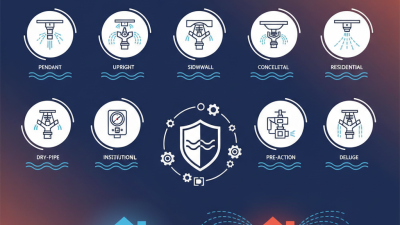
Different Types of Sprinkler Heads in Gardens
Factors to Consider When Selecting Sprinkler Heads for Your Garden
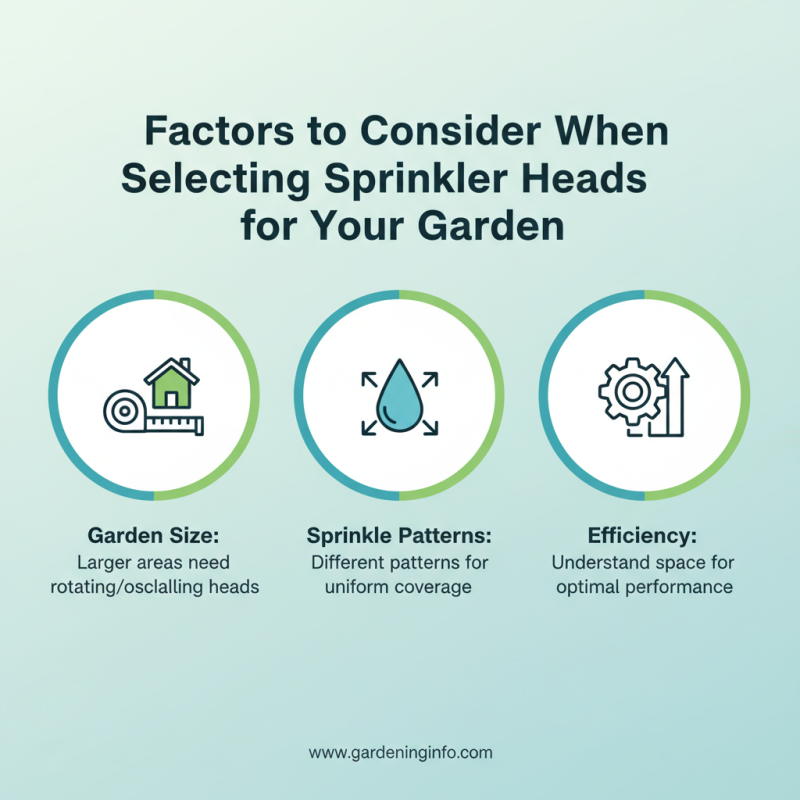
When selecting sprinkler heads for your garden, various factors play a crucial role. The size of your garden is essential. Larger areas may require rotating or oscillating heads for uniform coverage. On average, gardens can benefit from different sprinkle patterns, so understanding your space can elevate efficiency.
Water pressure is another critical aspect. According to a survey by the Irrigation Association, approximately 30% of homeowners experience low water pressure, which can affect sprinkler performance. Testing your water pressure ensures you choose heads that operate optimally. A head designed for low pressure may save water and maintain greenery with efficiency.
Consider the plant varieties in your garden. Some need more water than others. Drip systems might suit delicate plants while spray heads might be ideal for grass. Plants with high water consumption need an efficient watering strategy.
Tip: Adjust the watering schedule seasonally. During dry months, increase the watering frequency. Keep an eye on the weather; overwatering can do more harm than good.
Reflect on your choices. Not every head will fit all needs. Mixing and matching can sometimes enhance overall performance. Ensure you consistently monitor and adjust your setup for ideal results.
Evaluating Water Pressure and Coverage Area for Optimal Sprinkler Function
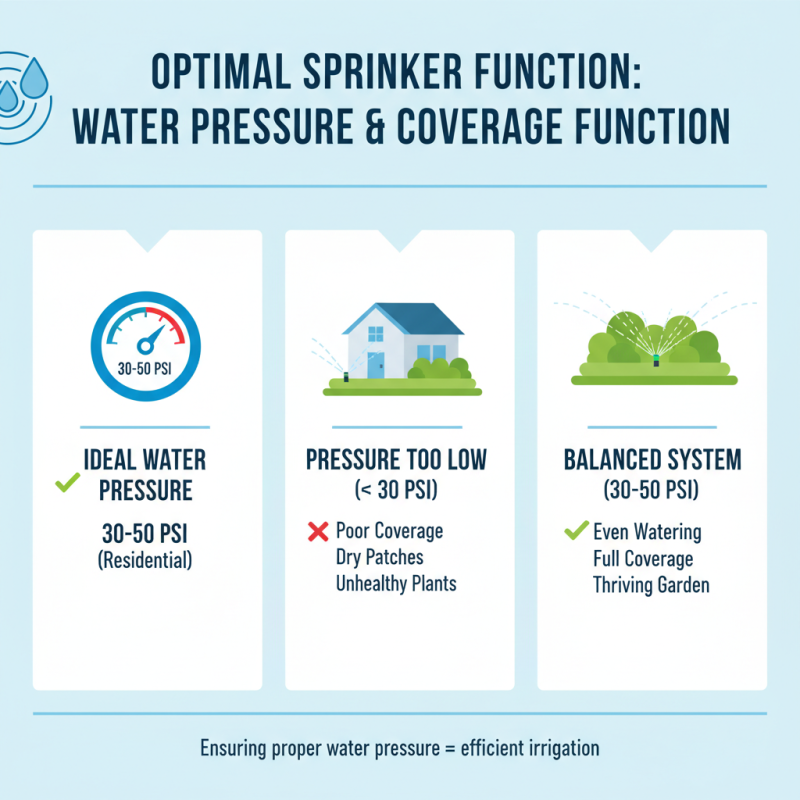
Evaluating water pressure and coverage area is essential for selecting the right sprinkler heads. Research shows that optimal water pressure for residential irrigation systems typically ranges between 30 and 50 psi. When pressure falls below this range, coverage can suffer. Sprinklers may not reach distant plants and established gardens may not get the water they need. This imbalance can lead to dry patches.
The coverage area plays a crucial role, too. Different sprinkler types excel in various settings. For example, stationary sprinklers cover smaller, defined areas, while oscillating models suit larger lawns. A 2023 report by the Irrigation Association revealed that improper coverage can waste up to 30% of water. This is significant, especially in regions facing water restrictions. Gardeners should calculate the area needing irrigation and match it with the sprinkler type.
Incorrect setup is common. Many homeowners fail to adjust sprinkler heads based on their garden layout. Comprehensive audits of your watering system can highlight weaknesses. This process can identify where pressure drops or coverage fails. Understanding these details can refine your garden's irrigation strategy and improve overall health.
Adjusting Sprinkler Head Settings for Efficient Water Distribution
Adjusting sprinkler head settings is crucial for effective water distribution in your garden. Properly configured sprinklers can save water and ensure your plants receive the right amount of hydration. Each type of plant has unique water needs. Understanding these requirements helps you avoid overwatering or underwatering.
To begin, assess the spray pattern of your sprinkler heads. Some models provide a full circle, while others spray in a half or quarter circle. Positioning and adjusting these heads can direct water to specific areas of your garden. If plants on the edges are wilting, perhaps they need a wider coverage area. You might also notice dry patches where water isn’t reaching, indicating a need for adjustment.
Moreover, consider the precipitation rate of your sprinkler. If water is pooling or running off, it’s essential to reduce the flow or change the head type. Check the settings regularly, especially after changes in the garden layout. An incorrect adjustment can lead to uneven growth. Reflecting on these aspects helps improve your garden's overall health.
Maintenance Tips for Keeping Your Sprinkler Heads in Good Condition
Maintaining your sprinkler heads is crucial for a thriving garden. Regular care ensures optimal efficiency. Research shows that properly maintained irrigation systems can reduce water waste by up to 30%. This not only conserves water but also supports healthier plants.
Check your sprinkler heads frequently for clogs or wear. Soil and debris can easily block water flow. This is an ongoing issue that many gardeners overlook. A simple annual cleaning can make a significant difference. Use a brush or garden hose to remove dirt. Don't forget to inspect the gaskets; they may crack over time.
Adjusting your sprinkler heads is another vital step. Misaligned heads can lead to uneven watering and dry patches. Studies indicate that gardens with uniform watering have a 25% better growth rate. Take the time to test your system regularly. If you notice uneven moisture, consider realigning or replacing the heads. Keeping your sprinkler system in top shape requires diligence. Explore all these common maintenance tasks to enhance your garden's health.
How to Choose the Right Sprinkler Heads for Your Garden? - Maintenance Tips for Keeping Your Sprinkler Heads in Good Condition
| Sprinkler Head Type |
Coverage Area (sq ft) |
Best Use |
Maintenance Tips |
| Fixed Spray Head |
100-300 |
Flower Beds, Small Areas |
Clean head regularly, check for clogs |
| Rotary Nozzle |
300-700 |
Lawns, Medium Areas |
Adjust spray settings, clean filters |
| Soaker Hose |
Up to 1000 |
Garden Rows, Plantings |
Inspect regularly for leaks, flush debris |
| Impact Sprinkler |
700-900 |
Large Areas, Fields |
Lubricate moving parts, check water pressure |
| Drip Irrigation |
500+ |
Fruit Trees, Vegetable Gardens |
Monitor emitters, maintain drip lines clear |