Why Choose a Sprinkler Irrigation Controller for Your Farm?
A farm can lose valuable water in minutes: a gust shifts the spray, pressure drops, or a valve stays open too long. A Sprinkler Irrigation Controller helps coordinate watering schedules, zones, and run times, giving growers more control over when water reaches the crop. It cannot correct blocked nozzles or poor system design. Still, it can make daily decisions more consistent.
The need is measurable. FAO AQUASTAT reports that agriculture accounts for about 72% of global freshwater withdrawals. That figure is global, not a farm-level promise of savings. Yet it underlines why careful irrigation management matters. A controller can use preset schedules or, in more advanced setups, weather and soil-moisture inputs. The right choice depends on crop, soil, pressure, and local conditions. There is no universal setting.
FAO Director-General Qu Dongyu’s World Food Day 2023 message was: “Water is life, water is food. Leave no one behind.” For growers, that principle becomes practical in the field: check the soil, inspect the sprinklers, and adjust the schedule when conditions change. Small corrections count. A controller is a tool, not a substitute for observation. That distinction matters, especially when a neat schedule looks convincing but the root zone remains too dry. This guide explores how a Sprinkler Irrigation Controller works, what features to compare, and where automation can fall short.
What a Sprinkler Irrigation Controller Does
Why Choose a Sprinkler Irrigation Controller for Your Farm?
What a Sprinkler Irrigation Controller Does
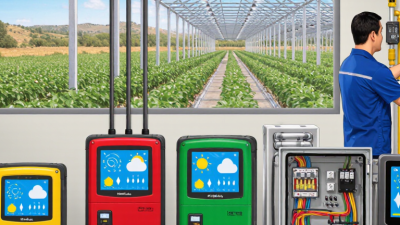
A sprinkler irrigation controller schedules when each irrigation zone runs and how long its valves stay open. The schedule can reflect crop needs, soil conditions, and the system’s flow capacity. Instead of walking to every valve, an operator can adjust run times from a central panel or connected device.
On a hot afternoon, the controller might start a field zone before sunrise, when wind is often lower and evaporation may be reduced. That matters. USDA’s National Agricultural Statistics Service reported that U.S. farms irrigated 58.3 million acres and applied 83.4 million acre-feet of water in 2018. Those figures show the scale of irrigation, not savings guaranteed by controllers. A controller’s value depends on sound schedules and well-maintained equipment.
Some systems use weather data or soil-moisture sensors to refine schedules. Others follow a basic timer, which still helps keep irrigation consistent. But automation is not judgment. A clogged nozzle, leaking line, or unexpected rain can make a neat schedule wrong. Check the field, compare actual soil moisture with the planned cycle, and adjust when conditions change. It takes attention.
What a Sprinkler Irrigation Controller Does
A sprinkler irrigation controller schedules watering and sets how long each zone runs. At a constant application rate of 10 mm per hour, longer run times deliver more water: for example, 30 minutes applies about 5 mm. Actual application rates vary by sprinkler system, so measure yours when setting a schedule.
How Controllers Schedule and Manage Watering
Why Choose a Sprinkler Irrigation Controller for Your Farm?
How Controllers Schedule and Manage Watering
A sprinkler controller works like a farm’s watering clock, but its schedule should reflect field conditions. Divide the field into zones with similar soil, crop stage, slope, and sprinkler output. Set each zone’s run time to deliver a measured amount of water, rather than choosing minutes by habit.
Sandy soil may need shorter, more frequent cycles, while heavier soil often absorbs water more slowly. Watch for runoff. Pooling near a row can mean one long cycle exceeds the soil’s intake rate. Cycle-and-soak intervals may help, but they still need checking in the field.
Controllers can run different schedules for separate zones and pause watering after rain, when paired with suitable sensors or weather data. These tools inform decisions; they do not replace inspection. A rain sensor may miss uneven rainfall across a large farm, and forecasts can change.
Check soil moisture near the roots, look for dry patches, and note any oversaturated areas. Keep a simple record of run times, rainfall, and crop response. Small adjustments often reveal more than a complicated schedule. Some settings will be wrong at first; that is a reason to review them, not to assume the controller is managing every detail automatically.
Benefits for Farm Water and Crop Management
Why Choose a Sprinkler Irrigation Controller for Your Farm?
Benefits for Farm Water and Crop Management
A sprinkler controller turns a water plan into timed field operations. It lets growers adjust run times by zone as crop demand changes, rather than relying on one fixed schedule. That matters when young plants need frequent, lighter applications, while established crops may need deeper watering. FAO’s AQUASTAT data report that agriculture accounted for about 72% of global freshwater withdrawals in 2018. Better scheduling cannot solve water scarcity, but it can help farms make each irrigation decision more deliberate.
Useful control starts with field observations. Check soil moisture near the root zone, review recent rainfall, and note wind conditions before changing a schedule. A controller can pause or shorten watering when rain is detected, if it has a working rain sensor or reliable weather input. Small details matter. A clogged nozzle, uneven pressure, or strong wind can leave one row dry while another receives excess water. University extension guidance commonly stresses matching irrigation timing to crop needs and soil conditions; a timer alone cannot do that thinking for you. It is easy to overtrust automation. Review run times regularly, and compare the wetting pattern with what plants and soil actually show.
Key Features to Compare When Choosing a Controller
Why Choose a Sprinkler Irrigation Controller for Your Farm?
Key Features to Compare When Choosing a Controller
A controller is useful only when it matches the field. FAO’s AQUASTAT water-use data attributes roughly 70% of global freshwater withdrawals to agriculture, making precise scheduling a practical priority. Compare the number of independent zones with your pump capacity and field layout. A sandy corner may need shorter, more frequent cycles than heavier soil nearby. Look for adjustable run times, seasonal scheduling, and rain or soil-moisture inputs. Small details matter. Check that sensor readings can pause irrigation rather than merely display data.
Flow monitoring can reveal a broken line or clogged sprinkler before uneven watering becomes visible. Confirm the controller supports your flow meter, valve type, and operating pressure. A clear event log also helps compare planned watering with actual runtime during a dry week. Remote access is useful where fields are distant, but dependable local controls matter when cellular service drops. No controller fixes poor nozzle placement. I would still verify coverage with catch cups after installation; that simple check can expose dry edges the dashboard misses. Compare backup power, alert settings, and whether staff can change schedules without a complicated interface. A feature list looks impressive until it fits the farm’s daily routine.
How to Install and Operate a Farm Controller
A farm sprinkler controller should be installed where it stays dry, shaded, and easy to reach. Keep it away from direct spray and standing water. Before wiring, switch off power and check the controller’s instructions, valve layout, and local electrical requirements. If the wiring or power supply is unclear, ask a qualified electrician rather than guessing. Label each zone at both the controller and valve box; wet hands and muddy lids make unlabeled wires frustrating. Test each zone.
Run the system manually before setting a schedule. Watch every sprinkler for weak flow, leaks, or heads aimed at paths instead of crops. Set watering times around soil type, crop stage, and local weather, then check moisture below the surface. A fixed schedule may look tidy but still overwater after rain or miss a dry, windy spell. Adjust it as conditions change. Keep simple notes on run times and field observations. The first settings may be wrong. That is useful feedback, not a reason to ignore what the soil shows.
Why Choose a Sprinkler Irrigation Controller for Your Farm? - How to Install and Operate a Farm Controller
Example farm setup for planning purposes. Flow rates and schedules are illustrative; confirm them against measured system output, crop needs, soil conditions, and local weather.
| Zone |
Example crop and irrigation method |
Measured zone flow |
Example run time |
Example frequency |
Estimated weekly water |
| 1 |
Vegetables; drip irrigation |
2.4 m³/hour |
1.5 hours |
3 times per week |
10.8 m³ |
| 2 |
Orchard; micro-sprinklers |
3.6 m³/hour |
2 hours |
2 times per week |
14.4 m³ |
| 3 |
Field crop; overhead sprinklers |
8.0 m³/hour |
1.25 hours |
2 times per week |
20.0 m³ |
Installation and Operating Checklist
| Step |
Task |
Practical check |
| 1. Plan zones |
Group areas with similar crops, irrigation equipment, and water requirements. Match the controller’s available stations to the planned zones. |
Confirm that each valve or zone is clearly identified on a field map. |
| 2. Mount and power |
Install the controller in a protected location and connect power and field wiring according to its instructions and applicable electrical requirements. |
Check that wiring is secure and the controller displays normally. |
| 3. Connect valves and sensors |
Connect each zone valve to its assigned station. Add compatible rain, soil-moisture, or flow sensors when available. |
Run a brief manual test for each station and check for leaks or unexpected operation. |
| 4. Enter the schedule |
Set start times, run times, and watering days for each zone. Stagger start times when zones share a limited water supply. |
Use the example schedule above only as a starting point; avoid running zones simultaneously unless the supply is sized for it. |
| 5. Review and adjust |
Inspect soil moisture and crop condition, check rainfall and weather forecasts, and update the schedule as conditions change. |
Pause or reduce irrigation after effective rainfall and investigate dry or waterlogged areas. |
Weekly water estimate = zone flow rate × run time per event × events per week. Actual irrigation needs vary with crop stage, soil, weather, system pressure, and application efficiency.