Why Choose the Right Irrigation Valve for Your Agriculture Needs?
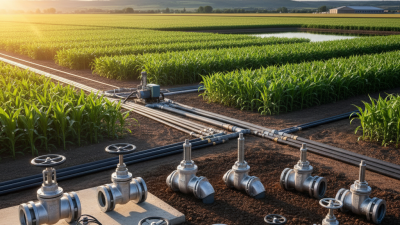
Choosing the right irrigation valve is crucial for successful agriculture. This decision impacts water efficiency and crop health. An effective irrigation valve can regulate water flow and pressure, ensuring that each plant receives the appropriate amount of water.
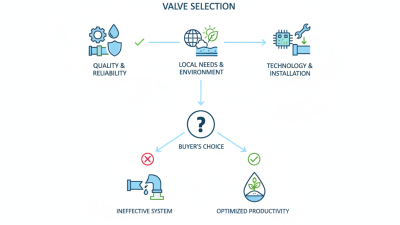
Farmers often overlook the importance of selecting the proper irrigation valve. Many choose based on price alone. However, this can lead to inefficiencies and increased costs in the long run. An inappropriate valve may waste water or fail to deliver the necessary pressure, harming crops.
Expert guidance can help in making informed choices. It is essential to consider the type of crops, soil conditions, and climate. Each factor affects the performance of an irrigation valve. Selecting the right valve can save resources and enhance yield quality. Making the right choice is not always straightforward; it requires understanding and experience. Investing time in research pays off significantly.
Understanding the Importance of Irrigation Valves in Agriculture
Irrigation valves play a crucial role in agriculture. These devices control water flow, ensuring efficient use of resources. According to the USDA, approximately 80% of the world's freshwater is used for irrigation. Choosing the right valve can enhance water management, which is vital in addressing global food demand projected to rise by 70% by 2050. Effective management of irrigation systems can significantly reduce water waste, providing a sustainable solution for farmers.
Farmers must consider various factors, such as valve type, size, and material. Different crops have unique water needs, and the appropriate valve can optimize irrigation tasks. For instance, a poorly chosen valve may lead to uneven water distribution. This often results in overwatering or underwatering crops, affecting yields. Using durable materials can extend the life of the valves, ultimately saving costs.
Research suggests that precision irrigation can save up to 30% more water compared to traditional methods. Implementing smart irrigation systems enhances efficiency further. Regular maintenance of valves is essential to prevent leaks, which account for up to 14% of water loss in some areas. Understanding the importance of irrigation valves equips farmers with the knowledge to improve their operations.
Importance of Different Irrigation Valve Types in Agriculture
This chart illustrates the significance of various types of irrigation valves in agricultural applications. The data highlights the percentage of usage and preference among farmers for different valve types such as gate valves, butterfly valves, and ball valves.
Types of Irrigation Valves and Their Functions
Irrigation valves play a crucial role in modern agriculture. Understanding the types and functions of these valves can greatly enhance water management. There are several common types of irrigation valves, each with specific uses.
Manual valves provide growers with control, allowing for hand-operated adjustments. While they are straightforward to use, they can be cumbersome in larger fields. Electric valves, on the other hand, automate the process, providing convenience. They can be programmed for specific schedules but may require a reliable power source and regular maintenance.
Another type is the pressure relief valve. It helps regulate water pressure and prevents damage to the irrigation system. However, if not installed correctly, it can lead to inefficiencies. Knowing these details helps in making informed decisions about which valve suits your needs best. Many factors, such as field size and crop type, should influence your choice.
Factors to Consider When Selecting an Irrigation Valve
Choosing the right irrigation valve is essential for effective water management in agriculture. Several factors must be considered during selection. One crucial aspect is the valve type, such as gate, globe, or ball valves. Each type has its own advantages and limitations, affecting flow rates and maintenance needs.
When assessing durability, the material of the valve plays a significant role. Plastic valves are lightweight and resistant to corrosion, but may not withstand high pressures as metal ones do. Farmers should evaluate their specific environment and water conditions to determine the most suitable material.
Consider the valve size. An incorrect size can lead to inefficiency. Smaller valves may restrict flow, while larger ones might cause excessive pressure drops. Proper sizing ensures optimal performance.
Tips: Always check for local regulations on irrigation systems. These can affect your choice of materials and designs. Regular inspections can prevent issues before they escalate. Be mindful of budget constraints; sometimes investing a bit more upfront saves money in repairs later.
The Role of Valve Size and Pressure Rating in Irrigation Efficiency
Selecting the right irrigation valve is crucial for effective agricultural practices. The size of the valve directly influences the flow rate. Experts suggest that an improperly sized valve can lead to inefficiencies, wasting up to 20% more water. Research indicates that a well-chosen valve can enhance the system's overall efficiency, maintaining optimal pressure levels.
Pressure ratings also play a significant role in irrigation efficiency. Valves with inadequate pressure ratings may fail under stress, causing leaks and system failures. According to industry reports, systems operating at their ideal pressure can reduce energy costs by up to 15%. This underscores the necessity of aligning valve specifications with system requirements to avoid costly downtimes.
Farmers often overlook these technical details, which can have long-term impacts. A mismatch between valve size and crop irrigation needs can result in over or under watering. Each situation demands careful consideration and expertise. Continuous learning and adaptation are key. Understanding the specifics of valve size and pressure ratings will empower farmers to utilize their irrigation systems more effectively, ensuring sustainability and productivity in agriculture.
Maintenance Tips for Ensuring Optimal Valve Performance in Farming
Maintaining irrigation valves is crucial for successful farming. Regular inspection helps identify leaks or blockages that can disrupt water flow. Check the valve's functionality at least once a month. This simple action can prevent larger issues later.
Cleaning is another key part of valve maintenance. Dirt and debris can accumulate, causing valves to malfunction. A quick rinse with water can keep them functional. You should also lubricate moving parts occasionally. This ensures smoother operation and prolongs the lifespan of the valves.
Don't overlook seasonal changes. Harsh weather can damage valves. Check for signs of wear and tear before each planting season. Keeping a maintenance log can help track these checks. Reflecting on the valve's performance over time can reveal patterns. This allows for timely replacements before failure occurs. The focus is on keeping everything running smoothly.
Why Choose the Right Irrigation Valve for Your Agriculture Needs? - Maintenance Tips for Ensuring Optimal Valve Performance in Farming
| Irrigation Valve Type |
Best Used For |
Maintenance Tips |
Expected Lifespan |
| Automatic Control Valve |
Large Fields with Variable Water Needs |
Regularly check and clean filters; Test remote operation periodically. |
5-10 years |
| Manual Gate Valve |
Smaller Farms & Gardens |
Inspect for debris; Lubricate moving parts annually. |
10-15 years |
| Pressure Regulating Valve |
Areas with High Water Pressure |
Check valve condition regularly; Ensure proper settings are maintained. |
7-12 years |
| Check Valve |
Preventing Backflow |
Inspect seals for wear; Clean the valve to prevent clogging. |
8-12 years |
| Solenoid Valve |
Automated Systems |
Periodically test electrical connections; Replace damaged wires promptly. |
5-8 years |