Best Landscape Irrigation Controller for Efficient Water Use?
In recent years, efficient water use has become increasingly important. A Landscape Irrigation Controller plays a crucial role in this effort. These devices help manage water distribution, ensuring plants receive the right amount. This leads to healthier landscapes and reduced water waste.
Choosing the best Landscape Irrigation Controller involves various factors. Users need to consider their specific needs. Not every controller offers the same features or benefits. Some may struggle with usability, while others excel but come with a higher price tag.
Understanding your landscape's unique requirements is essential. A reliable controller can make a significant difference in water conservation. However, not all controllers live up to their promises. It is necessary to research and compare options carefully. Mistakes in selection can result in frustration and inefficiency. Sustainable gardening depends on thoughtful choices.
Overview of Landscape Irrigation Controllers and Their Importance
Landscape irrigation controllers are essential tools for efficient water use in gardens and agricultural settings. These systems help manage water distribution based on real-time weather data and soil moisture levels. According to the USDA, nearly 60% of residential water use is allocated to landscaping. This statistic highlights the importance of using smart controllers to conserve water and reduce waste.
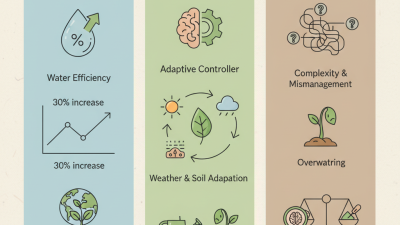
Choosing the right irrigation controller can significantly boost water efficiency. For example, a study by the EPA indicates that advanced controllers can reduce water consumption by up to 30%. This not only minimizes utility bills but also contributes to sustainable water management practices. Many systems now incorporate features such as remote monitoring and drip irrigation capabilities, making them more user-friendly and effective.
Tip: Regularly check soil moisture to calibrate your controller. Make adjustments seasonally or after heavy rainfall to prevent overwatering.
Tip: Consider integrating rain sensors into your setup. These sensors will pause irrigation during rainfall, further enhancing efficiency.
Evaluating system performance periodically is crucial. Sometimes, smaller adjustments can lead to significant improvements in water savings. Keep monitoring the landscape’s health; it may reveal areas needing better irrigation coverage or attention.
Best Landscape Irrigation Controller for Efficient Water Use
| Controller Type |
Features |
Water Savings (%) |
User Rating (out of 5) |
Price Range (USD) |
| Smart Wi-Fi Controller |
Remote access, weather-based scheduling |
30-50 |
4.5 |
150-300 |
| Solar-Powered Controller |
No electricity needed, eco-friendly |
25-40 |
4.2 |
100-250 |
| Basic Timer Controller |
Simple programming, manual override |
10-20 |
3.8 |
30-80 |
| Smart Soil Sensor Controller |
Soil moisture monitoring, data analytics |
40-60 |
4.8 |
200-400 |
Key Features to Look for in Efficient Irrigation Controllers
When looking for an efficient landscape irrigation controller, certain features stand out.
Smart scheduling is essential. This allows your system to adjust watering times based on weather conditions.
Controllers that offer real-time weather updates will ensure your plants get the right amount of water.
These adjustments can save you both water and money.
Another vital feature is soil moisture sensors.
These sensors monitor the moisture levels in the ground. They prevent overwatering and promote healthy root growth.
However, not all sensors work perfectly. Some may require recalibration or replacement.
Regular maintenance is crucial to ensure top performance.
User-friendly interfaces are also important. A simple layout makes it easy to set and change schedules.
Some controllers come with mobile apps, providing access remotely. Yet, technology can sometimes be tricky.
Connectivity issues may arise, requiring troubleshooting.
Being prepared for occasional hiccups can lead to better water management in the long run.
Types of Landscape Irrigation Controllers: A Comparative Analysis
When it comes to landscape irrigation, selecting the right controller can make a significant difference. There are primarily two types: traditional timers and smart controllers.
Traditional timers operate on a fixed schedule. They tend to waste water, especially during rainy seasons. Adjusting the schedule can be tedious, requiring manual intervention. This often leads to overwatering or underwatering, impacting plant health.
Smart controllers utilize advanced technology to optimize water use. These devices can connect to weather forecasts. They automatically adjust watering schedules based on real-time data, reducing waste. However, their initial setup can be complicated for some users. Additionally, they may require regular updates to function effectively. It's essential to review these aspects to fully leverage the benefits of smart irrigation.
Ultimately, both types of controllers have their pros and cons. It's crucial to consider your specific needs, such as landscape size and climate. Making an informed choice can lead to a thriving garden while conserving water. Improving your irrigation strategy requires ongoing assessment and adjustments. Experimenting with different systems can provide insights into what works best for your landscape.
Benefits of Smart Irrigation Controllers for Water Conservation
Smart irrigation controllers revolutionize water conservation efforts. These devices adjust watering schedules based on real-time weather data and soil moisture. This means less water wasted in rainy conditions or during cooler months. Users often report substantial reductions in their water bills after installation.
Implementing smart technology can present challenges. Some users may struggle with setup or connectivity issues. It can be frustrating to understand sophisticated settings. Education on how to maximize these systems’ benefits is necessary for many homeowners. Simple mistakes can lead to overwatering or underwatering. Regular monitoring can help optimize water savings over time.
Moreover, not all landscapes are the same. What works for one garden may not suit another. Therefore, personal adjustments are crucial for efficient use. Collecting data and observing plant responses is vital. Learning from each season provides insights that enhance water conservation practices. Building this knowledge is an ongoing process, fostering a deeper understanding of landscape needs.
Installation and Maintenance Tips for Optimal Irrigation Efficiency
When installing a landscape irrigation controller, planning is crucial. Start by assessing your landscape’s specific needs. Consider the types of plants present and their water requirements. A soil moisture sensor can help monitor these needs effectively. You should also ensure that the system covers all areas evenly to prevent dry patches.
Regular maintenance is vital for optimal irrigation efficiency. Check for clogs in the sprinkler heads or drip lines. Even a small obstruction can waste water. Scheduling routine inspections will help identify any leaks or malfunctions in the system. Remember that environmental changes can affect water needs, so adjustments might be necessary during different seasons.
Reflect on your water usage. Many homeowners over-irrigate, thinking it benefits their plants. In fact, it can lead to root rot and other issues. Keeping a journal of water use can provide insights into your consumption patterns. This practice helps in making informed decisions about your irrigation schedule.
Best Landscape Irrigation Controller: Water Efficiency Analysis