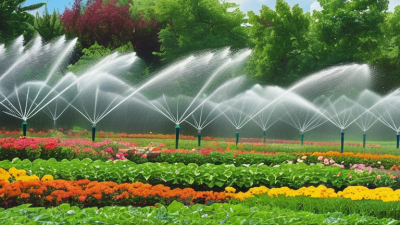
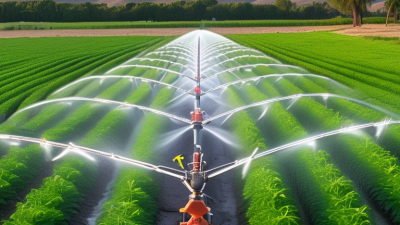
Top Benefits of Using Rotor Sprinklers for Efficient Irrigation?
Efficient irrigation is crucial for modern agriculture, and rotor sprinklers stand out as a vital tool. According to a report by the Irrigation Association, rotor sprinklers can improve water distribution efficiency by up to 30%. This efficiency not only conserves water but also supports healthier crop growth.
Dr. Emily Carter, a renowned irrigation expert, once stated, "Rotor sprinklers ensure that every drop counts." This reflects the growing recognition of rotor sprinklers in sustainable farming practices. With increased pressure on global water resources, optimizing irrigation methods is necessary. Rotor sprinklers can adapt to various terrains and crop types, making them a versatile choice for farmers.
Adopting rotor sprinklers can also lead to potential pitfalls. For instance, improper adjustments might cause uneven watering, which could hinder crop yields. This highlights the importance of proper installation and maintenance. As farmers explore the benefits of rotor sprinklers, understanding their limitations is equally crucial.
Benefits of Rotor Sprinklers in Water Conservation for Agriculture
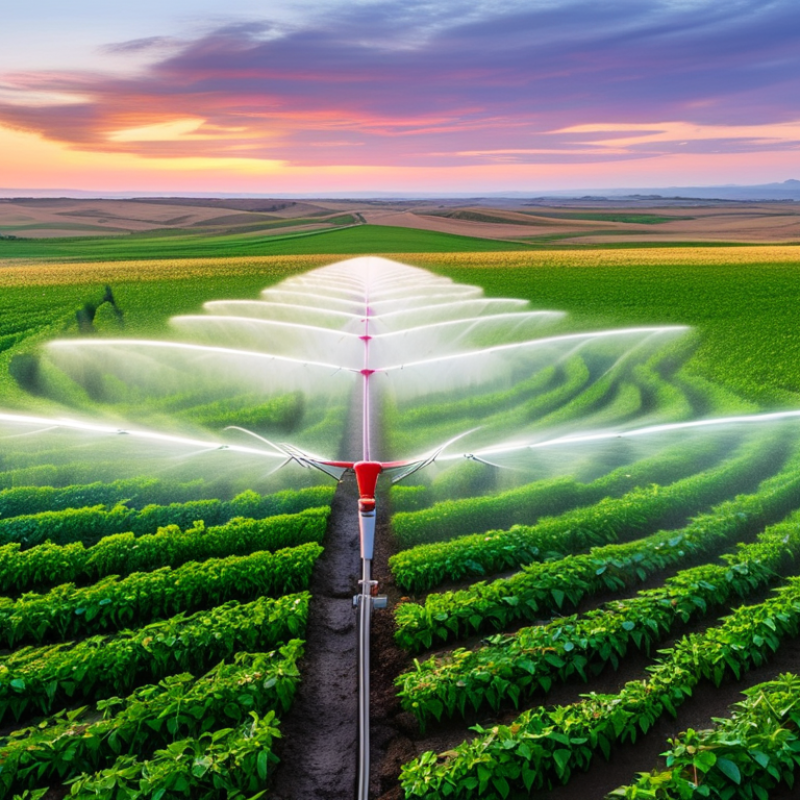
Rotor sprinklers play a crucial role in efficient irrigation systems, especially in agriculture. These sprinklers are designed to deliver water in a specific pattern. This targeted approach greatly reduces water waste, which is essential for sustainable farming practices. Farmers can control the flow rate and timing, ensuring crops receive optimal moisture without overwatering.
Water conservation becomes increasingly important as climate conditions change. By using rotor sprinklers, farmers can actively contribute to preserving this vital resource. Studies show that precision irrigation methods can reduce water usage by over 30%. This is especially beneficial in arid regions where water is scarce. However, not all rotor sprinklers are created equal. Farmers need to consider factors like spacing and water pressure for effective results.
While rotor sprinklers offer many advantages, some challenges arise. For example, maintenance can be demanding. Clogged nozzles may lead to uneven watering. Regular checks are necessary to ensure efficiency. Moreover, the initial setup costs can be steep for some farmers. Yet, the long-term benefits often outweigh these hurdles. By focusing on water conservation, rotor sprinklers can help create a more sustainable agriculture system for future generations.
Improved Crop Yields with Rotor Sprinklers: Statistics and Case Studies
Rotor sprinklers have transformed agricultural irrigation, leading to significant improvements in crop yields. According to research from the Irrigation Association, growers have reported yield increases of up to 30% after adopting rotor sprinkler systems. These sprinklers provide uniform water distribution, ensuring that every plant receives adequate moisture, which is vital for growth. In regions like California, farmers using rotor sprinklers have achieved impressive crop quality, contributing to a 15% rise in overall production.
Case studies highlight the effectiveness of rotor sprinklers. One notable example comes from a Colorado farmer who switched to this irrigation method. He documented a 50% reduction in water usage while significantly boosting the yield of his corn crops. Farmers frequently face challenges related to water scarcity and dry spells. Rotor sprinklers address these issues by allowing for precise application, adapting to various soil types, and minimizing evaporation losses. Yet, the need for regular maintenance and monitoring remains a concern.
While these advantages are compelling, not every farmer may find rotor sprinklers cost-effective. Initial installation costs can be substantial. Additionally, some users report uneven performance in specific weather conditions. Addressing these inconsistencies is vital for maximizing their benefits. As evidence mounts, it becomes crucial for growers to assess the long-term viability of rotor sprinklers in their operations.
Enhanced Efficiency: Comparison of Rotor Sprinklers vs. Traditional Sprinklers
Rotor sprinklers have emerged as a superior choice for effective irrigation, especially when compared to traditional sprinklers. A study showed that rotor sprinklers can deliver water with up to 85% efficiency, while traditional systems often only achieve around 65%. This significant difference is primarily due to rotor sprinklers’ ability to create larger droplet sizes, which minimizes evaporation and wind drift.
In addition, rotor sprinklers can cover larger areas with fewer units. This means fewer installations and maintenance needs, which can lead to cost savings. For instance, an analysis found that using rotor sprinklers could reduce water usage by nearly 30% in some landscaping projects. However, installation costs may initially be higher. Adjusting to rotor systems requires a mindset shift among users accustomed to traditional systems.
While rotor sprinklers are beneficial, they also have limitations. Poor design or maintenance can lead to uneven water distribution. This is crucial, especially in areas with diverse landscape needs. Professionals in irrigation suggest regular inspections to ensure optimal performance. Understanding these complexities is key to making informed decisions about irrigation methods.
Cost-Effectiveness: Analyzing Long-Term Savings with Rotor Irrigation Systems
Rotor sprinklers have become a popular choice for efficient irrigation due to their cost-effectiveness. They distribute water evenly across the landscape, reducing waste. This uniform coverage leads to healthier plants and lower water bills. Over time, the savings from decreased water usage can be significant. The initial investment in rotor systems pays off as they require less maintenance and last longer than many other alternatives.
Analyzing long-term savings with rotor irrigation reveals more benefits. Many homes report a reduction in their water consumption, often by up to 30%. This can lead to substantial financial gain, especially in regions with high water costs. Additionally, rotor systems often come equipped with smart technology, further enhancing efficiency. Yet, one must consider installation costs and whether this system suits their specific landscape needs.
Not all gardens are ideal for rotor sprinkler systems. In certain cases, traditional methods may still be better. Homeowners should assess their soil type and plant requirements for optimal results. It's crucial to balance initial investments with future savings. Evaluating individual circumstances will ultimately lead to better choices for both the garden and wallet.
Top Benefits of Using Rotor Sprinklers for Efficient Irrigation
This chart illustrates the cost savings over a five-year period when utilizing rotor sprinklers for irrigation. As shown, significant savings can be achieved each year, demonstrating the long-term financial benefits of investing in efficient irrigation systems.
Environmental Impact: Reducing Runoff and Soil Erosion with Rotor Sprinklers
Rotor sprinklers play a crucial role in modern irrigation systems. One of their significant benefits is their ability to reduce runoff and soil erosion. By delivering water directly to the soil, these sprinklers minimize excess water that can wash away valuable topsoil. This is especially important in areas prone to heavy rainfall.
Another advantage of rotor sprinklers is their efficiency. They can cover large areas while using less water. This efficiency helps to conserve water resources and reduce utility costs. However, improper installation can lead to uneven water distribution. This mistake can cause some areas to overwater while others remain dry. It’s essential to assess the layout carefully.
Maintaining rotor sprinklers is also vital for optimal performance. Regular checks ensure that no debris clogs the spray patterns. Neglecting maintenance can result in wasted water and potential damage to the landscape. Thus, while rotor sprinklers offer many benefits, proper practices are necessary to maximize their effectiveness in sustainable irrigation.