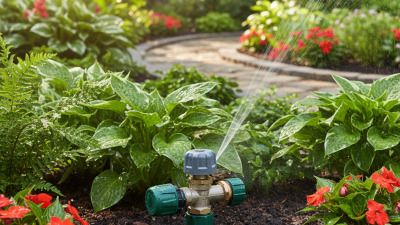
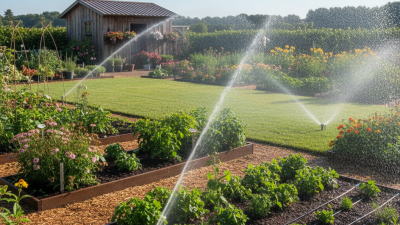
Top 5 Sprinkler Irrigation Parts You Need to Know?
In the realm of agriculture and efficient water use, understanding "Sprinkler Irrigation Parts" is crucial. Renowned expert Dr. Emily Clarke states, “The right parts can transform your irrigation system into a powerhouse of productivity.” Farmers and landscapers alike benefit from a keen knowledge of these components.
Sprinkler irrigation systems are intricate. Each part plays a vital role in ensuring optimal performance. Many overlook the importance of proper maintenance and selection of these parts. A small mistake can lead to inefficiency and waste. Identifying essential components can save time and resources. It’s not just about installation; understanding how each piece works is vital.
Additionally, many users struggle with common issues related to irrigation parts. This often stems from a lack of awareness about different options available. Selecting the best parts can improve efficiency and reduce costs over time. As you navigate this landscape, reflecting on your current system can reveal areas for improvement. Embracing knowledge about sprinkler irrigation parts will enhance your setup, ultimately benefiting your agricultural success.
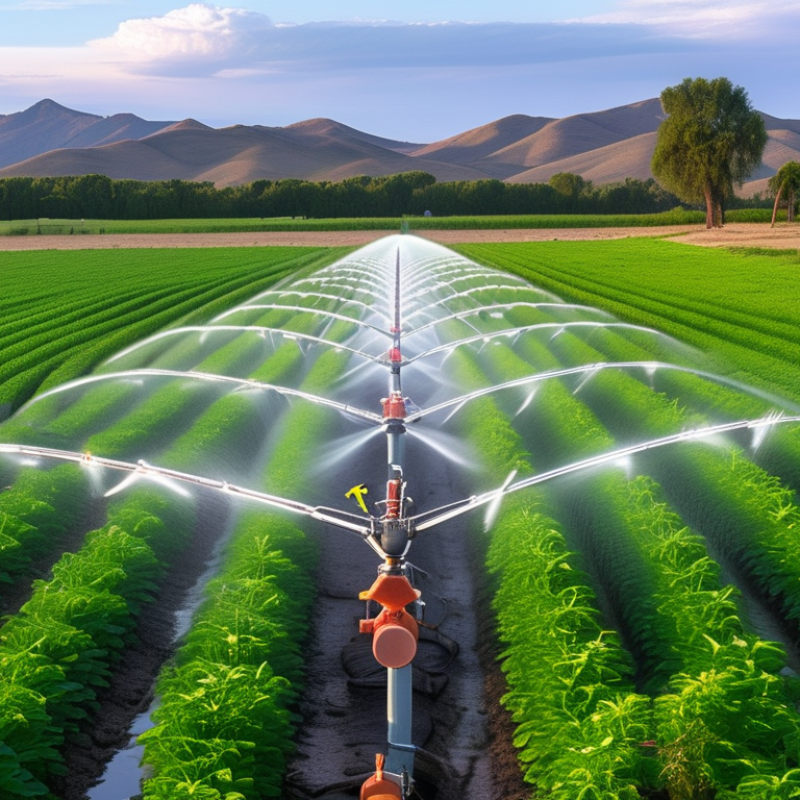
Essential Components of Sprinkler Irrigation Systems
Sprinkler irrigation systems consist of several essential components that ensure efficient water distribution. Among these, the pump plays a crucial role. It draws water from a source and creates the necessary pressure for the system. Without an efficient pump, even the best-designed system would falter.
Consider how varying water sources can affect pump selection and overall performance.
Another vital component is the sprinkler head. Various types exist, including rotating, fixed, and oscillating heads. Each type suits different landscape conditions. For example, rotary heads cover larger areas but may not work well in windy conditions. Understanding the landscape's needs is essential for optimal system performance.
The filtration system is equally important. A good filter prevents debris from clogging the sprinkler heads. This maintenance aspect can be often overlooked. Neglecting it can lead to uneven watering and water waste. Regular checks can save significant resources and improve efficiency.
While building a system, it's important to evaluate all components regularly to identify areas needing improvement.
Understanding Different Types of Sprinkler Heads and Their Functions
Sprinkler heads are essential for efficient irrigation. Understanding their types helps you select the right one for your garden. Generally, there are three main categories: stationary, rotating, and drip. Each type serves a unique function, catering to different landscaping needs.
Stationary heads distribute water in a fixed pattern. They are ideal for small, specific areas. These heads can miss spots, leading to uneven coverage. Rotating heads, on the other hand, oscillate and provide broader coverage. They can adapt to a variety of landscapes but may require more pressure to operate effectively. Drip systems focus on delivering water directly to the roots, minimizing evaporation.
Selecting the right sprinkler head can help optimize water usage. It might seem simple, but many overlook the importance of matching the head type to their landscape's needs. Over time, you may notice areas that consistently remain dry or overly saturated. This calls for a reevaluation of your setup, as every garden is unique and may require adjustments for optimal watering. Each option has its pros and cons, so consider your gardening goals before making a decision.
Top 5 Sprinkler Irrigation Parts You Need to Know
The Role of Valves in Managing Water Flow for Irrigation
Valves play a crucial role in sprinkler irrigation systems. They act as the control center for managing water flow. Properly functioning valves ensure that every area receives the right amount of water at the right time. This precision is essential for healthy crops and efficient water usage. However, not all valves operate perfectly. Blockages or mechanical failures can disrupt the system. Regular checks can help identify issues early on.
Choosing the right valve type is important. Different applications require different valve functions. Some are meant for high pressure, while others handle varying flow rates. Understanding these needs can make a significant difference. Installing a valve that does not suit the system might lead to inefficiencies. Gardeners often overlook this detail, causing frustration and wasted water.
Routine maintenance of valves cannot be neglected. Dirt and debris can accumulate, affecting performance. If valves are not checked regularly, they may fail unexpectedly. Watching for signs of wear can save time and resources. Addressing these minor problems before they escalate is a wise practice in irrigation management.
Importance of Filters in Protecting Sprinkler Systems from Debris
Filters play a vital role in sprinkler irrigation systems. They protect the system from debris, which can block water flow. This blockage can lead to uneven watering. Clogged nozzles can result in dry spots or over-watered areas. Ensuring your filter is working properly is essential for maintaining efficiency.
The importance of filters extends beyond mere function. Poor filtration can increase maintenance costs. Inadequate filtration leads to frequent repairs and replacements. Investing in high-quality filters can save time and money in the long run. You might find lower-cost options tempting, but they often compromise effectiveness.
Regular inspection of filters is crucial. Checking for wear and tear ensures they function optimally. It's also an opportunity to reflect on the system's overall performance. Are you experiencing more problems than before? This might indicate a need for better filtration solutions. Understand that even reliable systems need occasional review to maintain efficiency.
Key Accessories for Optimizing Sprinkler Irrigation Performance
When optimizing sprinkler irrigation performance, understanding the key accessories is crucial. Research shows that using the right components can increase water efficiency by up to 30%. Take pressure regulators, for example. They stabilize water pressure, preventing overwatering and ensuring plants receive consistent moisture. Not every garden needs the same pressure. Adjusting this feature can directly impact plant health.
Another essential accessory is the filter. Studies reveal that clogged emitters can reduce irrigation efficiency significantly. A well-maintained filter catches debris and ensures a steady flow. Filters require regular inspection, as neglect can lead to costly repairs. Moreover, incorporating reliable timing devices can enhance efficiency. They help manage watering schedules based on weather patterns, reducing water waste.
Surprisingly, many users overlook the importance of seasonal adjustments. What works in summer may not suffice in winter. Observations indicate that approximately 40% of irrigation systems fail because users don’t adapt to seasonal changes. Regular reviews of all components will help keep the system efficient. Neglecting these aspects often leads to poor irrigation results, wasting both time and resources.
Top 5 Sprinkler Irrigation Parts You Need to Know
| Part Name |
Function |
Materials |
Common Sizes |
Recommended Maintenance |
| Sprinkler Head |
Distributes water over a designated area |
Plastic, Brass |
1 inch, 3/4 inch |
Clean nozzles regularly |
| Control Valve |
Regulates water flow to sprinklers |
Plastic, Brass, PVC |
1 inch, 1.5 inch |
Inspect annually for wear |
| Pipe |
Carries water to the sprinkler heads |
PVC, Polyethylene |
3/4 inch, 1 inch, 2 inch |
Check for leaks periodically |
| Pressure Regulator |
Maintains consistent water pressure |
Brass, Plastic |
1 inch, 3/4 inch |
Inspect for clogs or damage |
| Timer |
Automates sprinkler operation |
Plastic, Metal |
Various sizes |
Set schedules and batteries |