Why Are Sprinkler Irrigation Parts Essential for Efficient Farming?
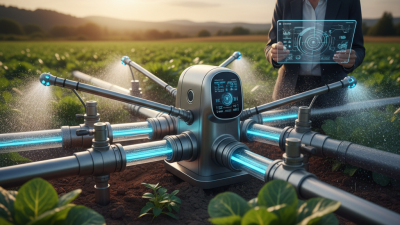
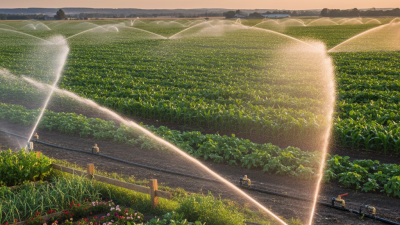
Efficient farming hinges on the use of sprinkler irrigation systems. Within these systems, Sprinkler Irrigation Parts play a crucial role. They ensure uniform water distribution across fields, maximizing crop yield and healthy growth. With the right parts, farmers can reduce water waste and save on resources.
The reliance on such parts extends beyond mere functionality. Quality components contribute to the system's longevity and overall effectiveness. When parts wear down or malfunction, inefficiencies can emerge. Farmers must remain vigilant and proactive in maintenance, recognizing the signs of wear. This awareness can prevent costly downtimes and ensure optimal performance.
Investing in high-quality Sprinkler Irrigation Parts is a decision rooted in practicality. Experienced farmers understand the importance of these components for sustainability. A well-maintained system not only supports productivity but also conserves water. Each component, from nozzles to valves, has a specific function. Ignoring their significance can lead to diminished results. Hence, meticulous attention to detail is essential for anyone looking to enhance their farming practices.
Importance of Sprinkler Systems in Modern Agriculture
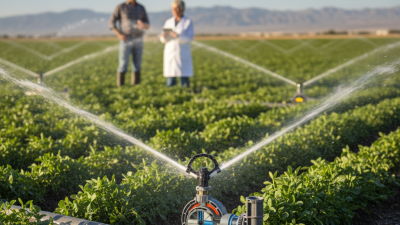
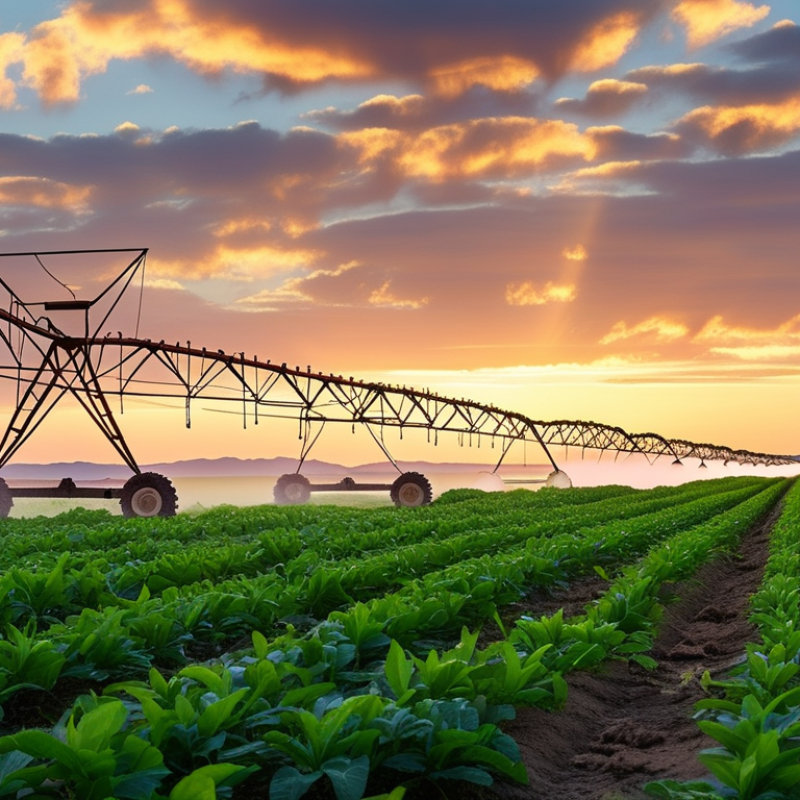
Sprinkler systems play a fundamental role in modern agriculture. They ensure even water distribution across fields, promoting healthy crop growth. With the right parts, these systems enhance efficiency and reduce waste. For farmers, this means better yields without excessive resource usage.
A well-designed sprinkler system adapts to various terrain and crop types. This adaptability is crucial in diverse farming situations. It can respond to changing weather patterns. Droughts and floods pose challenges, but effective irrigation can mitigate their impact.
Still, farmers must regularly assess their systems. Identifying worn-out parts is vital for maintaining performance. Farmers often overlook the importance of maintenance. Ignoring small leaks can lead to bigger issues and wasted water. Commitment to checking and replacing parts ensures optimal functionality.
This process demands time and effort but pays off in productivity. Understanding each component is key to maximizing the benefits of sprinkler systems.
Key Components of Sprinkler Irrigation Systems Explained
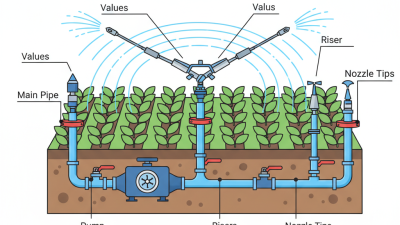
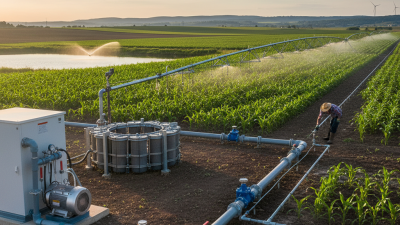
Sprinkler irrigation systems are vital for modern farming. They help deliver water evenly across fields. Each component plays a specific role in ensuring optimal efficiency. Essential parts include pumps, pipes, and sprinkler heads.
Pumps create the necessary pressure to distribute water. They need regular maintenance to operate effectively. If a pump fails, crops can suffer from inadequate watering.
[Pump Image]
Pipes transport the water from the pump to the fields. Choosing the right diameter is crucial to minimize water loss. Leaks can waste resources and increase costs.
Sprinkler heads are where the magic happens. They determine how water is released into the environment. Different designs cater to various crops and terrains.
[Sprinkler Head Image]
Adjustments may be needed based on wind and weather conditions. Each part must work in harmony for the system to be effective. Understanding their functions can lead to better crop yields and sustainable farming practices.
How Sprinkler Parts Enhance Water Distribution and Efficiency
Sprinkler parts play a crucial role in enhancing water distribution across agricultural fields. Efficient irrigation relies on precise design and functionality. Every component, from the sprays to the valves, affects how water is applied. A missing or broken part can lead to uneven watering, which results in crop stress. Farmers often overlook these details, yet they are essential for maintaining optimal growth conditions.
Adjustable nozzles are particularly valuable. They can create varying patterns, allowing water to reach different plant types effectively. Farmers can customize their systems depending on weather conditions and crop needs.
Today's systems are equipped with timers. This feature saves time and conserves water. However, if timers malfunction, water waste can occur, highlighting the need for regular maintenance checks.
Moreover, issues with pressure can disrupt the entire irrigation system. High pressure can damage plants and low pressure can lead to drought conditions. Understanding the intricacies of each sprinkler part improves efficiency and water management. It’s easy to underestimate these components. Yet, they are vital for a sustainable farming approach. Regular evaluation and adjustment of sprinkler systems can prevent costly mistakes.
Maintenance Practices for Maximizing Sprinkler Irrigation Performance
Maintaining sprinkler irrigation systems is crucial for maximizing efficiency in farming. Regular checks on components, such as nozzles and valves, can prevent costly water loss. Research shows that a well-maintained system can increase crop yields by up to 30%. Yet, many farmers neglect routine inspections, leading to diminished performance.
Proper cleaning of filters and sprinkler heads is essential. Debris buildup can obstruct water flow, causing uneven distribution. A study by the Irrigation Association highlights that just 15 minutes of maintenance each week can significantly enhance irrigation efficiency. Even small leaks, often overlooked, can waste thousands of gallons annually. This underscores the importance of vigilance in maintenance practices.
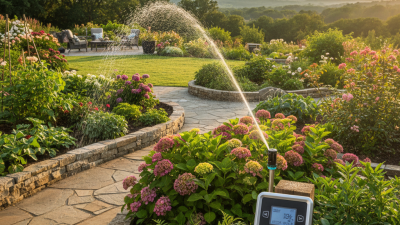
Investing in technology, such as soil moisture sensors, can also improve water usage. These devices help farmers apply water only when necessary, reducing waste. However, the initial cost may deter some. Balancing technology and maintenance can be challenging. There is always room for potential improvement. Striving for optimal irrigation performance requires commitment and ongoing reflection on practices.
Impact of Sprinkler Irrigation on Crop Yield and Resource Management
Sprinkler irrigation has a profound impact on crop yield and resource management. Efficient water delivery is crucial for healthy plant growth. Utilizing a sprinkler system ensures that water reaches crops evenly, reducing wastage. When water is applied evenly, plants develop stronger root systems and better resistance to drought. This ultimately leads to higher yields and better quality produce.
However, reliance on sprinkler systems can lead to challenges. Over-irrigation may occur if settings are not calibrated properly. This can result in waterlogged soil, which negatively affects crop health. Land management practices must be adapted to mitigate such risks. Farmers need to monitor and adjust their systems regularly. This hands-on approach can improve both efficiency and crop outcomes.
Integrating advanced technology can enhance sprinkler irrigation practices. Sensors can provide data on soil moisture levels. This data helps farmers make informed decisions about irrigation timings. However, not all farms can access this technology. It requires investment and training, which may be a barrier for some. Addressing these challenges is essential for optimizing crop yield and resource management in agriculture.
Why Are Sprinkler Irrigation Parts Essential for Efficient Farming? - Impact of Sprinkler Irrigation on Crop Yield and Resource Management
| Irrigation Component |
Function |
Impact on Crop Yield |
Resource Efficiency |
| Sprinkler Heads |
Distributes water evenly over crops |
Increases yield by up to 25% |
Reduces water waste |
| Pipes |
Transport water from source to field |
Ensures consistent water supply |
Minimizes energy costs |
| Valves |
Controls water flow and pressure |
Optimizes irrigation schedules |
Enhances water conservation |
| Timers |
Automates watering process |
Improves crop health and yield |
Reduces labor costs |
| Filters |
Removes debris from water |
Protects equipment and crops |
Lowers maintenance needs |