Top 10 Essential Irrigation System Parts You Need to Know?
Irrigation systems are essential for agriculture, affecting crop yield and water efficiency. Understanding the key irrigation system parts can improve both performance and sustainability. According to the USDA, efficient irrigation can reduce water use by 20 to 50 percent, which is critical as global water resources become increasingly limited.
Farmers often overlook the importance of specific components in their irrigation setup. Efficient operation relies on pumps, valves, pipes, and emitters, among others. A failure in any part can lead to water wastage or crop stress. Mismanagement of irrigation system parts costs the agriculture industry millions annually. A report from the International Journal of Agricultural Science notes that over 30% of farming losses stem from irrigation inefficiencies.
Investing in high-quality parts can lead to long-term savings. Regular maintenance and timely upgrades are vital. Understanding the role of each irrigation system part is not just helpful; it is necessary to maximize agricultural productivity and ensure environmental sustainability. As farmers become more aware of these components, they can cultivate more resilient farming practices.
Key Components of an Irrigation System Explained
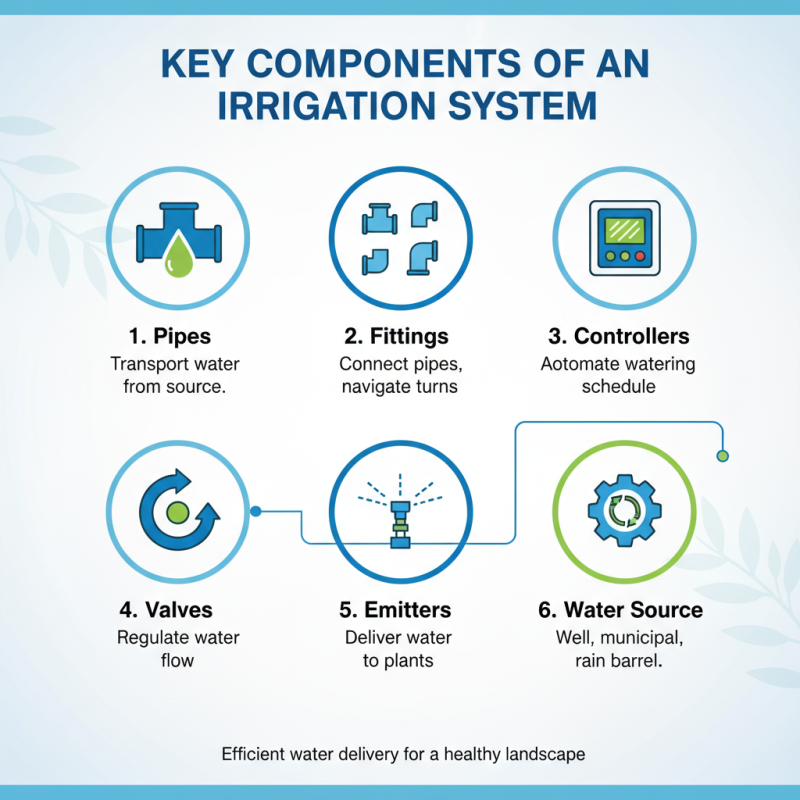
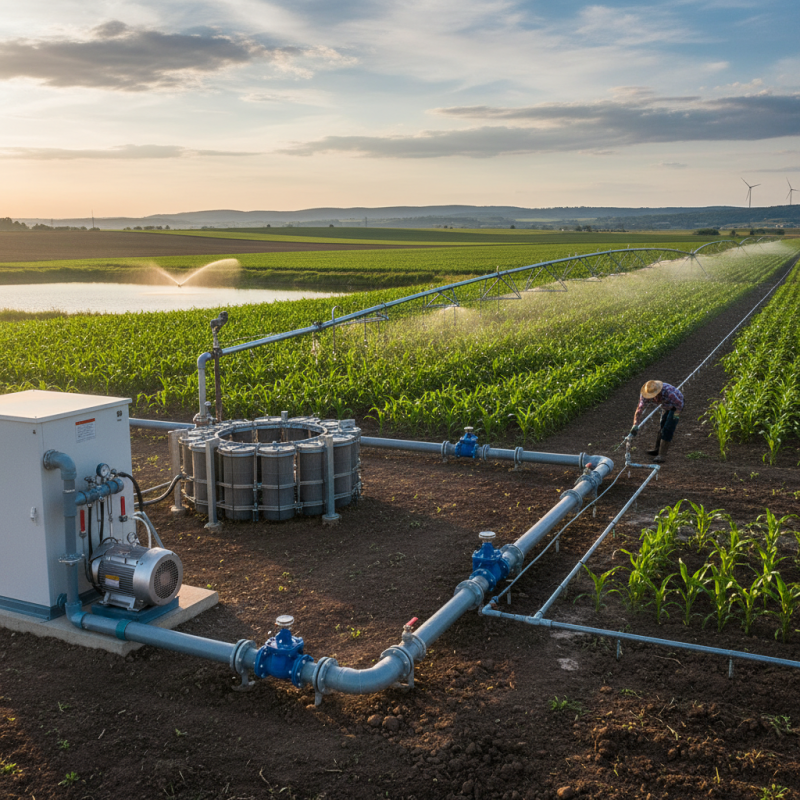
An efficient irrigation system relies on key components that work in harmony to deliver water effectively. A properly designed system includes pipes, fittings, controllers, valves, and emitters. Each part plays a vital role in ensuring the system functions smoothly and efficiently. For example, pipes transport water from the source to various parts of the landscape. Fittings connect these pipes and help navigate turns and joints.
Controllers manage the timing and amount of water distributed, ensuring plants receive the right amount. Valves are essential for controlling flow rates and preventing leaks, helping maintain sustainability. Emitters, like drip lines or sprinklers, determine how water reaches the plants. These components need regular checks, as wear and tear can lead to inefficiency. Small leaks can waste significant water, often unnoticed.
Gardeners may overlook the importance of each piece. Missing or damaged components create imbalances in water allocation. Over time, this can affect plant health and yield. Understanding how each component interacts is essential for maximizing irrigation efficiency. This knowledge helps in making informed decisions about maintenance and upgrades.
Types of Irrigation Systems and Their Unique Parts
Irrigation systems are essential for effective agriculture. Understanding their unique components is vital for maintaining efficiency. Various types of irrigation systems have different parts that serve specific functions. For instance, drip irrigation relies on emitters to deliver precise amounts of water to plants. These emitters can improve water efficiency by 30-50%, according to industry reports. On the other hand, sprinkler systems utilize a network of pipes and spray heads. They cover larger areas but may require more maintenance.
In recent studies, it was found that almost 60% of farmers underestimate the importance of regular checks on these parts. A single malfunctioning component can lead to water wastage. Valve failures are common in both drip and sprinkler systems. Users often overlook them, leading to increased operational costs. Choosing the right system and understanding its parts can significantly influence yield. Research shows that systems tailored to specific crop needs can double production efficiency.
Not all farmers are aware of the latest technologies available. Soil moisture sensors are becoming increasingly popular but are still underutilized. These devices offer real-time data, helping farmers optimize their irrigation schedules. Despite their benefits, some users find technology challenging and may hesitate to adopt it fully. Addressing these issues requires ongoing education in the field.
Essential Functions of Irrigation System Valves and Controllers
Irrigation system valves and controllers play a crucial role in maintaining healthy landscapes and gardens.
These components regulate water flow, ensuring plants receive the right amount of moisture.
Valves can be manual or automatic, with each type affecting water distribution.
Automatic valves can save time, while manual ones offer more control over irrigation schedules.
Controllers are the brain of the system.
They manage when and how long each zone is watered.
Smart controllers can even adjust schedules based on weather conditions.
This technology helps prevent overwatering, which can harm plants and waste resources.
However, understanding these tools can be challenging for beginners.
Improper installation or programming can lead to inefficiencies. Many users face issues because they overlook soil types or plant needs.
Each garden is unique, and customization is key.
Regular maintenance and checks are essential to ensure everything functions well.
Investing time in learning how these parts work can vastly improve irrigation efficiency.
Understanding Drip Irrigation Parts for Efficient Watering
Drip irrigation is a crucial method for efficient watering in agriculture and gardening. Understanding the essential parts of drip irrigation is key to achieving optimal results. According to industry reports, using a well-designed drip system can reduce water usage by up to 70% compared to traditional methods.
The main components include emitters, tubing, filters, and pressure regulators. Emitters deliver the right amount of water directly to the roots. Tubing acts as the main transport channel for water. Regularly checking filters ensures that dirt and sediment do not clog the system. Pressure regulators help maintain the right pressure, which is vital for effective watering.
Tip: Regularly inspect your emitters for clogs. This simple practice can prevent water waste and ensure plants get the hydration they need.
Not all components are created equal. Some may wear out faster than anticipated, leading to issues. For instance, tubing may degrade due to UV exposure over time. Being aware of these issues is crucial. Keeping spare parts on hand can save time and resources in emergencies.
Tip: Keep a maintenance log of your irrigation system. Documenting repairs and replacements can help manage and predict problems, making your watering strategy more efficient.
Maintenance Tips for Irrigation System Components
Irrigation systems are crucial for efficient water usage in agriculture. However, proper maintenance is often neglected. According to industry reports, about 30% of water is wasted due to faulty components. Regular maintenance can reduce this waste significantly.
Key components like valves, pumps, and filters require specific attention. For instance, clogged filters can hinder water flow, reducing system efficiency. Routine checks can prevent costly repairs. Data indicates that replacing a faulty valve promptly can save up to 15% in water usage.
Moreover, it's essential to monitor the system for leaks. Even minor leaks can lead to severe water loss. Regular inspections and periodic testing can help detect issues early. Record-keeping is vital; it tracks changes over time. Implementing a maintenance schedule can enhance the lifespan of your irrigation system. Take time to reflect on the current status of your system.
Top 10 Essential Irrigation System Parts You Need to Know
| Part Name |
Function |
Maintenance Tips |
Lifespan (Years) |
| Pump |
Moves water from the source to the system |
Regularly check for leaks and clean filters |
5-15 |
| Controller |
Automates watering schedules |
Update settings seasonally and check for malfunctions |
5-10 |
| Emitter |
Delivers water directly to the plant root zone |
Flush periodically to prevent clogging |
3-7 |
| Filtration System |
Removes impurities from water |
Inspect and clean filters regularly |
5-10 |
| Valves |
Controls the flow of water |
Test operation and replace damaged parts |
5-10 |
| Pipes |
Convey water throughout the system |
Inspect for leaks and replace damaged sections |
10-30 |
| Sprinklers |
Distributes water over the area |
Clean heads and adjust spray patterns |
5-10 |
| Pressure Regulator |
Maintains consistent water pressure |
Check periodically for proper operation |
5-7 |
| Backflow Preventer |
Prevents contamination of water supply |
Inspect yearly for function and replace as necessary |
5-10 |