What Is an Irrigation System Sprinkler?
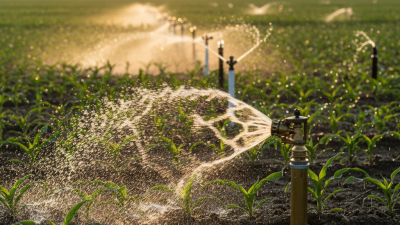
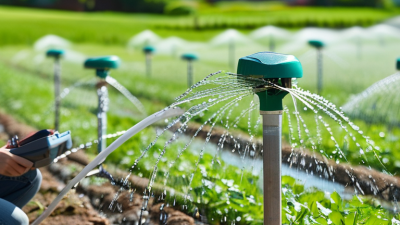
An irrigation system sprinkler is a device that distributes water across soil, plants, or landscaped areas. It connects to a water supply through pipes, valves, and control components. When activated, the sprinkler releases water through a nozzle or rotating mechanism. The result resembles steady rainfall, but the coverage is engineered rather than natural.
Irrigation System Sprinklers come in several forms, including pop-up, impact, gear-driven, and rotary models. Each type suits different spaces, pressures, and planting needs. A pop-up sprinkler may disappear beneath turf after use. An impact sprinkler can throw a visible stream across a large lawn. Small details matter, such as nozzle size, spray distance, water pressure, and wind exposure. I have seen uneven watering caused by one blocked nozzle, even when the rest of the system worked correctly. That simple fault can leave dry brown patches beside muddy soil.
A reliable system does more than spray water. It applies the right amount at a useful rate, reduces runoff, and supports healthier root growth. Professional irrigation planning usually considers soil texture, slope, plant type, seasonal weather, and local water conditions. These factors deserve attention because no landscape behaves exactly like a diagram. The simplest layout may still require adjustment. Regular inspections can reveal leaks, broken heads, tilted nozzles, or overspray onto paths. Smart controllers and rain sensors may improve efficiency, though they are not substitutes for practical observation. A sprinkler system should be tested at ground level, not judged only from a distance. Small corrections often make the largest difference.
Definition and Purpose of an Irrigation System Sprinkler
What Is an Irrigation System Sprinkler?
Definition and Purpose of an Irrigation System Sprinkler
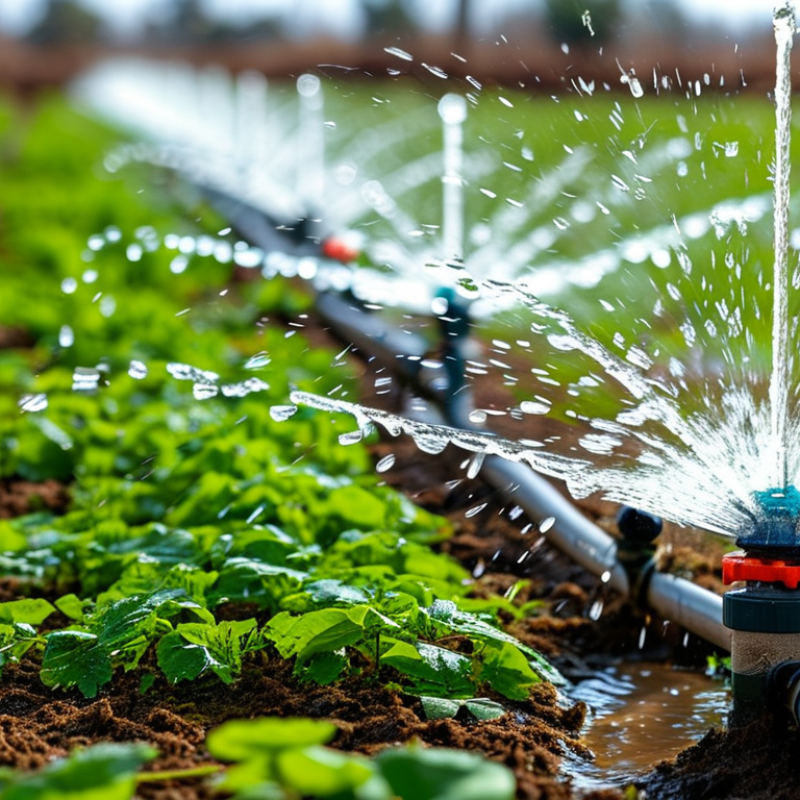
An irrigation system sprinkler is a device that distributes water across soil or plants. It converts pressurized water into droplets, spray, or rotating streams. Sprinklers may use fixed nozzles, rotating heads, impact arms, or small pop-up bodies. Their shared purpose is controlled coverage.
A properly selected sprinkler supports plant health while limiting runoff and evaporation. The FAO AQUASTAT database reports that agriculture uses about 70% of global freshwater withdrawals. This figure makes efficient field application important, even in small landscapes. The U.S. Environmental Protection Agency also notes that landscape irrigation can represent nearly one-third of residential water use. A sprinkler does not automatically save water. Pressure, nozzle size, wind, soil type, and spacing all affect performance.
Tips: Measure the actual precipitation rate before setting a controller. Place shallow containers around the coverage area, run the system briefly, and compare water depths. Check for misting, broken nozzles, and dry corners. Morning irrigation usually reduces evaporation. Avoid watering hard surfaces. Small adjustments matter.
Uniformity is the practical test. Water should reach the root zone without creating puddles. In field evaluations, distribution uniformity helps reveal weak coverage and excessive application. Yet no design is perfect. Wind changes patterns, and compacted soil may reject water quickly. A professional audit should include pressure testing, catch-can measurements, and seasonal adjustments. One overlooked issue remains common: a visually green lawn may still receive more water than its roots can use.
What Is an Irrigation System Sprinkler?
An irrigation system sprinkler distributes water over a landscape or crop area in a controlled pattern. The chart compares representative water application rates for common sprinkler types.
Application rates are typical representative values and can vary with nozzle size, pressure, spacing, and system design.
Water Distribution Patterns and Coverage Factors
What Is an Irrigation System Sprinkler?
Water Distribution Patterns and Coverage Factors
An irrigation system sprinkler delivers water through a nozzle, creating a planned pattern across soil or planted areas. Its performance depends on more than spray distance. Pressure, nozzle shape, spacing, wind, slope, and soil texture all influence coverage.
A full-circle sprinkler spreads water evenly around its center. Part-circle models suit corners and narrow planting beds. In field checks, overlapping spray by about 50% often improves uniformity. Without overlap, dry stripes can appear between sprinklers. Too much overlap, however, may create puddles and waste water.
Wind changes the pattern quickly. Fine droplets drift toward paths, walls, or neighboring areas. Larger droplets usually resist wind better, but they can compact bare soil. Pressure also matters. Low pressure may produce weak streams, while excessive pressure creates mist and uneven reach. That balance is easy to overlook.
Placement should match the area’s shape. Sprinklers near boundaries should limit overspray. Sloped ground may need shorter watering cycles to reduce runoff. Sandy soil accepts water quickly, while clay soil needs slower application. A simple catch-can test can reveal weak zones: place identical containers around the area, run the system, and compare water depths. Real sites rarely behave perfectly. I still recheck coverage after pruning, seasonal wind changes, or nozzle adjustments. Some dry spots reflect poor soil, not a sprinkler fault.
Installation, Maintenance, and Common Applications
What Is an Irrigation System Sprinkler?
Installation, Maintenance, and Common Applications
An irrigation system sprinkler distributes water through pipes, valves, and spray heads. Its design should match soil type, pressure, plant density, and local climate. A practical installation begins with a pressure test, not a shovel. Low pressure creates weak coverage, while excessive pressure produces mist and uneven watering. Installers should map head-to-head coverage and keep spray away from walls and walkways. The U.S. Environmental Protection Agency’s WaterSense program reports that landscape irrigation can waste up to 50% of supplied water through evaporation, runoff, and overwatering. That figure makes layout accuracy essential.
Maintenance is usually simple, but it is often neglected. Check clogged nozzles, cracked heads, leaking valves, and tilted spray bodies each month. A screwdriver can reveal a small problem before it becomes a saturated patch. Seasonal inspection also helps adjust watering schedules after rainfall or temperature changes. In my experience, controllers are commonly set too aggressively. The lawn looks healthy, but the soil stays shallow and dependent on frequent watering. I still find this easy to misjudge.
Sprinklers serve residential lawns, public gardens, sports fields, nurseries, and selected agricultural plots. Rotating heads suit larger turf areas, while fixed sprays work better around narrow planting beds. Drip systems may outperform sprinklers near shrubs or roots. The Food and Agriculture Organization reports that agriculture accounts for roughly 70% of global freshwater withdrawals, so application efficiency matters beyond household landscapes. Weather sensors and soil-moisture checks can reduce unnecessary cycles, although sensors also require correct placement and calibration.