What is an Irrigation Head and How Does It Work?
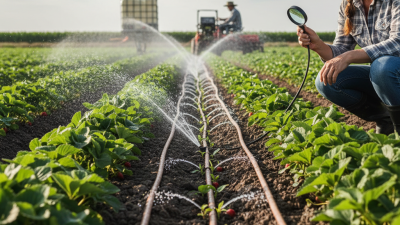
Irrigation heads play a crucial role in modern agricultural practices. These devices regulate water flow and distribution, ensuring that crops receive adequate hydration. Various types of irrigation heads exist, catering to different landscapes and crop requirements. Understanding how these heads work can empower farmers to optimize their irrigation systems.
The design and functionality of irrigation heads can vary significantly. Some use pressure to distribute water evenly, while others focus on providing specific spray patterns. The choice of irrigation head impacts water efficiency and crop yields. However, selecting the right type is not always straightforward.
Farmers must consider local conditions, crop types, and water availability. Many face challenges in achieving the perfect balance. Testing different heads can provide insights but may come with trial and error. Overall, irrigation heads are essential tools in achieving effective farm management.
What is an Irrigation Head?
The irrigation head is a crucial element in the irrigation system. It is responsible for distributing water evenly across the fields. Understanding its design and function helps farmers optimize their watering techniques. Typically, an irrigation head consists of a flow control mechanism and multiple outlets. This arrangement ensures that water flows at the right pressure and in the desired direction.
When choosing an irrigation head, consider the type of crop and soil condition. Different plants require different water levels. Not all heads are created equal; some may lead to uneven distribution. Adjusting the height and angle can make a difference.
**Tips:** Regularly check for clogs in the irrigation head. This issue can significantly impact efficiency. Additionally, monitor water pressure to avoid overwatering. Implementing periodic inspections can prevent costly repairs down the line. Adapting your irrigation head to seasonal changes can also enhance water conservation strategies.
Irrigation Head Types and Their Flow Rates
The Components of an Irrigation Head System
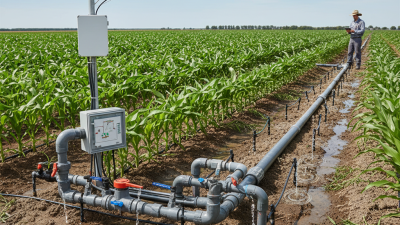
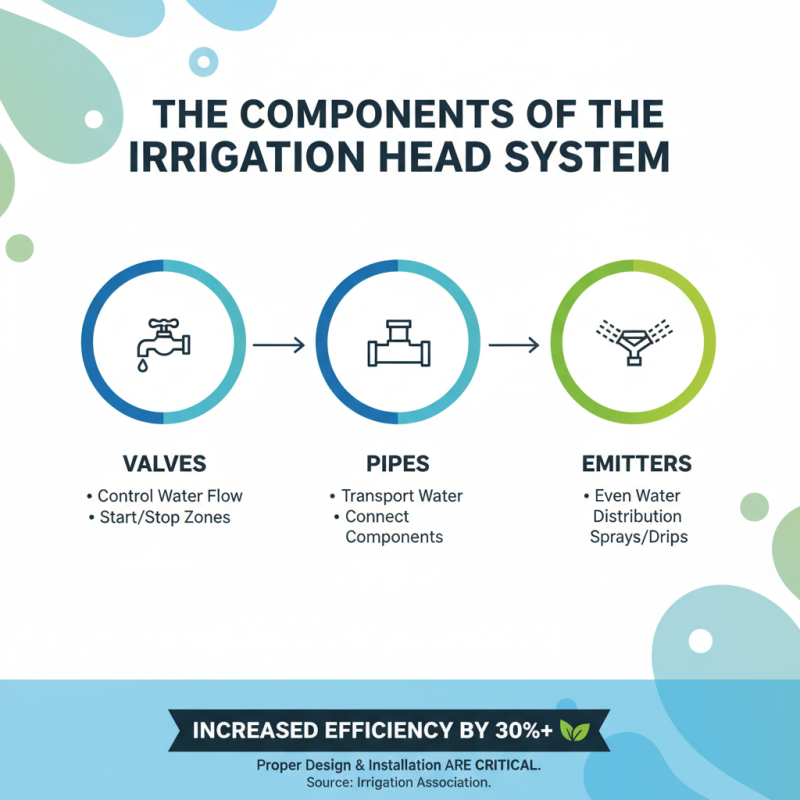
An irrigation head system consists of several critical components. The main parts include valves, pipes, and emitters. Each element plays a role in ensuring water is evenly distributed. According to the Irrigation Association, proper design and installation can increase efficiency by over 30%. This makes it essential for farmers and landscapers.
The valves regulate water flow. They can adjust pressure, which helps control the amount of water delivered. Pipes carry water to specific areas, while emitters release it slowly. Inconsistent flow can lead to uneven watering, affecting crop health. Installing pressure compensating emitters can significantly reduce this risk.
Data from a 2022 report by the USDA shows that nearly 60% of irrigated farms still face water management challenges. Many practices remain outdated, lacking efficiency. There is much room for improvement in water conservation and distribution methods. Observing the performance of an irrigation head system can reveal opportunities for better practices and technology utilization.
How Irrigation Heads Distribute Water Efficiently
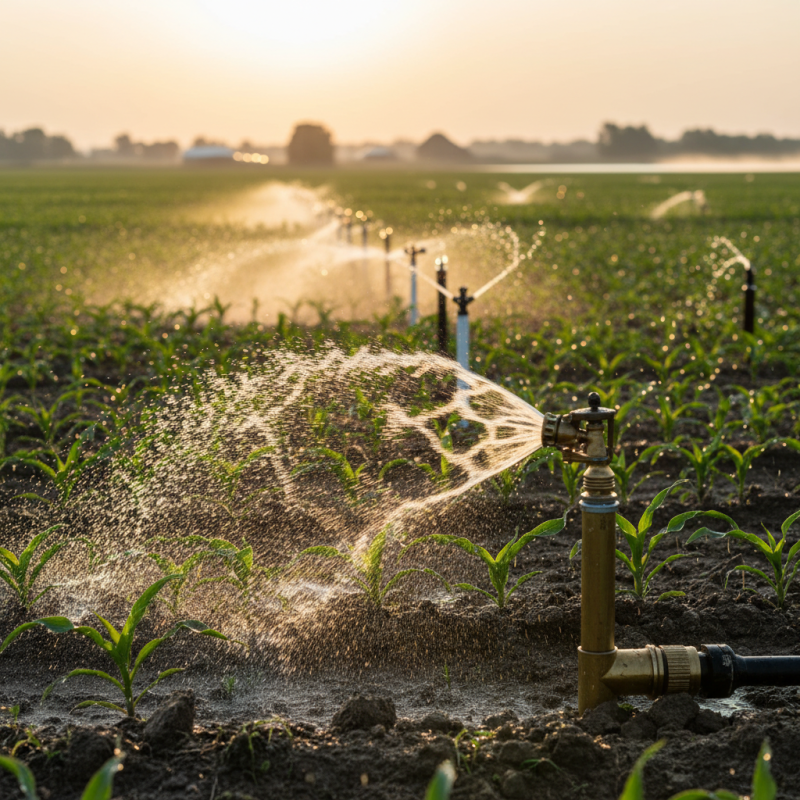
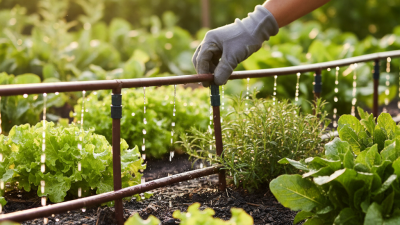
Irrigation heads are essential tools for distributing water in agricultural settings. They work by using a network of pipes and valves to deliver water to crops. The design of these heads allows for precise control over water flow. This efficiency stimulates plant growth and conserves resources. When positioned correctly, irrigation heads offer uniform coverage.
However, achieving optimal distribution is not always straightforward. Factors like soil type and crop needs can complicate matters. If the heads are misaligned or clogged, uneven watering may occur. This can lead to dry patches or overwatered areas. Regular maintenance is crucial, yet often neglected. A simple check can prevent wastage and improve yields.
Effective irrigation ensures that plants receive the right amount of water. Too little can stunt growth, while too much can drown roots. Understanding the specific requirements of different crops is vital for any farmer. Each type of plant may need different water levels, making this a constant learning process. Adjustments based on weather conditions also play a significant role in successful irrigation.
What is an Irrigation Head and How Does It Work? - How Irrigation Heads Distribute Water Efficiently
| Irrigation Head Type |
Water Flow Rate (GPM) |
Coverage Area (sq ft) |
Spray Pattern |
Optimal Pressure (PSI) |
| Rotary Sprinkler |
1.5 - 3.5 |
2,000 - 4,000 |
Full Circle |
30 - 70 |
| Drip Irrigation |
0.5 - 2 |
30 - 100 |
Localized |
10 - 25 |
| Spray Head |
1 - 3 |
1,000 - 3,000 |
Adjustable |
30 - 50 |
| Soaker Hose |
0.5 - 1.5 |
50 - 200 |
Continuous |
15 - 30 |
Types of Irrigation Heads and Their Applications
Irrigation heads play a pivotal role in agricultural efficiency. Various types cater to distinct needs and applications. Common types include pivot sprinklers, drip lines, and micro-sprayers. According to the USDA, over 50% of crop yield depends on proper irrigation methods.
Pivot sprinklers are designed for large areas. They rotate around a central pivot, ensuring even water distribution. Farmers typically use these heads for field crops like corn and wheat. However, their efficiency declines in windy conditions, leading to uneven watering and possible wastage.
Drip irrigation heads deliver water directly to plant roots. This method minimizes evaporation and runoff. Research shows that drip irrigation systems can increase water efficiency by 30% or more compared to traditional methods. While effective, they require regular maintenance to prevent clogging. Some farmers report challenges in system setup and initial costs. Understanding each type's strengths and weaknesses allows for better decision-making in irrigation strategies.
Factors Influencing the Performance of Irrigation Heads
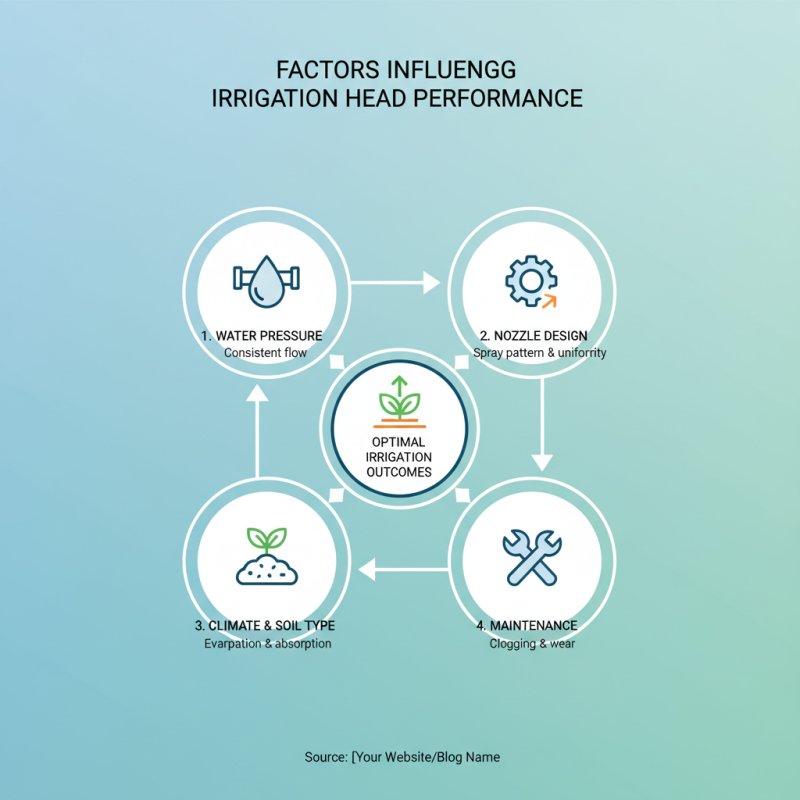
Irrigation heads play a crucial role in agricultural efficiency. They distribute water to crops, ensuring even coverage. Several factors can influence their performance, leading to better or worse irrigation outcomes.
Water pressure is key. High pressure can lead to uneven distribution, while low pressure may cause insufficient coverage. Soil type affects how well water penetrates. Sandy soils drain quickly, while clay retains moisture longer. Adjusting the irrigation head type according to these factors is essential for optimal results.
**Tips:** Monitor soil moisture regularly. This can help adjust irrigation schedules. Ensure your irrigation system aligns with crop needs through seasonal changes. Regular maintenance of irrigation heads prevents clogs and inefficiency.
Climate also plays a role. Hotter climates may require more frequent irrigation. Wind can disrupt water flow, creating uneven watering patterns. Understanding local weather conditions can enhance irrigation planning.