Why Are Fixed Sprinkler Systems Essential for Fire Safety?
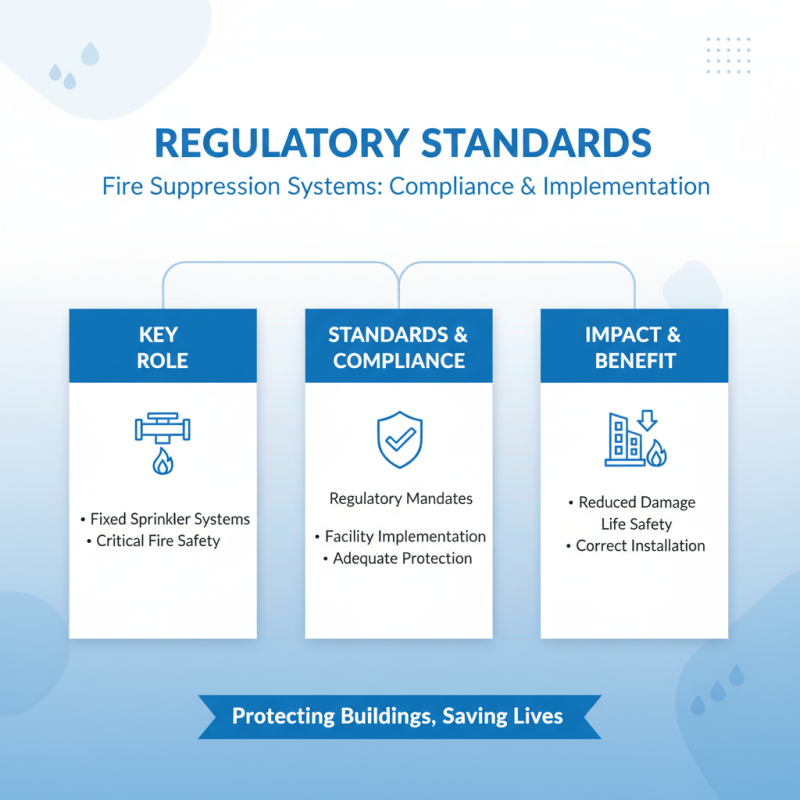
In the realm of fire safety, Fixed Sprinkler systems have become a pivotal component. According to a report from the National Fire Protection Association (NFPA), these systems can reduce the risk of death in a fire by 82%. This statistic highlights their critical role in safeguarding lives and property.
Dr. Jennifer Lee, a renowned fire safety expert, emphasizes, "Fixed Sprinkler systems are a proactive measure that can save lives and minimize damage." Her insights reflect industry consensus on the necessity of such systems. In recent years, many organizations have adopted these solutions, recognizing that early fire suppression is vital.
There are challenges, however. Not all buildings are equipped with Fixed Sprinkler systems. Expensive installation costs deter some property owners. Additionally, maintenance issues can compromise their effectiveness. Understanding these challenges is important for improving fire safety practices and encouraging broader adoption of Fixed Sprinkler systems.
The Importance of Fire Safety in Commercial and Residential Buildings
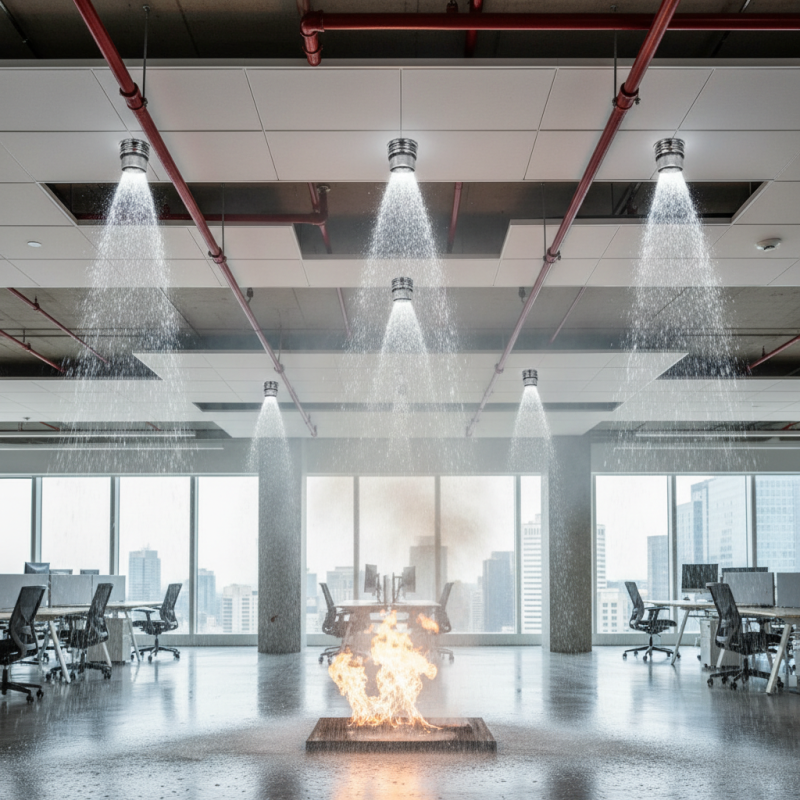
Fire safety is critical in both commercial and residential buildings. A fire can spread rapidly, causing devastating consequences. Installing fixed sprinkler systems can save lives and property. These systems work automatically, spraying water when heat is detected. They act as the first line of defense against flames.
Tips: Ensure that your fixed sprinkler system is regularly inspected. Neglecting maintenance can lead to failures when needed most. Educate everyone in the building about fire safety procedures. This can include evacuation plans and the significance of sprinklers.
In residential settings, many overlook the importance of fire safety. People often think their home is safe. However, fires can arise from everyday activities like cooking or heating. This common oversight can lead to tragic outcomes. Understanding the risks is crucial for prevention and protection.
Tips: Install smoke alarms on each level of your home. Test them monthly to ensure they function properly. Practice fire drills with your family at least once a year. Create a designated meeting spot outside the home. Awareness and preparation are vital for ensuring everyone’s safety.
Understanding Fixed Sprinkler Systems: Components and Functionality
Fixed sprinkler systems are critical for fire safety in buildings. These systems consist of several key components. The primary parts include the sprinkler head, piping, and control valves. The sprinkler head activates when exposed to heat. It releases water to suppress flames. The piping transports water from a reliable source. Control valves manage water flow during an emergency.
Understanding how these systems function is vital. Regular maintenance is necessary. Inspecting sprinklers ensures they work during a fire. However, there are challenges. Dust and debris can obstruct sprinkler heads. Inadequate water pressure diminishes effectiveness. Even well-installed systems can fail without proper upkeep.
The effectiveness of fixed sprinkler systems often depends on their design and installation. A well-designed system considers building layout and potential fire hazards. It is essential to consult with fire safety experts during this process. Yet, poorly executed designs can lead to issues. This can put lives at risk. Therefore, continuous evaluation of system performance is crucial in ensuring fire safety.
Statistical Overview: Effectiveness of Sprinkler Systems in Fire Incidents
Fire sprinkler systems play a vital role in enhancing safety during fire incidents. According to the National Fire Protection Association (NFPA), these systems reduce fire-related deaths by approximately 87%. This statistic highlights their effectiveness in life preservation. In commercial properties, sprinklers installed in buildings can lower property damage by nearly 70%.
The presence of sprinkler systems not only protects lives but also mitigates financial losses. A report from the National Institute of Standards and Technology shows that each dollar spent on sprinklers saves roughly $4 in firefighting costs and property damage. Yet, awareness and installation remain inconsistent. Many older buildings still lack these systems, leaving occupants vulnerable.
Despite advancements, some challenges persist. Not all sprinkler systems are designed equally, and maintenance can be overlooked. A survey indicated that 30% of property owners fail to conduct regular inspections. Ensuring compliance and proper functionality is essential for maximizing safety. These areas require reflection and action to improve overall fire safety standards.
Statistical Overview: Effectiveness of Sprinkler Systems in Fire Incidents
| Incident Type |
With Sprinkler Systems (%) |
Without Sprinkler Systems (%) |
Average Damage (USD) |
| Residential Fires |
80 |
40 |
$25,000 |
| Commercial Fires |
85 |
50 |
$75,000 |
| Industrial Fires |
90 |
70 |
$150,000 |
| Warehouse Fires |
88 |
65 |
$120,000 |
| Hospital Fires |
92 |
55 |
$200,000 |
Cost-Benefit Analysis: Investment and Long-Term Savings for Businesses
Investing in fixed sprinkler systems can transform fire safety management.
A comprehensive report by the National Fire Protection Association shows that these systems can reduce
fire-related property losses by up to 71%. This statistic is a clear indicator of their effectiveness.
Many businesses underestimate the importance of upfront costs. The initial installation might seem steep,
yet this expense pales in comparison to potential fire losses and insurance premiums.
Consider a mid-sized company spending around $30,000 on a sprinkler system. This investment can lead to savings
of approximately $10,000 annually on insurance. Over a decade, the savings potentially reach $100,000
or more. Maintenance costs for sprinklers are relatively low, typically amounting to about 1% of the initial investment each year.
Many businesses overlook this recurring cost and fail to recognize the long-term economic benefits.
Even with these benefits, not all businesses adopt these systems. Some cite perceived complexities or local codes as barriers.
Yet, failing to install sprinkler systems can lead to larger issues, including devastating losses.
Balancing immediate fears with long-term safety is essential. The reality is that neglecting fire safety measures
may ultimately result in higher costs and risks down the line.