Leave Your Message

Best Irrigation System Parts for Efficient Farming Solutions?

Efficient farming relies heavily on the right irrigation system parts. According to Dr. Emily Hart, an expert in agricultural engineering, "The quality of irrigation parts can make or break a farm's productivity." Farmers need reliable components to manage water efficiently. Every drip and spray counts, especially in regions facing water scarcity.

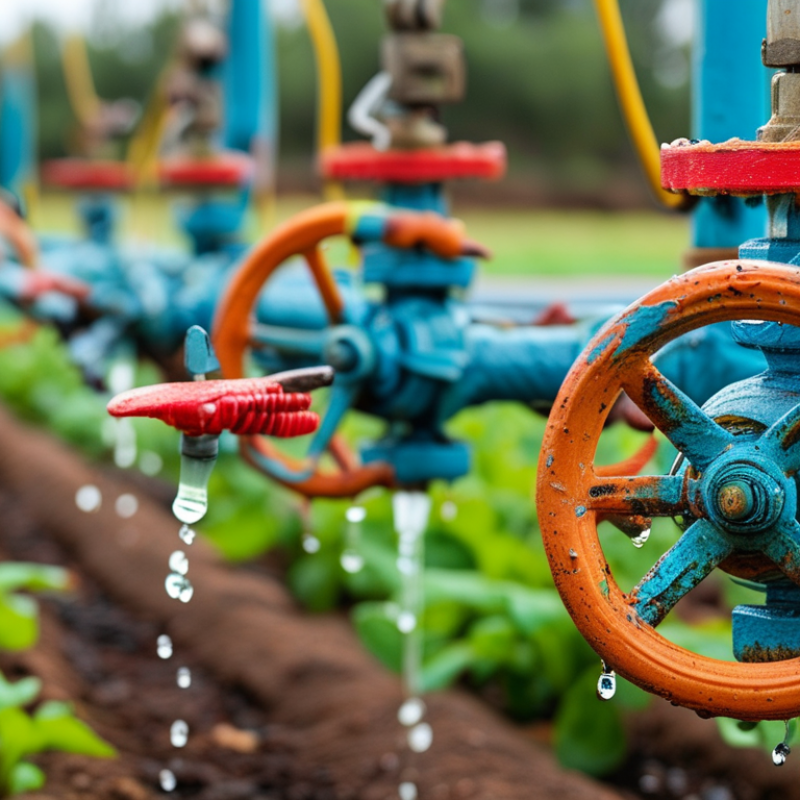
Investing in durable valves, pipes, and controllers is crucial. Poor-quality parts can lead to leaks and wastage. Farmers often overlook the importance of regular maintenance, which can result in costly repairs later. Choosing reputable suppliers for irrigation system parts ensures long-term satisfaction.

Even with the best technology, challenges remain. Seasonal changes and unpredictable weather can impact irrigation efficiency. Farmers must adapt and continually assess their systems. Emphasizing high-quality irrigation system parts can lead to significant improvements in crop yields and resource management.
Best Irrigation System Parts for Efficient Farming Solutions?

Types of Irrigation Systems Suitable for Different Farming Practices

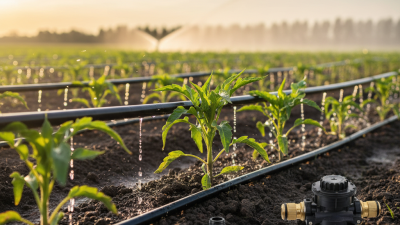
When considering irrigation systems, various types cater to different farming practices. Drip irrigation is excellent for crops needing consistent moisture. It minimizes water waste and delivers water directly to plant roots. This targeted approach enhances plant growth and health.

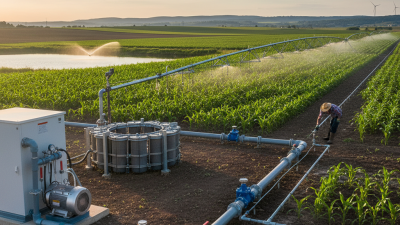
Surface irrigation, another common method, involves flooding fields. It’s simple and cost-effective but can lead to uneven water distribution. Farmers must carefully manage water input to avoid oversaturation. This system is often best for field crops and certain public lands.

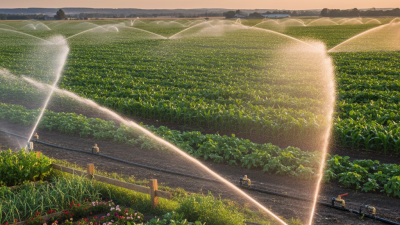
Sprinkler systems mimic natural rainfall, and they are versatile. They can be used for both row and field crops. However, they require proper calibration to avoid issues like evaporation loss. Farmers need to assess their land's specific needs since no single system works for all situations. Investment in the right parts can make a significant difference.

Best Irrigation System Parts for Efficient Farming Solutions

Irrigation System Type Description Suitable Crops Advantages Maintenance
Drip Irrigation A system that delivers water directly to the base of plants through a network of tubing and emitters. Vegetables, Fruits, Nuts Water-efficient, reduces weed growth, suitable for uneven terrain. Low, requires regular checks for clogging.
Sprinkler System A system that uses a series of pipes and pumps to spray water through the air onto crops. Cereals, Lawns, Flowers Versatile, can cover large areas, easy to automate. Moderate, includes seasonal checks for pressure.
Surface Irrigation Water is applied directly to the surface of the soil, using gravity to distribute water across the field. Rice, Sugarcane, Alfalfa Simplicity, low investment costs. High, due to potential soil erosion.
Subsurface Irrigation Delivers water below the soil surface, targeting roots directly. Perennial crops, Orchards, Vineyards Minimizes evaporation, reduces weed growth. Moderate, however, system must be monitored to prevent clogging.
Center Pivot Irrigation A rotating sprinkler system that moves around a pivot point, covering circular areas of land. Corn, Soybeans, Potatoes Efficient for large fields, high efficiency in water usage. Low, but initial setup costs can be high.

Essential Components of Drip Irrigation for Water Efficiency

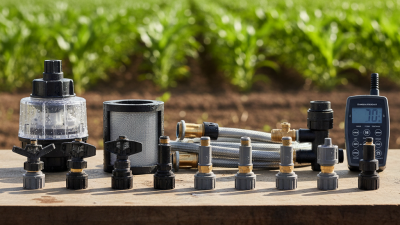
Drip irrigation stands out as a critical method for optimizing water use in agriculture. Proper components are essential for maximizing efficiency. A report from the International Water Management Institute highlights that drip irrigation can reduce water usage by up to 50% compared to traditional systems. The key components include emitters, hoses, and filters. Each component plays a vital role in delivering water directly to the plant roots, minimizing evaporation.

Emitters are crucial in managing flow rates and distributing water uniformly. Choosing emitters with variable flow rates can cater to various soil types, improving the overall system's efficiency. Filters prevent clogging, ensuring a consistent water supply. The World Bank indicates that poor filtration can result in a 30% loss in irrigation efficiency. Regular maintenance of these components is necessary. Neglecting minor repairs can lead to significant water loss and reduced crop yields.

While drip irrigation is effective, it requires careful planning and investment. Farmers must assess their specific needs and soil conditions. It's important to note that not all regions benefit equally from this system. Understanding local water availability and climate is vital. Some farmers may find it challenging to adapt due to initial costs or technical knowledge gaps. Continuous learning and adapting based on observed outcomes are essential to refining irrigation practices.

Key Features to Look for in Sprinkler System Parts

When choosing parts for your sprinkler system, focusing on durability is essential. High-quality materials resist weather elements and corrosion. Look for components made from robust plastic or resistant metals. These materials will last longer and minimize upkeep costs. A robust system can handle pressure fluctuations, ensuring consistent water delivery.

Adjustability is another critical feature. Sprinkler parts should allow for both range and flow adjustments. This flexibility helps tailor watering for specific crops and soil types. It is vital to match the system's output to the needs of your farm to avoid over or under-watering. Additionally, consider ease of installation. Parts that are user-friendly and come with clear instructions save time and reduce frustration.

Lastly, check for compatibility. Ensure your chosen parts fit seamlessly with your existing system. Using mismatched components can lead to inefficiencies and costly repairs. Take the time to research and understand your needs. Reflecting on past experiences will help improve your decisions. Remember, not every part will perform flawlessly. Monitoring performance and making adjustments will lead to better results over time.

Benefits of Using Automated Irrigation Controls in Agriculture

Automated irrigation controls are transforming agricultural practices. According to a report by the Irrigation Association, automated systems can increase water efficiency by up to 30%. This is crucial as water scarcity becomes a pressing issue globally. Farmers gain better control over their irrigation schedules, adapting to real-time weather data.

Additionally, research by the USDA shows that using automated controls can reduce labor costs by around 20%. Farmers can focus on other tasks while the system manages watering. These controls minimize water waste, providing precise application based on soil conditions. As a result, crop yields often improve significantly.

However, not all automated systems are perfect. Some farmers report challenges in initial setup. Technology can sometimes fail or require updates. Awareness of these potential issues is essential. Finding the right balance between technology and traditional methods may lead to the most effective solutions. Investing in training for staff can also help mitigate these challenges.

Tips for Maintaining and Upgrading Irrigation System Parts for Longevity

Maintaining and upgrading irrigation system parts is essential for efficient farming. Regular inspections can prevent costly breakdowns. A 2021 study found that poorly maintained systems can lead to a 30% reduction in water efficiency. Check for leaks and clogs regularly. Even minor issues can escalate quickly. Using high-quality materials reduces the frequency of repairs.

Upgrading components enhances the overall efficiency of your irrigation system. Conducting system audits helps identify outdated parts. Research suggests that modern drip irrigation can improve water savings by up to 70%. Consider using sensors to monitor soil moisture. These tools can guide when and how much to irrigate, saving both water and energy.

Farmers often overlook maintenance due to busy schedules. However, simple tasks like cleaning filters or adjusting pressure can make a significant difference. According to the USDA, proper irrigation management can boost crop yields by around 20%. Staying proactive about updates can prevent larger issues down the line. Reflection on past system failures can inform better practices.