Best Irrigation Controllers for Efficient Water Management?
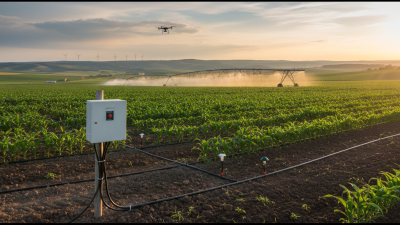
In recent years, efficient water management has become essential for sustainable agriculture and landscaping. An effective Irrigation Controller plays a crucial role in achieving this goal. These devices help manage water consumption, ensuring plants receive just the right amount. With many options available, navigating the best choices can be overwhelming.
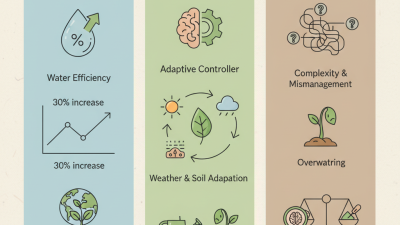
Modern irrigation controllers come equipped with smart technology. This allows them to adapt schedules based on weather conditions and soil moisture levels. Users can save water and reduce costs, but not every controller delivers the promised benefits. Some models may lack advanced features, leaving users dissatisfied.
Considering your specific needs is vital. Not all gardens or farms require the same level of sophistication. A simple controller may suffice for small spaces. However, larger areas could benefit from advanced systems with programming options. Therefore, selecting the right irrigation controller involves careful evaluation of features that align with your watering goals.
Overview of Irrigation Controllers and Their Importance
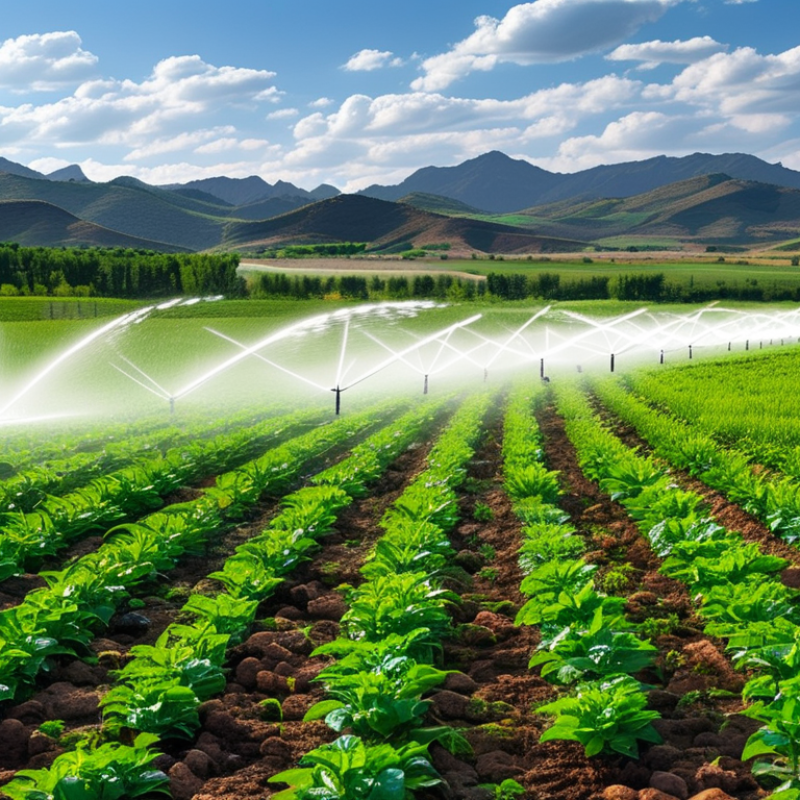
Irrigation controllers play a crucial role in efficient water management for agricultural and landscaping purposes. These devices automate watering schedules, ensuring that plants receive the right amount of water without wastage. According to a report from the Irrigation Association, proper irrigation management can save up to 50% of water usage in some regions. This highlights the importance of investing in advanced irrigation systems.
The choice of irrigation controllers can significantly affect both water conservation and crop yield. Data from the USDA show that areas using automated systems report a 30% increase in crop productivity compared to those using manual methods. This efficiency stems from the ability to tailor watering in response to real-time weather conditions and soil moisture levels. However, it is essential to select the right technology; not all systems automatically adjust to local climates effectively. Therefore, farmers and landscapers should carefully evaluate their specific needs and the capabilities of various controllers.
Despite the benefits, not all users reap the rewards of improved efficiency. Some may struggle with the installation and setup processes, leading to underutilization of features. Regular maintenance also remains a common challenge, with a study indicating that nearly 40% of irrigation systems degrade over time due to lack of care. This fact emphasizes the necessity of ongoing education and support for those using these technologies.
Types of Irrigation Controllers Available on the Market
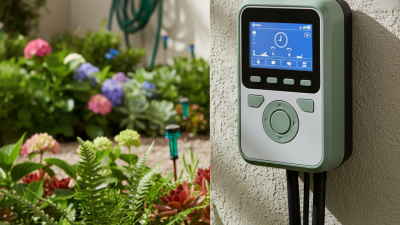
Irrigation controllers are essential for efficient water management. They control the timing and amount of water your plants receive. Understanding the different types can help maximize their benefits.
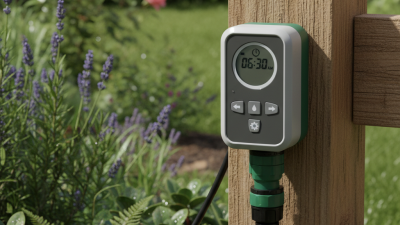
There are mainly three types of irrigation controllers: automatic, smart, and manual. Automatic controllers follow programmed schedules. These suits those with a consistent watering routine. Smart controllers utilize weather data and soil moisture levels. They adjust watering based on current conditions. This leads to potentially lower water usage. Manual controllers require hands-on adjustments. They provide full control but might waste water if mismanaged. According to the Irrigation Association, smart controllers can reduce water use by up to 30%.
Tips: Consider how much time you have for maintenance. If your schedule is tight, a smart controller may be the best choice. Regularly monitoring the output is vital. Adjustments may be necessary based on seasonal changes.
Choosing the right controller depends on your garden's needs. Each type has its strengths and weaknesses. For instance, some users may struggle with programming complex schedules. Others might enjoy the flexibility manual systems offer but find them time-consuming. Analyzing both your lifestyle and garden type is crucial in making the right decision.
Key Features to Consider When Choosing an Irrigation Controller
When selecting an irrigation controller, several key features are vital for efficient water management. Smart scheduling capabilities are crucial. Research indicates that smart controllers can reduce water usage by 30% to 50%. They utilize weather data and soil moisture levels to optimize watering times and amounts. This leads to healthier plants and significant resource savings.
User-friendliness matters. A simple interface can enhance user experience. Many controllers offer mobile app integration. This feature allows gardeners to monitor their systems remotely. A 2021 industry report found that 70% of users prefer mobile access for convenience.
Consider the system's compatibility with existing hardware. Some controllers work seamlessly with various sensors and valves. This versatility can improve overall irrigation efficiency. However, challenges may arise when integrating older systems. Customers should assess compatibility before upgrading. Clear information and customer support play a role in mitigating these issues.
Benefits of Smart Irrigation Controllers for Water Efficiency
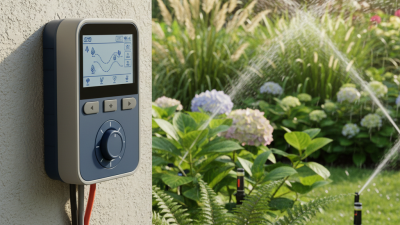
Smart irrigation controllers offer numerous benefits for water efficiency. These devices utilize weather data to optimize watering schedules. They adjust automatically based on rainfall, temperature, and humidity levels. By minimizing overwatering, they promote healthier plant roots and reduce water waste.
Integrating these controllers can lead to significant savings in water usage. Many homeowners notice a reduction of up to 50% in their water bills. This efficiency is particularly important in areas facing droughts or water restrictions. However, adoption can be challenging for some. Users may struggle with initial setup and understanding how to maximize their settings. Regular monitoring and adjustments are vital for continuous improvement.
The reliability of smart controllers is often questioned. Some users report connectivity issues or software glitches. These challenges highlight the need for ongoing education and user support. Homeowners should know how to troubleshoot and maintain their systems effectively. This knowledge can ultimately enhance water management efforts and ensure sustainable practices.
Top Brands and Models of Irrigation Controllers for Efficient Management
Efficient water management is crucial for both conservation and cost-effectiveness. When choosing irrigation controllers, it’s important to consider various top brands and models available today. These devices have advanced significantly, incorporating smart technology for better performance. Some models can even connect to weather forecasts, adjusting watering schedules based on rainfall predictions.
The best irrigation controllers offer user-friendly interfaces and customizable settings. Users can program these devices for specific plants or areas, ensuring that each section receives the right amount of water. Consider features such as remote access via smartphones, which provide convenience and flexibility. However, some models may be overly complex for everyday users. This can lead to frustrations and wasted resources.
While a variety of controllers exist, not all are equally reliable. It’s vital to read user reviews and consult experts on performance. Some may find certain brands more consistent than others. Installation can also pose challenges, especially for those with limited technical skills. Reflecting on individual needs is key to selecting the most suitable controller for efficient water management.
Best Irrigation Controllers for Efficient Water Management
| Model |
Type |
Water Efficiency (%) |
Smart Features |
Price ($) |
| Irrigation Pro 1000 |
Smart Controller |
90 |
Wi-Fi, Weather Sensing |
199 |
| EcoWater 300 |
Digital Timer |
85 |
None |
79 |
| RainSmart X2 |
Smart Controller |
95 |
Wi-Fi, Remote Access |
249 |
| WaterWise 5000 |
Smart Controller |
88 |
Soil Moisture Sensing |
199 |
| GardenMaster Pro |
Analog Timer |
80 |
None |
49 |