Best Sprinkler Heads for Efficient Watering Solutions?
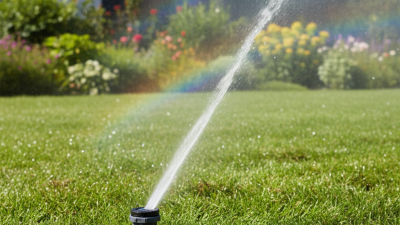
When it comes to efficient watering solutions, selecting the right Sprinkler Heads is crucial. Expert horticulturist Dr. Jane Thompson states, “The right sprinkler system can save resources and enhance plant health.” This highlights the importance of understanding various sprinkler options available today.
Sprinkler Heads vary greatly in design and functionality, making the selection process complex. A common mistake is choosing based solely on price, rather than efficiency or water conservation. Many homeowners overlook how the wrong sprinkler can waste water and harm gardens.
Investing time in research can yield better results. Consider factors like water pressure, coverage area, and plant types. Understanding these aspects leads to improved efficiency. As Dr. Thompson emphasizes, “An inefficient system may cause more harm than good.” This serves as a reminder that careful selection of Sprinkler Heads can significantly impact both water savings and garden health.
Understanding the Importance of Efficient Watering Solutions
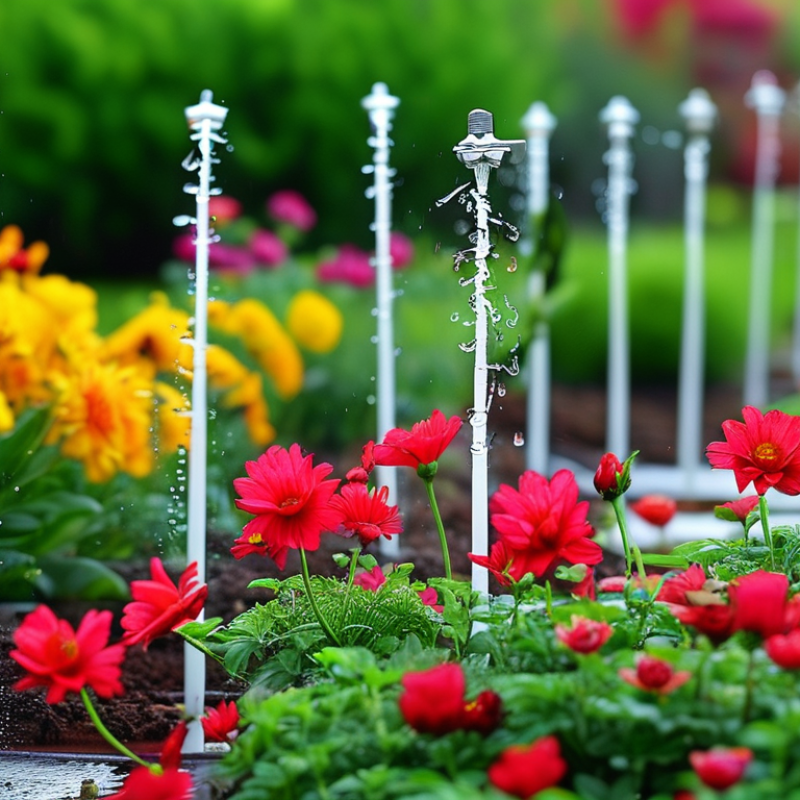
Efficient watering solutions are crucial for healthy gardens and landscapes. Proper watering conserves water and ensures plants thrive. Many people underestimate this aspect, leading to wasted resources and weak plants. Understanding plant needs is the first step toward effective watering.
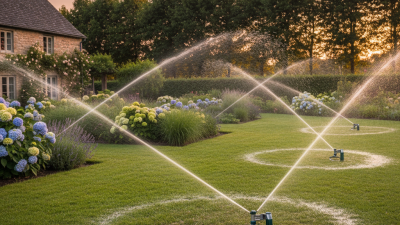
Various sprinkler heads are designed for specific purposes. For instance, stationary heads work best for small areas, while rotating heads cover larger spaces efficiently. Adjustments in settings can help tailor water delivery to meet the unique needs of different plants. It's essential to observe how water distributes in the garden. Sometimes, coverage is uneven and requires tweaking.
Maintenance is another important factor. Clogged heads reduce efficiency and can harm plants. Regular checks can prevent this problem. It is easy to forget these details amidst busy schedules. Reflecting on your current practices might reveal areas for improvement. Emphasizing these small adjustments can lead to substantial benefits over time.
Best Sprinkler Heads for Efficient Watering Solutions
| Type of Sprinkler Head |
Coverage Area (sq ft) |
PSI Rating |
Water Flow Rate (GPH) |
Efficiency Rating |
| Fixed Sprinkler Head |
400 |
30-60 |
15 |
High |
| Rotary Sprinkler Head |
600 |
40-70 |
20 |
Very High |
| Impact Sprinkler Head |
500 |
30-50 |
18 |
Medium |
| Soaker Hose |
300 |
Varies |
10 |
High |
| Drip Irrigation Head |
200 |
20-40 |
5 |
Very High |
Types of Sprinkler Heads Available for Garden and Lawn Care
When it comes to garden and lawn care, choosing the right sprinkler head is essential. Several types are available, each designed for specific watering needs. Fixed spray heads are popular for smaller areas, delivering a consistent spray pattern. They are often used for flower beds or smaller lawns. On the other hand, rotor heads provide coverage for larger spaces. They rotate while spraying, allowing efficient watering across wide areas.
Drip irrigation is another effective option. It directly delivers water to the roots, minimizing waste. This system is excellent for garden beds and shrubs. However, installing drip systems can be complex. They require careful planning to avoid clogged emitters and ensure even coverage. Some homeowners might overlook the installation details, leading to uneven watering.
Sprinkler systems can save time and resources. Yet, they may also face challenges, such as water pressure issues or blockages. Regular maintenance is needed for optimal performance. It's important to keep an eye on how often the system runs. Overwatering or underwatering can harm plants and the soil. Selecting the right type of sprinkler head requires knowledge and a bit of trial and error.
Key Features to Look for in High-Quality Sprinkler Heads
When searching for high-quality sprinkler heads, consider their material and design. Durable materials like brass or high-grade plastic ensure longevity and resistance to wear. A well-designed sprinkler head can spread water evenly, reducing dry spots in your lawn. Look for models that adjust to various angles. This flexibility can cater to different landscape shapes.
Another essential feature is the water flow rate. A good sprinkler should deliver the right amount of water without flooding. High-efficiency models often provide built-in timers. Timers can prevent overwatering, saving both water and money. Additionally, check whether the sprinkler head can be easily cleaned. Clogged nozzles can hinder performance and require regular maintenance, which may be overlooked.
Moreover, consider the ease of installation. Simple setups often encourage proper placement, enhancing watering efficiency. Complicated installations can lead to frustration and improper usage. If instructions are unclear, mistakes may happen. Reflecting on these features may improve your watering strategy and conserve resources effectively.
Comparative Analysis of Popular Sprinkler Head Brands
When selecting sprinkler heads, understanding the performance of various brands is crucial. Research from the Irrigation Association shows that up to 50% of water used for irrigation is wasted. This statistic highlights the importance of efficient watering solutions. Various models of rotary and spray heads each have distinct coverage patterns. Sprinklers with adjustable arcs can minimize overlap, enhancing coverage while saving water.
The comparative analysis of popular sprinkler head brands reveals some surprising insights. For instance, some models consistently outperform others in water distribution uniformity, achieving up to 85% efficiency. Conversely, certain designs struggle with coverage issues, leading to dry spots in the landscape. Feedback from industry professionals indicates that installation types also impact performance. Poor installation can lead to significant water loss, despite the sprinkler’s quality.
Moreover, durability ranks high among user concerns. Many consumers report that cheaper models wear down quickly, leading to increased maintenance costs. While some premium options boast long-lasting materials, their upfront costs can deter buyers. Reflecting on personal experiences, users often find that initial investment pays off through reduced water bills and less frequent repairs. Thus, the choice of sprinkler heads goes beyond brand reputation; it requires careful consideration of performance data and long-term costs.
Tips for Installing and Maintaining Sprinkler Heads for Optimal Use
Installing and maintaining sprinkler heads effectively can greatly enhance your watering routine. Proper placement is crucial. Analyze your lawn's size and shape. This ensures every inch receives adequate coverage. Avoid locations where water may pool or run off. Soil absorption varies. Some areas may need more attention.
Regular maintenance is vital for long-term efficiency. Check for clogs in the nozzles. Debris can disrupt the water flow, leading to drought spots. Adjust heads to account for new plants or landscaping changes. Regularly inspect for leaks to prevent water waste.
Consider seasonal adjustments based on weather. Incorrect settings can lead to overwatering or underwatering. Both can harm your plants and waste resources. Document changes and observations to improve your strategy. Reflect on what works and what doesn’t. Tailoring your approach takes time and effort but pays off.