Best Sprinkler Clock Options for Efficient Watering Systems?
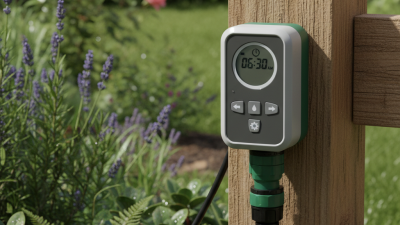
In today’s world, efficient watering systems are crucial for sustainable gardening and landscape maintenance. With the increasing demand for water conservation, the role of a reliable "Sprinkler Clock" has become more significant. Renowned irrigation expert, Dr. Emily Chase, once remarked, “A well-programmed Sprinkler Clock is not just a tool; it’s an asset to precision gardening.” This insight highlights the need for smart solutions in managing water efficiently.
Choosing the right Sprinkler Clock involves understanding features that cater to various needs. Often, consumers overlook the programming complexities that can optimize water usage. The technology has advanced, yet many devices still fall short of providing user-friendly interfaces. A clock that doesn’t sync well with local weather conditions can lead to overwatering or drought stress in plants.
Selecting the best option requires careful consideration. Not every Sprinkler Clock is a universal fit for all gardens. Some may struggle with existing hoses or irrigation systems, while others may lack essential features. Reflecting on these discrepancies can lead to better choices and more efficient watering practices. By investing time in research, gardeners can significantly enhance their irrigation systems.
Best Sprinkler Clock Options: Overview of Key Features and Benefits
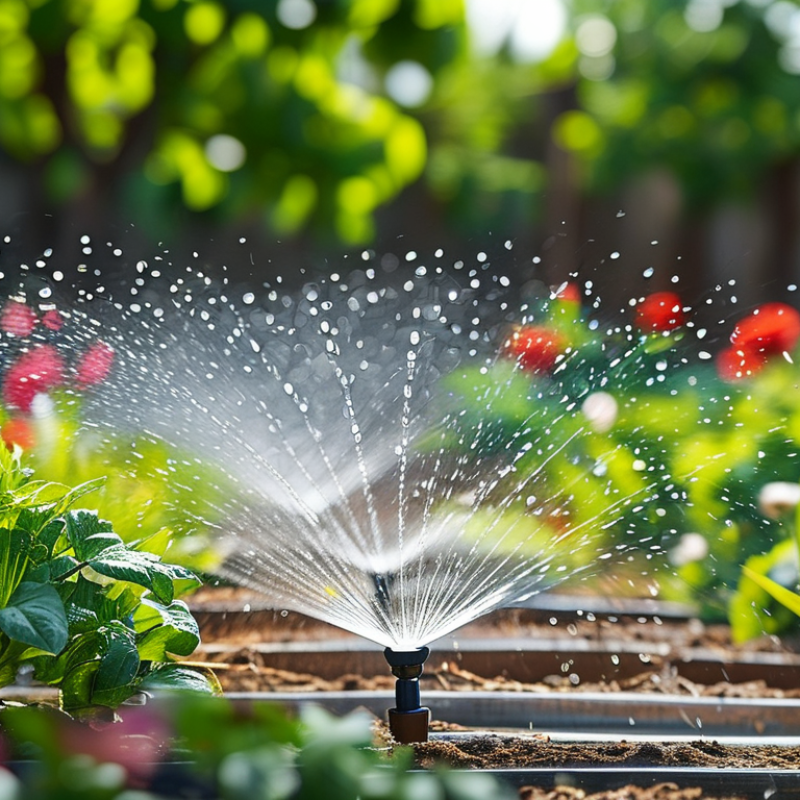
When choosing a sprinkler clock, efficiency is key. Look for models that offer programmable settings. Many clocks allow you to customize watering schedules. This flexibility is crucial for adapting to seasonal changes. For example, a clock that adjusts based on rainfall can save water and promote plant health.
Another important feature is ease of use. User-friendly interfaces make programming efficient. Some clocks even have smartphone connectivity for remote adjustments. This can be helpful for busy gardeners. However, not all models are intuitive. It's essential to read user reviews to find a reliable option.
Durability also matters. Quality materials can withstand weather elements over time. Plastic models might be affordable, but they often wear out quickly. Metal options may last longer, yet they can be pricier. Investing in a reliable sprinkler clock could lead to long-term savings. Careful consideration of features and benefits can enhance your watering system's efficiency.
Understanding Different Types of Sprinkler Clocks for Efficient Irrigation
When considering sprinkler clocks, understanding the different types is essential for optimizing irrigation. One popular type is the analog clock. These devices are simple to use and often more affordable. However, they may lack advanced features like moisture sensors. Thus, they require manual adjustments based on the weather. Users may find this cumbersome during hot seasons when water needs are high.
Digital sprinkler clocks, on the other hand, offer greater flexibility. Many models feature programmable settings, allowing for customized watering schedules. Some even include weather-based technology that adjusts the watering times based on rainfall. This can lead to significant water savings. Yet, the complexity of these systems can be a drawback for those unfamiliar with technology. Users might struggle with initial setup and programming.
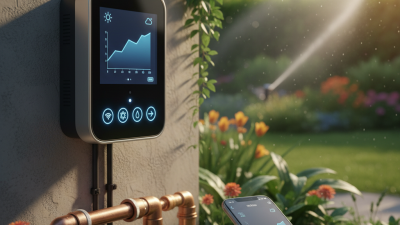
Smart sprinkler controllers have emerged as a more recent innovation. They connect to Wi-Fi and can be managed through an app. This convenience makes it easier to monitor and adjust schedules from anywhere. However, users must ensure stable internet connectivity for optimal performance. Additionally, reliance on technology may raise concerns about data privacy. Selecting the right type ultimately depends on individual needs and comfort levels with technology.
Watering Efficiency of Various Sprinkler Clock Types
This chart illustrates the watering efficiency of different types of sprinkler clocks based on their capabilities and features.
Evaluating Smart Sprinkler Clocks: Connectivity and Automation Benefits
Smart sprinkler clocks are transforming irrigation. They connect easily to Wi-Fi, enabling remote control via an app. This automation enhances scheduling based on weather conditions. A well-timed watering system conserves water and promotes plant health.
When selecting a smart clock, consider its compatibility with existing systems. A reliable connection is crucial. Some models perform poorly in low-signal areas. It’s essential to check customer reviews before committing.
Tips: Use seasonal data to adjust watering schedules. Regularly monitor your plants; they can provide valuable feedback on moisture needs. A healthy garden often reflects a well-timed irrigation strategy.
Essential Factors in Choosing a Sprinkler Clock for Water Conservation
Choosing a sprinkler clock is crucial for efficient watering. It can significantly affect water conservation in your garden. One essential factor is the timer's ability to adapt to weather patterns. For instance, some clocks can monitor rainfall. They adjust the watering schedule automatically. This feature helps save water and ensures plants receive just the right amount.
Another vital aspect is the programming flexibility. Look for models that offer multiple watering schedules. This allows for customized plans based on plant types and sunlight exposure. Achieving optimal moisture levels is not a one-size-fits-all situation. Additionally, consider user-friendly interfaces. Clocks should be easy to set and tweak. If the design feels complicated, it could lead to improper watering.
Reliability is also key. Research shows that durable materials and good construction enhance longevity. Clocks should withstand outdoor conditions. For those who enjoy tech, advanced features like smartphone connectivity can be helpful. These allow remote adjustments but may add complexity. Finding the balance between simplicity and technology is important. Sometimes, sticking with basic functions proves more effective. A thoughtful choice leads to a healthier garden and conservation of precious resources.
Best Sprinkler Clock Options for Efficient Watering Systems
| Model |
Watering Zones |
Wi-Fi Connectivity |
Rain Delay Feature |
Price Range |
Water Conservation Rating |
| Model A |
6 |
Yes |
Yes |
$90 - $120 |
4.5/5 |
| Model B |
8 |
Yes |
No |
$70 - $100 |
4.0/5 |
| Model C |
4 |
No |
Yes |
$60 - $80 |
3.5/5 |
| Model D |
10 |
Yes |
Yes |
$110 - $150 |
4.8/5 |
| Model E |
5 |
No |
Yes |
$50 - $70 |
3.8/5 |
Comparative Analysis of Leading Brands: Performance and Pricing Insights
When selecting a sprinkler clock, efficiency is key. According to industry reports, proper irrigation controllers can reduce water usage by up to 30%. This not only conserves water but also minimizes costs. As more homeowners focus on sustainability, understanding performance metrics becomes crucial.
Brands often highlight tech features such as weather sensors and smart app integration. However, these features can lead to confusion. Many consumers may find themselves overwhelmed by the choices available. A study showed that 40% of users experienced dissatisfaction because products did not meet expectations. Therefore, performance history should weigh heavily in decision-making.
Pricing varies significantly across models. Some budget options may appear attractive but deliver poor long-term performance. In contrast, investing in mid to high-range devices usually offers improved durability and efficiency. It's essential to weigh initial costs against potential savings over time. Many reports suggest a clear correlation between quality and long-term savings. Understanding these dynamics is vital when navigating the sprinkler clock market.