2026 Top Fixed Sprinkler Systems for Global Buyers?
In the ever-evolving landscape of fire safety, fixed sprinkler systems play a crucial role. These systems are essential for protecting lives and property. As global buyers look for reliable solutions, the focus on quality becomes paramount.
Fixed sprinkler systems must meet stringent standards to ensure safety. They should be easy to maintain and efficient in operation. Buyers need to consider various factors, such as installation costs and durability. Different environments demand different types of systems, raising questions about adaptability and effectiveness.
Choosing the right fixed sprinkler system is not straightforward. Each option has its strengths and weaknesses. Evaluating the needs of specific facilities can be challenging yet necessary. Understanding the intricacies of these systems is vital for making informed decisions.
Overview of Fixed Sprinkler Systems and Their Importance in Fire Safety
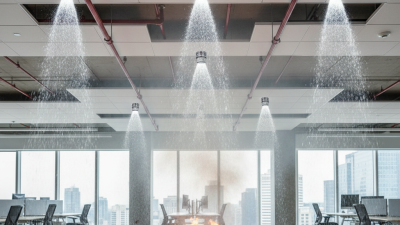
Fixed sprinkler systems play a crucial role in fire safety. They provide an automatic solution to detect fire and extinguish it, minimizing damage. These systems are specially designed to release water when they sense high temperatures. The quick response can save lives and protect property. Understanding how these systems work and their benefits is essential for safety planning.
Tips: Regular maintenance of sprinkler systems is vital. Ensure that every component functions correctly. Conduct routine inspections and tests for optimal performance. Training staff on the system's operation enhances safety protocols.
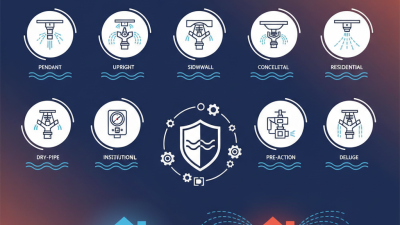
Choosing the right fixed sprinkler system is essential for various environments. Factors such as building size and occupancy rates influence the decision. Different types of sprinkler systems exist, such as wet, dry, and pre-action. Each type serves unique purposes, so it's essential to understand your specific needs. Evaluate your options carefully.
Tips: Always consult with fire safety experts. Their insights can help you make informed decisions. Proper installation is just as important as the system type. Ensure that qualified personnel handle the installation process to avoid future complications.
Key Features to Consider When Selecting Fixed Sprinkler Systems
Selecting the right fixed sprinkler system is crucial for fire safety. Understanding key features can make a significant difference. According to the National Fire Protection Association (NFPA), effective fire protection systems have a failure rate of only 10%. This highlights the importance of choosing a reliable system.
One essential feature is water coverage. A system should provide adequate water distribution across the entire area. Studies indicate that systems with optimized spacing reduce water wastage by up to 30%. Additionally, consider the type of sprinkler head used. Variable designs can accommodate various building types.
Another critical aspect is the system's maintenance requirements. Regular inspections can prevent failures. The NFPA recommends at least annual checks. However, many properties overlook this. Incorporating user-friendly design aids in quick maintenance access. Not every system meets this standard. Thus, buyers should prioritize reliability combined with ease of upkeep.
Top Brands and Manufacturers for Fixed Sprinkler Systems in 2026
As we approach 2026, the demand for fixed sprinkler systems is rising. Businesses and homeowners are seeking reliable systems that can help protect their properties. In this evolving market, several brands stand out due to their commitment to quality and innovation.
Top manufacturers focus on advanced technology integration, ensuring effectiveness and durability. Not all systems offer the same level of reliability. Buyers need to conduct thorough research before making decisions. Feedback from existing users provides valuable insight into performance and maintenance needs. It’s essential to pay attention to testimonials and product reviews.
Sustainability is becoming a priority as well. Many companies are adapting to eco-friendly practices, which appeal to environmentally conscious consumers. Yet, not every company has successfully made this transition. Evaluating a brand’s sustainability efforts can guide buyers toward choices that align with their values. Understanding these dynamics is vital for informed decision-making in the fixed sprinkler system market.
Comparative Analysis of Fixed Sprinkler Systems Based on Global Regional Needs
Fixed sprinkler systems are crucial in fire protection. They require careful design based on regional needs. For instance, a report by the National Fire Protection Association (NFPA) indicates that the effectiveness of these systems varies significantly across different geographical areas. Regions prone to wildfires have different requirements than urban zones. This variance shapes the specifications for installation and maintenance.
In North America, the emphasis is on comprehensive coverage. The NFPA states that about 96% of commercial buildings rely on sprinklers. In Europe, the regulation focuses on water supply reliability. A report by the European Committee for Standardization indicates that 80% of documented fire incidents involved systems with inadequate water flow. Data reflects a need for better integration of local climate considerations in sprinkler system designs.
Emerging markets show diverse challenges. According to a Global Fire Safety Report, developing regions often face resource limitations. A lack of skilled personnel impacts installation quality. Additionally, inconsistent water supply raises concerns about system performance. Addressing these disparities requires collaboration among manufacturers, regulators, and local communities.
Future Trends and Innovations in Fixed Sprinkler Systems for Buyers
In recent years, fixed sprinkler systems have evolved significantly. Innovations focus on efficiency and reliability. New technologies enhance water distribution, ensuring better coverage.
Modern systems incorporate advanced sensors and timers. This allows for precise control of water flow, minimizing waste.
Users expect systems that can adapt to various environments. Advanced materials extend the lifespan of these systems. However, challenges remain. Some installations struggle with maintenance and repairs. Regular checks are essential, but they can be overlooked.
Future trends indicate a move towards smart technology in fire suppression. Integration with building management systems will enhance safety. Buyers should consider not just initial costs but also long-term efficiency. The balance between budget and functionality is crucial. People need systems that not only protect but also save resources.