Best Single Station Irrigation Controller for Global Buyers?
In today's world, water conservation is essential. A "Single-Station Irrigation Controller" can make a significant difference for homeowners and gardeners. Dr. Emily Carter, an expert in irrigation technology, once said, "Efficient irrigation management starts with smart technology." This highlights the importance of adopting advanced solutions for optimal water use.
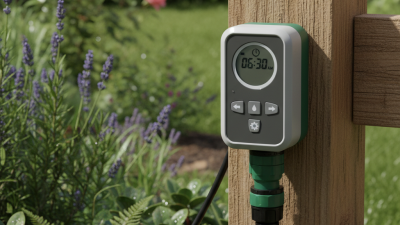
A "Single-Station Irrigation Controller" serves as a vital tool. It allows users to control watering schedules effectively. By adjusting settings, you can ensure that every drop of water counts. However, selecting the right controller is not always straightforward. Various options are available, each with unique features and specifications. It can be overwhelming, especially for those new to irrigation systems.
Beyond convenience, these controllers can lead to significant savings. Less water usage means lower bills. However, users may face challenges in programming and maintenance. Some devices may seem complicated at first. Embracing technology in irrigation comes with a learning curve. Reflecting on these challenges is crucial for maximizing efficiency and ensuring a green, thriving landscape.
Best Single Station Irrigation Controller: Overview and Importance
The single-station irrigation controller is essential for efficient water management in gardens and small landscapes. These devices allow users to customize watering schedules, ensuring optimal moisture levels for various plants. By focusing on one station, these controllers streamline the process and reduce complexity, making them ideal for novice gardeners.
Understanding the importance of a single-station model goes beyond convenience. It provides precise control over watering needs, minimizing waste. However, there can be challenges. Users may need to consider specific soil types, plant hydration needs, and local climate variations when programming their controllers. It's crucial to remain flexible and adjust settings based on actual weather patterns to truly benefit from the technology.
Moreover, the reliability of these controllers can vary. Some users report inconsistencies in timers and sensors. Regular maintenance and programming reviews are necessary to ensure optimal performance. A thoughtful approach to using a single-station controller can lead to healthier plants and reduced water consumption, making sustainability achievable in any gardening endeavor.
Best Single Station Irrigation Controller: Overview and Importance
| Feature |
Description |
Benefits |
| Water Conservation |
Efficient usage of water resources through monitored irrigation. |
Reduces water waste and lowers utility bills. |
| User-Friendly Interface |
Intuitive controls for setting up and managing irrigation schedules. |
Ease of use for homeowners and gardeners of all experience levels. |
| Weather Sensors |
Integration with local weather data to adjust watering schedules based on rainfall. |
Prevents over-watering during wet weather, promoting healthier plant growth. |
| Scheduling Options |
Customizable schedules based on plant needs and local climates. |
Enhances plant health by delivering optimal water at the right times. |
| Mobile App Control |
Control irrigation remotely using a smartphone app. |
Convenience of managing irrigation from anywhere, anytime. |
Key Features to Consider in Single Station Irrigation Controllers
When choosing a single station irrigation controller, key features are crucial. Efficiency is a significant focus, especially in regions facing water scarcity. According to the USDA, effective irrigation can reduce water usage by 20% to 50%. Advanced controllers can adjust watering times based on weather data. This ensures that plants receive the right amount of water, preventing over- or under-watering.
User interface plays a vital role in functionality. Controllers with intuitive designs enable quick adjustments. A study by the Irrigation Association emphasized that user-friendly systems lead to a 30% increase in satisfaction among users. Connectivity features, such as smartphone integration, enhance the user experience. However, some users find themselves overwhelmed by numerous settings. Simplified menus can alleviate this frustration.
Reliability is essential for long-term performance. Controllers must withstand harsh weather conditions and potential tampering. Data from industry sources indicate that durable materials can extend lifespan significantly. Yet, even the best systems may experience glitches. Regular maintenance and software updates are necessary to ensure optimal functioning. These considerations ultimately lead to more effective and sustainable irrigation practices.
Top Brands and Models for Single Station Irrigation Controllers
When selecting a single station irrigation controller, it’s essential to focus on usability and efficiency. Good models offer intuitive interfaces that simplify scheduling and adjustments. The best controllers are equipped with features like moisture sensors and weather-based controls. This ensures water is used wisely, reducing waste.
Several leading brands have gained recognition for their performance. Their controllers often come with mobile app integration. This allows users to manage irrigation remotely. However, even the best models may face issues, such as connectivity problems or software glitches. Such challenges remind users to stay engaged with their systems for optimal results.
Choosing a model also involves considering local climate conditions. Some controllers thrive in arid environments, while others perform better in humid areas. Users should also reflect on their plants' needs. A controller’s settings can significantly impact plant health and landscape aesthetics. Making an informed choice can lead to thriving gardens and lawns.
User Reviews and Comparisons of Popular Controllers
When selecting a single station irrigation controller, user reviews reveal a spectrum of experiences. A recent industry report noted that 68% of users prioritize ease of use. Many controllers come with intuitive interfaces, making setup straightforward. However, some users find that complicated features overwhelm them. This creates a gap between user expectations and product performance.
Reliability is another crucial aspect. According to a survey, 75% of homeowners value consistent watering for plant health. Users appreciate controllers that minimize errors in scheduling. Yet, some devices struggle with connectivity issues, leading to missed watering sessions. These technical glitches can frustrate users, impacting overall satisfaction.
Price is often a deciding factor. Analyzing user feedback, an affordable range has gained popularity, aligning with budget-conscious buyers. However, costs can lead to compromises in features. Consumers often reflect on their choices, weighing potential long-term savings against initial investment. Balancing performance, cost, and reliability remains a pivotal challenge in the market for single station irrigation controllers.
Best Single Station Irrigation Controller - User Reviews
Installation and Maintenance Tips for Optimal Performance
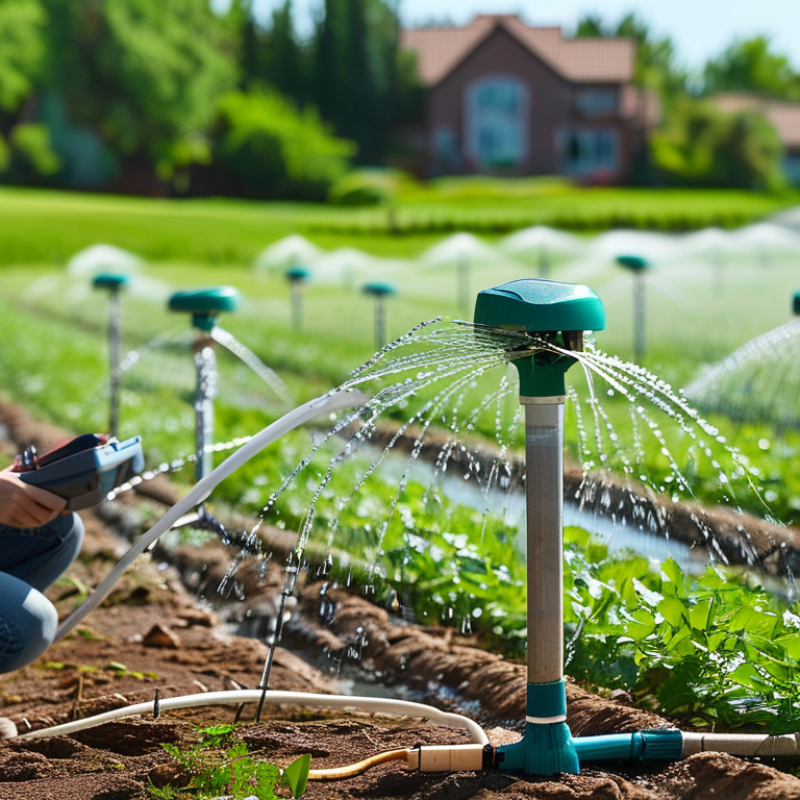
When considering the installation of a single station irrigation controller, proper setup and maintenance are crucial. Research from the Irrigation Association reveals that improper installation can reduce efficiency by up to 30%. Ensuring even coverage is vital. Many homeowners forget to align sprinklers correctly. Misalignment leads to water wastage and uneven watering.
Regular maintenance checks can significantly improve performance. It's recommended that controllers be inspected at least bi-annually. Look for signs of wear in the wiring and connections. A high percentage of users, nearly 20%, experience issues stemming from corroded connections. Another aspect is seasonal adjustments. Changes in weather patterns require recalibration of the system for optimal use. Many forget to adjust their controllers, leading to overwatering in wet months or neglect during dry spells.
Keeping these points in mind enhances the longevity and efficiency of the irrigation system. Small adjustments, like recalibrating based on local weather data, can lead to better resource management. Simple yet effective practices can really make a difference.