10 Best Single Station Irrigation Controllers for Efficient Watering?
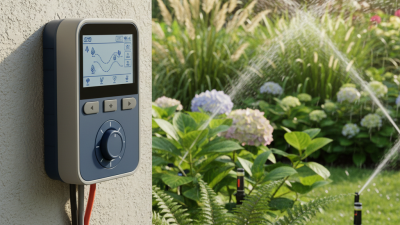
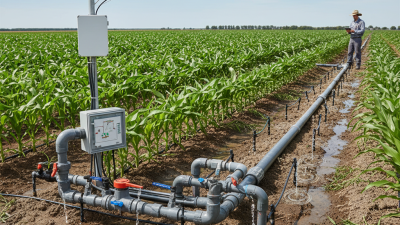
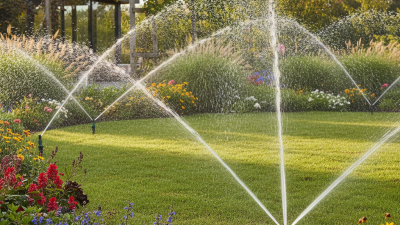
In the realm of water conservation, the Single-Station Irrigation Controller plays a vital role. According to the U.S. Environmental Protection Agency (EPA), about 30% of residential water use goes to outdoor irrigation. This staggering figure highlights the need for efficient watering solutions. Equipped with advanced features, Single-Station Irrigation Controllers can drastically reduce water wastage.
Research indicates that with smart irrigation technology, households can cut their water usage by up to 50%. These controllers monitor environmental conditions and automate watering schedules, ensuring optimal water application. Furthermore, industries recognize that improper irrigation practices can lead to significant financial losses, emphasizing the importance of choosing the right system.
However, not all Single-Station Irrigation Controllers are created equal. Some may lack essential functionalities like soil moisture sensors or weather monitoring. This inconsistency can lead to overwatering or underwatering, ultimately harming plants and wasting resources. As consumers navigate their options, understanding the nuances of these systems becomes crucial for achieving both economic and ecological benefits.
10 Best Single Station Irrigation Controllers for Efficient Watering
Efficient watering is essential for maintaining a healthy landscape.
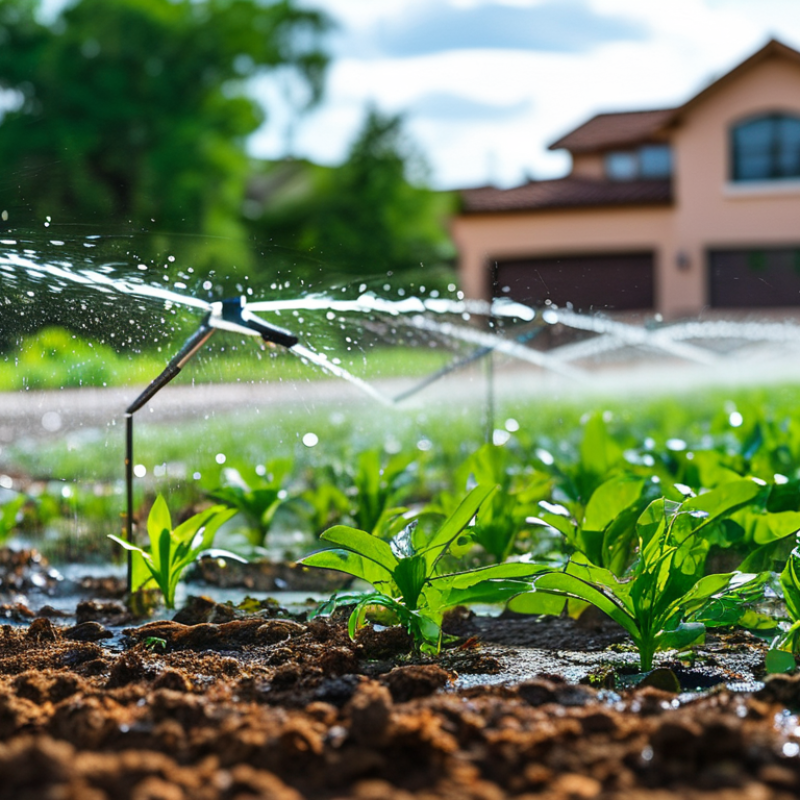
Single station irrigation controllers offer a simple way to manage your watering needs. These devices can be particularly beneficial for smaller gardens or specific areas within a larger yard. By automating your watering schedule, you save time and ensure consistent moisture levels.
Many factors influence the effectiveness of these controllers. Understanding your soil type, plant requirements, and local weather conditions is crucial. This knowledge can help you set the right watering duration and frequency. Not all controllers provide the same level of customization. Some may lack advanced features, which could lead to inefficient watering practices. It's important to choose a model that allows for adjustments based on changing conditions.
Users may sometimes overlook the importance of maintenance. Regular checks on the system will prevent clogs and leaks. Additionally, improper installation can cause uneven distribution of water. Monitoring the performance regularly can help identify any problems early on. Strive for a setup that fits your specific gardening needs, as this will aid in achieving the best watering efficiency possible.
Understanding the Importance of Efficient Water Use in Irrigation Systems
Efficient water use is crucial in irrigation systems, especially in light of increasing drought conditions. Overuse of water can lead to wastage and environmental degradation. A well-designed irrigation system ensures that plants receive adequate water without excess runoff. Thoughtful watering practices can help maintain healthy soil moisture levels, benefiting both the plants and the ecosystem.
Single station irrigation controllers play a pivotal role in achieving efficient watering. These devices can be programmed to adjust schedules based on weather conditions. This adaptability reduces water consumption significantly. However, many users overlook the importance of proper settings, leading to inefficient watering routines. Simple adjustments can make a big difference in overall water use.
Understanding your landscape's needs is vital. Not all plants require the same amount of water. Some might thrive with less while others may need more attention. Regular observation and adjustment are essential. Encountering difficulties is part of the learning process. Everyone can improve their watering techniques with experience.
Key Features to Look for in Single Station Irrigation Controllers
When selecting a single station irrigation controller, certain features are essential for efficient watering. One crucial aspect is moisture sensing technology. It helps prevent overwatering and under-watering by adjusting according to soil moisture levels. A study by the Irrigation Association notes that systems with moisture sensors can reduce water usage by up to 30%. This efficiency is vital in conserving water resources.
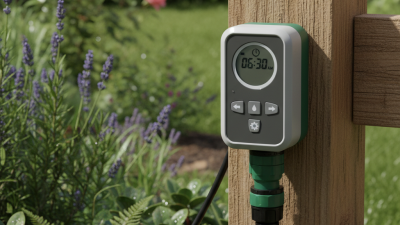
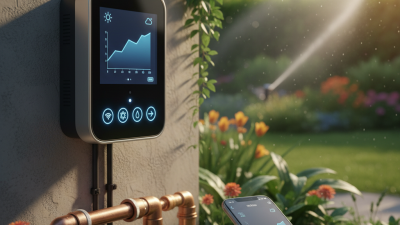
Another important feature is programmable schedules. A robust controller should allow users to set different watering times for various plants. Research indicates that tailored schedules can enhance plant health and growth. Moreover, user-friendly interfaces are necessary for easy programming. Controllers with touchscreen displays or mobile app integration offer convenience. However, some models may complicate usage. It’s essential to balance advanced features with ease of operation.
Monitoring and reporting capabilities add value to a controller. Real-time data on water usage assists in making informed decisions. Some systems even provide alerts for leaks or malfunctions. Despite their benefits, not every product reliably delivers this data. Consumers should look for controllers backed by strong customer reviews. Ultimately, the right features in a single station irrigation controller promote efficient watering and sustainable practices.
Top Industry Standards and Certifications for Irrigation Controllers
When selecting single station irrigation controllers, understanding industry standards is crucial. These standards ensure that the controller operates efficiently and aligns with sustainable practices. Key certifications like the WaterSense label signify that a product meets specific criteria for water efficiency and performance. These certifications are indicators of a reliable product suitable for diverse watering needs.
Another important aspect is usability. Many controllers have user-friendly interfaces and programmable options. A controller that is difficult to navigate can lead to inefficiencies in watering schedules. Ensuring that it has intuitive controls is essential for effective management.
It's valuable to consider the durability of the components. Controllers should withstand various environmental conditions. Some products may not perform well under extreme temperatures or heavy rain. Investing in quality can prevent future headaches. Reflecting on these aspects can lead to a more informed choice. Make sure to weigh all factors carefully before making a decision.
Top 10 Single Station Irrigation Controllers - Water Efficiency Ratings
Comparative Analysis: Performance Data of Leading Irrigation Controllers
When selecting a single station irrigation controller, performance data offers critical insights. Controllers vary widely in features and efficiency. Some excel in smart scheduling, adjusting based on weather data. Others focus on user-friendly interfaces but may lack advanced functionalities.
Setting the right parameters is crucial. Regularly review your scheduling settings. Weather changes can affect watering needs. Adjust as necessary to avoid overwatering or underwatering. An efficient controller may not guarantee optimal performance without proper user input.
Tips: Consider user reviews when choosing a controller. Real-world experiences provide valuable perspectives. Also, monitor your system regularly. Small adjustments can lead to significant water savings. Remember, even the best technology requires human oversight for peak efficiency. Embrace the learning process; it can lead to improved results over time.
10 Best Single Station Irrigation Controllers for Efficient Watering
| Model |
Number of Zones |
Watering Schedule Options |
Smart Features |
Water Savings (%) |
User Rating (out of 5) |
| Model A |
4 |
Daily, Weekly, Custom |
Weather-Based Scheduling |
30 |
4.5 |
| Model B |
6 |
Weekly, Custom |
Smartphone Control |
25 |
4.2 |
| Model C |
8 |
Daily, Weekly, Event-Based |
Remote Access |
40 |
4.7 |
| Model D |
5 |
Weekly, Custom |
Soil Moisture Sensor |
35 |
4.3 |
| Model E |
7 |
Custom Only |
Weather Notifications |
20 |
4.0 |
| Model F |
4 |
Daily |
Manual Override |
15 |
3.8 |
Conclusion
The article explores the "10 Best Single-Station Irrigation Controllers for Efficient Watering," emphasizing the importance of efficient water use in irrigation systems. It discusses the key features to consider when selecting a Single-Station Irrigation Controller, such as programmability, sensor integration, and user-friendly interfaces. Additionally, the article reviews top industry standards and certifications that ensure quality and performance in irrigation controllers.
A comparative analysis of performance data from leading models is provided, alongside user reviews and case studies that highlight improvements in irrigation efficiency. This comprehensive overview aids readers in making informed decisions to enhance their watering practices, ultimately leading to better resource management and environmental benefits.