Leave Your Message

2026 How to Use a Single Station Irrigation Controller Effectively?

The use of a Single-Station Irrigation Controller can revolutionize your watering practices. This device allows tailored irrigation for specific plants or areas. It's simple yet effective. But many users struggle to maximize its potential.

Understanding its features is crucial. Proper programming can lead to significant water savings. Timing is everything. You need to monitor weather changes and adjust accordingly. A common mistake is neglecting this aspect. Regular checks can prevent overwatering or underwatering.

Effective implementation takes practice. Experimenting with different schedules is beneficial. You may not get it right every time. However, small tweaks can lead to better results. Learning from missteps is part of the process. The goal is to create a thriving landscape while conserving resources. Embrace the challenges and adapt your approach.
2026 How to Use a Single Station Irrigation Controller Effectively?

Understanding the Basics of a Single Station Irrigation Controller

2026 How to Use a Single Station Irrigation Controller Effectively?

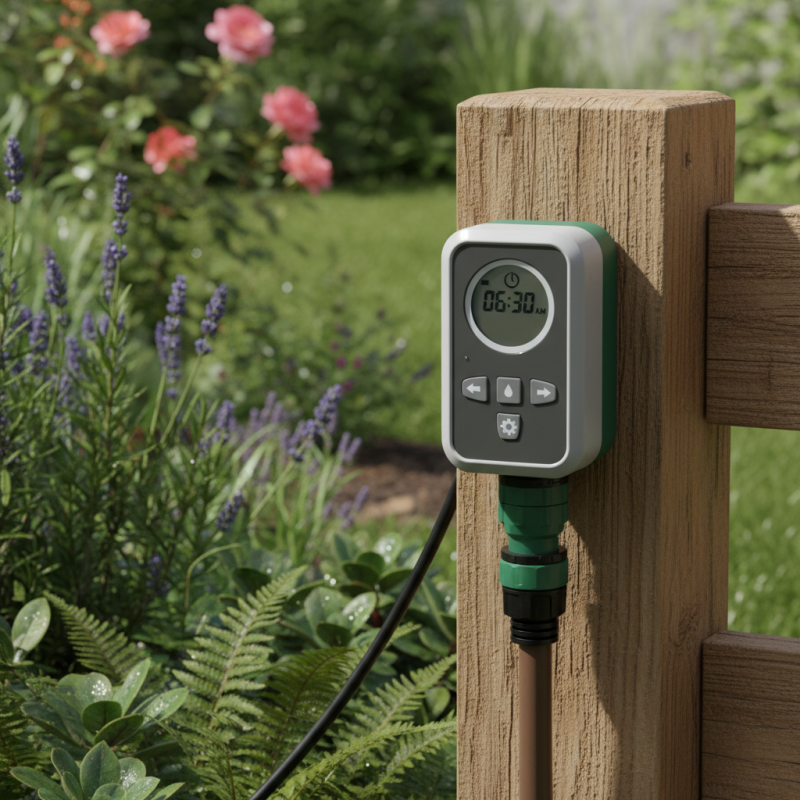
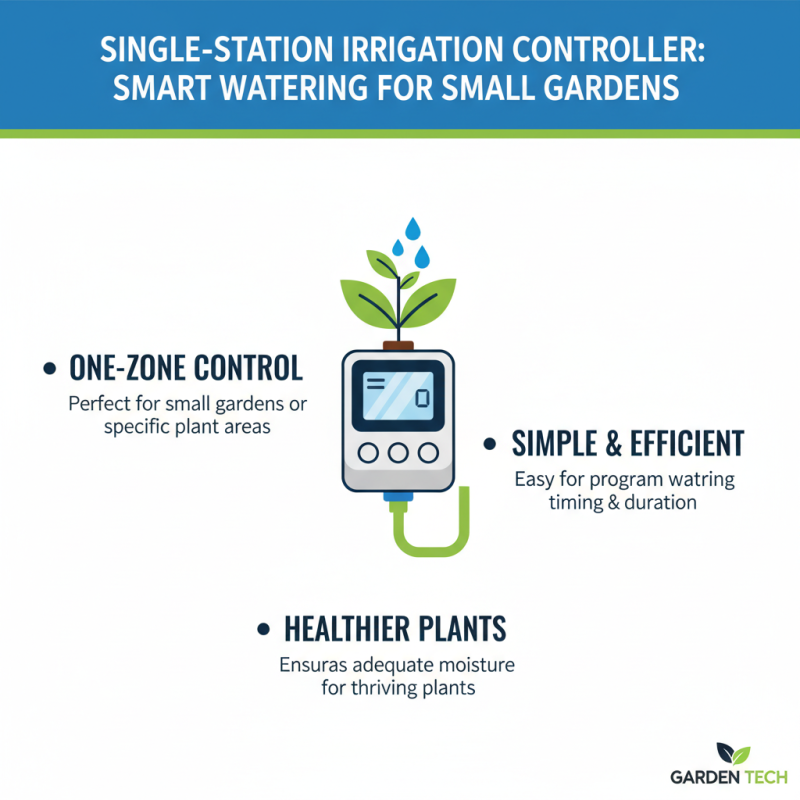
A single station irrigation controller is a valuable tool for managing garden watering. This device controls one zone of watering, making it ideal for small gardens or specific plant areas. It is simple and straightforward to use. You can program the timing and duration for watering, ensuring your plants receive adequate moisture.

Understanding how to set it up is crucial. Start by determining your plants' needs based on their type and location. Some plants require more water, while others thrive on less. Setting incorrect watering times can lead to overwatering or underwatering. A trial-and-error approach is often necessary to find the perfect balance. Monitor your plants’ health closely during the adjustment phase.

The simplicity of a single station controller is both an advantage and a limitation. While it's user-friendly, you may find it lacks advanced features. Some people struggle with the manual settings. It’s essential to reflect on how to optimize its function for your specific needs. Testing different schedules and observing the results can help refine your watering strategy. This process may take time and effort, but it ensures a healthier garden.
Identifying Key Features of Your Irrigation Controller

When using a single station irrigation controller, understanding its key features is essential. Look for simple programming options for setting your watering schedule. A user-friendly interface can save time and prevent frustration. Digital displays that show current settings help track your program easily.

Consider the water efficiency settings. A good controller should have options to customize watering based on rainfall or soil conditions. Sensors that detect moisture levels can help you avoid overwatering.

Tip: Regularly check your settings every few weeks. Sometimes, you may forget to adjust the schedule for changing weather. Small changes can have a big impact. Experiment with different settings. Find what works best for your garden’s needs. Mistakes will happen, but they can teach you valuable lessons about irrigation efficiency.

Water Usage Efficiency with Single Station Irrigation Controllers

This chart illustrates the water usage in liters for each season when using a single station irrigation controller. Efficient use of an irrigation controller can help reduce water consumption during peak seasons, highlighting its importance for sustainable landscaping practices.

Step-by-Step Guide to Programming Watering Schedules

2026 How to Use a Single Station Irrigation Controller Effectively?

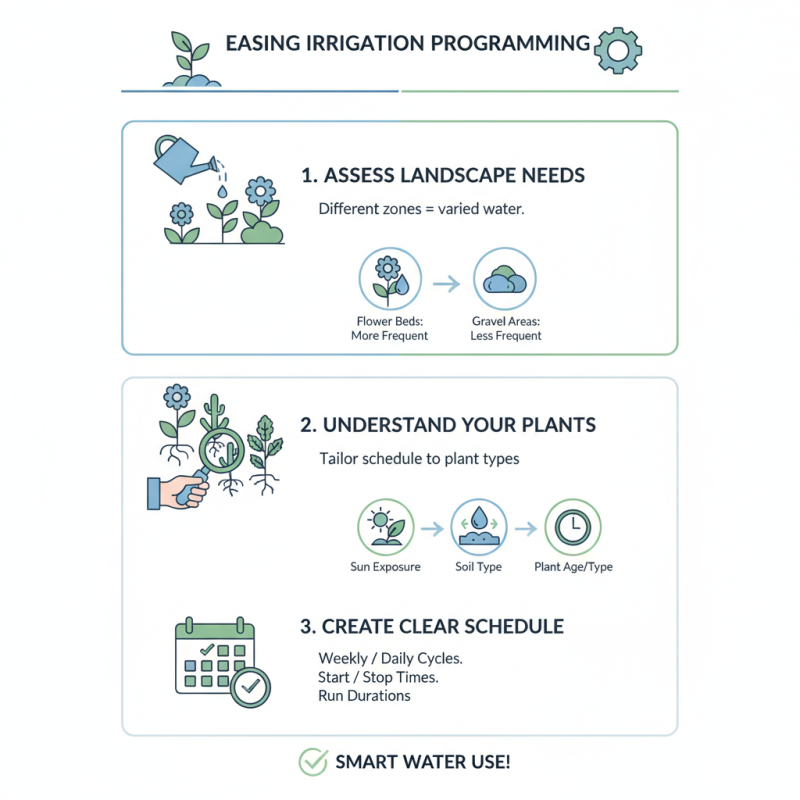
Programming a single station irrigation controller can seem daunting. The key is to start with a clear watering schedule. Begin by assessing your landscape’s needs. Different zones may require varied amounts of water. For example, flower beds might need more frequent watering than a gravel area. Understanding your plants helps create a tailored schedule.

Once you know your needs, it’s time to program. Set specific start times when evaporation is low, usually early morning or late evening. Adjust your run time based on the soil type and weather conditions. Light sandy soil may require shorter intervals, while clay soil retains moisture longer. Remember, too much watering can lead to problems. Watch for signs of overwatering, like yellowing leaves.

Lastly, be open to adjusting your settings. If you notice dry spots, extend watering times. Conversely, if puddles form, reduce the frequency. Experiment and observe how your plants respond. It’s a trial-and-error process. This flexibility helps achieve a thriving garden while conserving water efficiently.

Best Practices for Troubleshooting Irrigation Issues

When using a single station irrigation controller, troubleshooting is crucial. During dry seasons, improper irrigation can lead to water stress in plants. Studies indicate that poorly managed irrigation can reduce crop yields by up to 20%. To avoid this, check the controller settings frequently. Ensure they match the current weather conditions.

Be mindful of common issues. A malfunctioning valve can waste water and harm plant health. Look for signs like dry patches or overly saturated areas in your garden. These are clear indicators of uneven watering. In fact, 15% of all irrigation problems stem from faulty valves. Regular maintenance can mitigate these problems significantly.

Sometimes, users overlook the importance of sensor calibration. Soil moisture sensors should be checked at least seasonally. An uncalibrated sensor can give false readings. This often results in over or under-watering, both detrimental to plant growth. Keep a record of water usage too. An unexpected spike might signal a leak, prompting immediate action. This proactive approach helps in maintaining efficient irrigation practices.

2026 How to Use a Single Station Irrigation Controller Effectively? - Best Practices for Troubleshooting Irrigation Issues

Issue Symptoms Possible Causes Troubleshooting Steps
Water Not Flowing Dry patches in the yard Clogged filter, valve failure Check water supply, clean filter
Controller Not Responding No response from the irrigation schedule Power supply issue, faulty controller Check power connection, reset controller
Inconsistent Watering Overwatered and underwatered areas Improper zoning, malfunctioning sensors Review watering zones, test sensors
Scheduling Issues Irrigation runs at wrong times Incorrect time settings, software bugs Check time settings, update firmware

Tips for Maintaining Your Irrigation System Efficiency

Maintaining an efficient irrigation system requires regular checks and adjustments. Start by inspecting your hoses and connections for leaks. Even a small leak can waste significant water. Look for signs of wear, such as cracks or loose fittings. These issues can reduce efficiency and increase costs over time.

Next, monitor your water usage. Are you overwatering certain areas? Adjust the frequency of your watering based on weather patterns. It might be helpful to keep a log of your watering schedule. This can reveal how much water your plants actually need. Don't forget to consider seasonal changes. Over time, plants need less water in cooler months.

Remember the soil type in your garden. Sandy soil drains quickly, while clay retains moisture. Test your soil’s moisture regularly. If you find dry spots, you may need different watering for those areas. Irrigation systems often need tweaking to optimize performance. Reflect on how your plants respond and be open to making changes.