2026 Top Watering Spray Nozzle Types for Global Buyers?
When it comes to gardening and landscaping, choosing the right watering spray nozzle is crucial. With different models on the market, understanding their features is vital for global buyers. Factors such as water pressure, spray patterns, and ergonomic design play a role in selecting a suitable watering spray nozzle.
Many consumers may feel overwhelmed by the numerous options available. Each nozzle type has its advantages and drawbacks. For instance, adjustable nozzles offer versatility, while fixed nozzles may provide more consistent watering. Buyers should evaluate their specific needs, such as garden size and plant types.
Researching various brands and reading user reviews can enhance decision-making. This approach fosters confidence in selecting a reliable watering spray nozzle. Knowledge about the latest models and technology is essential, especially for those investing in quality tools. Being well-informed increases the chances of making a satisfying purchase in the expansive market of watering spray nozzles.
Types of Watering Spray Nozzles: An Overview of 2026 Market Trends
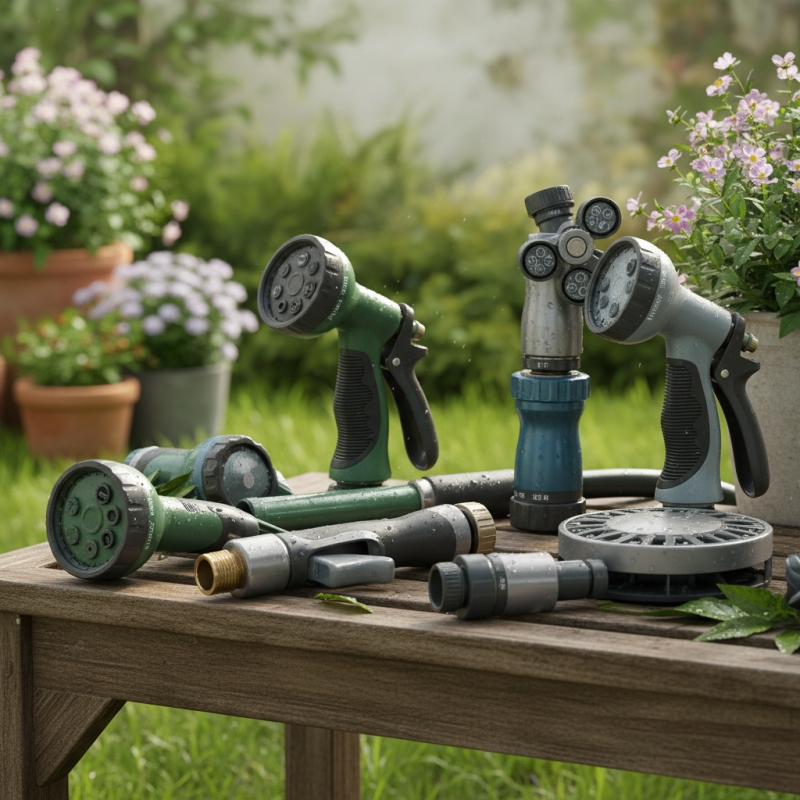
When exploring the 2026 trends in watering spray nozzles, various types cater to diverse gardening needs. Buyers can expect advancements in technology that enhance efficiency and performance. Nozzles will adapt to different applications, including gardening, cleaning, and irrigation.
A notable trend is the rise of adjustable spray nozzles. They offer versatility, allowing users to switch from a fine mist to a heavy spray with ease. This adaptability suits both delicate plants and robust landscaping tasks. Efficient water usage is another key focus. Consumers are increasingly looking for nozzles that conserve water while still delivering powerful performance.
Tips for buyers: consider the garden size and types of plants. A nozzle that works for a small patio may not meet the needs of a larger garden. Also, think about the nozzle’s durability. Some materials withstand wear and tear better than others. Investing in quality can save costs in the long run.
Reflect on maintenance as well. Easy-to-clean models can prevent clogs and prolong usability. Choosing a nozzle is a decision that impacts both garden health and water conservation.
2026 Top Watering Spray Nozzle Types for Global Buyers
Key Features and Benefits of Different Spray Nozzle Types in 2026
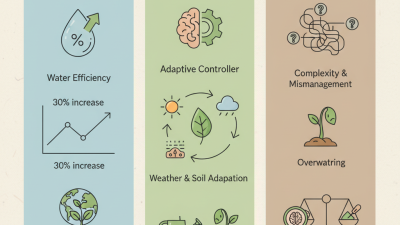
In 2026, various spray nozzle types cater to diverse gardening and agricultural needs. Each type presents unique features and advantages. A report by the Global Irrigation Association highlights that precision nozzles conserve water by targeting only the required areas. These nozzles can reduce water wastage by up to 30%. This efficiency is vital as global concerns about water scarcity continue to grow.
Additionally, adjustable spray nozzles are popular for their versatility. They can switch from a fine mist to a strong jet, catering to different plant types and watering needs. Data from the Horticultural Research Institute shows gardeners are increasingly favoring nozzles that offer multiple spray patterns. This adaptability allows for better care of a variety of plants. However, the complexity of these systems may challenge novice users.
Another notable option is the high-efficiency nozzle. These nozzles provide quick coverage and minimize evaporation loss. They can enhance water delivery efficiency by around 40%, according to research from the Agricultural Water Management Review. While they offer considerable benefits, their cost may deter some buyers. Understanding these options allows users to make informed choices, optimizing their gardening practices for better results.
Comparative Analysis: Adjustable vs. Fixed Spray Nozzles for Efficiency
When choosing between adjustable and fixed spray nozzles, efficiency stands out as a critical factor. Fixed nozzles provide a consistent water flow, ensuring uniform coverage in designated areas. They are often preferred for tasks requiring minimal adjustments, such as watering garden beds. Users appreciate their reliability. However, inflexibility can be a drawback. Setting them up in varied environments might lead to water waste.
On the other hand, adjustable spray nozzles bring versatility to watering tasks. They allow users to switch between different spray patterns easily. This can optimize water use across diverse settings, from delicate seedlings to robust plants. However, they may require more maintenance. Users could find that constant adjustments lead to wear or malfunction over time. Inconsistent usage might also result in uneven watering.
Considering both options, efficiency is not just about saving water. It also involves understanding the surrounding environment. Users should assess the specific watering needs of their gardens. Taking time to reflect on usage patterns can improve overall effectiveness. The right choice depends on individual requirements and gardening goals.
Material Choices in Spray Nozzles: Impact on Durability and Performance
When selecting a watering spray nozzle, the material can significantly influence both durability and performance. Common materials include plastic, brass, and stainless steel. Plastic nozzles are lightweight and affordable but may not withstand heavy use. Brass offers more durability, resisting wear, but can be heavier. Stainless steel combines durability and resistance to corrosion, but it often comes with a higher price tag. Each material presents unique advantages and disadvantages that can affect your choice.
**Tips:** Consider your watering needs. If you're using the nozzle for heavy-duty gardening, investing in brass or stainless steel can save money in the long run. Remember to check the nozzle's finish. A rough finish can lead to wear and tear.
Maintenance is crucial for longevity. Regularly inspect the nozzle for clogs or mineral buildup. This can greatly impact performance. Not every nozzle will perform optimally in all conditions. Testing different materials can provide insight into what best suits your environment.
**Tips:** Store your nozzle indoors during winter. This simple step can prevent damage from freezing temperatures. Evaluate your specific needs and change nozzles when necessary. A proper fit ensures efficiency.
2026 Top Watering Spray Nozzle Types for Global Buyers
| Nozzle Type |
Material |
Durability Rating (1-10) |
Flow Rate (GPM) |
Optimal Use Case |
| Adjustable Nozzle |
Plastic |
8 |
1.5 - 3.0 |
Gardening |
| Fan Nozzle |
Brass |
10 |
2.0 - 4.0 |
Landscape Irrigation |
| Rotary Nozzle |
Aluminum |
9 |
3.0 - 5.0 |
Heavy-duty Watering |
| Stream Nozzle |
Plastic |
7 |
1.0 - 2.5 |
Spot Watering |
| Mist Nozzle |
Brass |
8 |
1.5 - 3.5 |
Seedling Care |
Global Buyer Insights: Pricing and Demand Trends for Watering Nozzles in 2026
The demand for watering nozzles is projected to rise significantly in 2026. According to industry reports, the global market is expected to reach 1.5 billion USD by 2026, with a compound annual growth rate (CAGR) of 6.8% from 2021 to 2026. Factors driving this growth include urban gardening trends and increased consumer awareness about water conservation.
Pricing trends indicate that high-efficiency nozzles command higher prices due to their advanced technology and materials. Basic models average around $15, while premium options can exceed $50. Buyers are increasingly willing to invest in durable products that promise longevity and efficiency. However, the market is not without challenges. Some consumers may feel overwhelmed by the myriad options available.
Tip: When selecting nozzles, consider the specific needs of your garden. Aim for a combination of versatility and efficiency.
As consumers prioritize eco-friendly products, manufacturers must adapt. This shift may not only raise costs but also challenge existing supply chains. Interested buyers should keep an eye on innovations and feedback from the gardening community.
Tip: Regularly review user feedback and ratings. This can help identify the most reliable products for your needs.