Top 10 Sprinkler Valves: Best Options for Efficient Irrigation Systems
In the realm of efficient irrigation systems, the selection of high-quality sprinkler valves plays a pivotal role in ensuring optimal water distribution. As noted by irrigation expert Dr. Jane Thompson, "The right sprinkler valves not only enhance water efficiency but also prolong the lifespan of your irrigation system." This insight underscores the significance of carefully considering the various options available for sprinkler valves, as they directly impact the performance and sustainability of any irrigation setup.
With increasing concerns about water conservation and sustainable agriculture practices, the demand for effective irrigation solutions has never been higher. Sprinkler valves, serving as the gatekeepers of water flow in irrigation systems, must be chosen with precision. Whether you are a homeowner looking to maintain a lush garden or a professional landscaper managing expansive green spaces, understanding the nuances of different sprinkler valves is crucial. Each valve type offers unique advantages, and identifying the best options can lead to not only enhanced irrigation efficiency but also significant water savings over time.
In this article, we delve into the top 10 sprinkler valves, examining their features, benefits, and the specific needs they address within varying irrigation systems. By shedding light on these vital components, we aim to equip both novice and seasoned irrigation enthusiasts with the knowledge necessary to make informed decisions in achieving the most efficient water management possible.
Understanding the Importance of Sprinkler Valves in Irrigation Systems
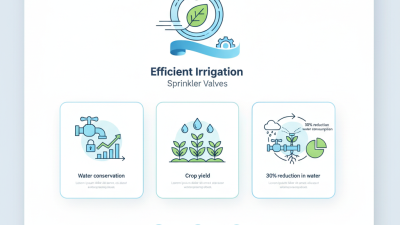
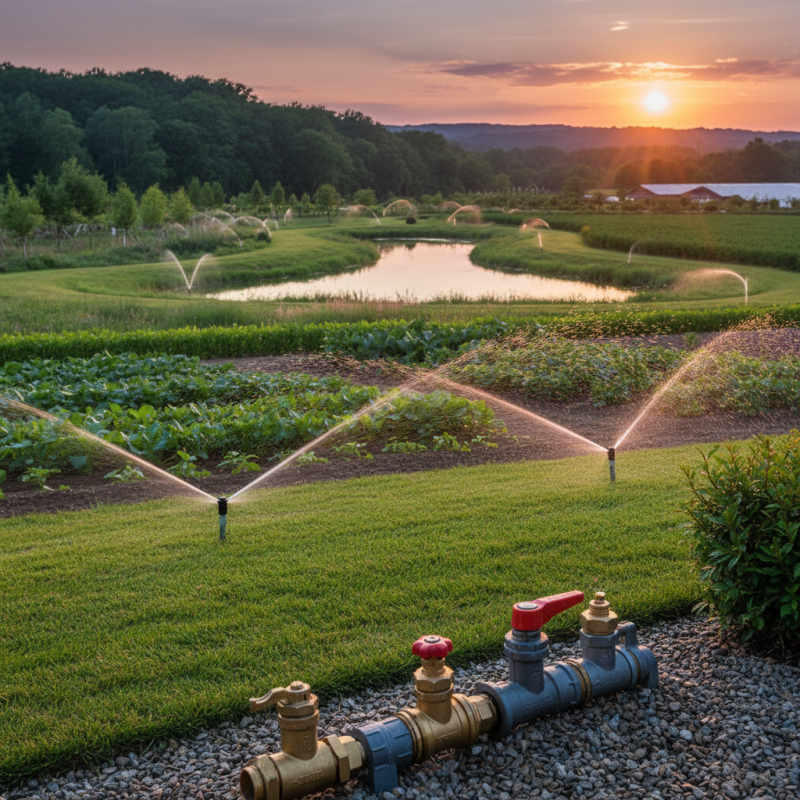
Sprinkler valves are a crucial component of any efficient irrigation system, acting as the gatekeepers that regulate water flow to various areas of a garden or landscape. By controlling the timing and amount of water delivered, these valves significantly influence the effectiveness of irrigation practices. According to the Irrigation Association, properly managed irrigation systems can reduce water usage by as much as 30% while still achieving lush and healthy landscapes. This efficiency is largely attributed to the use of high-quality sprinkler valves, which minimize leaks and ensure consistent pressure across the network.
When selecting sprinkler valves, it’s essential to consider factors such as pressure ratings, durability, and compatibility with your existing system. Look for valves with weather-resistant materials that can withstand various environmental conditions. Regular maintenance, such as inspecting seals and connections, can prolong the lifespan of these components and prevent costly repairs in the future.
Tips: During installation, ensure that the valves are placed at appropriate heights and easily accessible for maintenance tasks. Furthermore, implementing a smart irrigation controller can automate valve operations, optimizing water use according to weather conditions. This integration enhances both the sustainability and efficiency of your irrigation efforts.
Key Features to Look for in an Efficient Sprinkler Valve
When selecting a sprinkler valve for an efficient irrigation system, there are several key features that should be prioritized. First and foremost, the valve's flow rate is crucial. A valve that can handle a higher flow rate ensures that your irrigation system operates effectively, allowing enough water to reach all areas of your garden or lawn without creating uneven patches. Additionally, consider the valve's pressure rating. A valve that can withstand varying water pressures will maintain durability and efficiency over time, protecting both the valve itself and the entire irrigation system from potential damage.
Another important factor to look for in a sprinkler valve is its ease of installation and maintenance. Look for valves designed for straightforward coupling to your irrigation system, with clear guidelines for installation. This not only saves time during setup but also aids in troubleshooting and repairs. Additionally, features such as manual override options can be beneficial, allowing for quick adjustments on the fly. Lastly, materials play a significant role; durable constructions made from corrosion-resistant materials will ensure longevity, especially in challenging weather conditions. By focusing on these key features, you can ensure that your choice of sprinkler valve contributes significantly to the overall efficiency and effectiveness of your irrigation system.
Top 10 Sprinkler Valves Efficiency Ratings
Top 10 Sprinkler Valves: Overview and Comparison
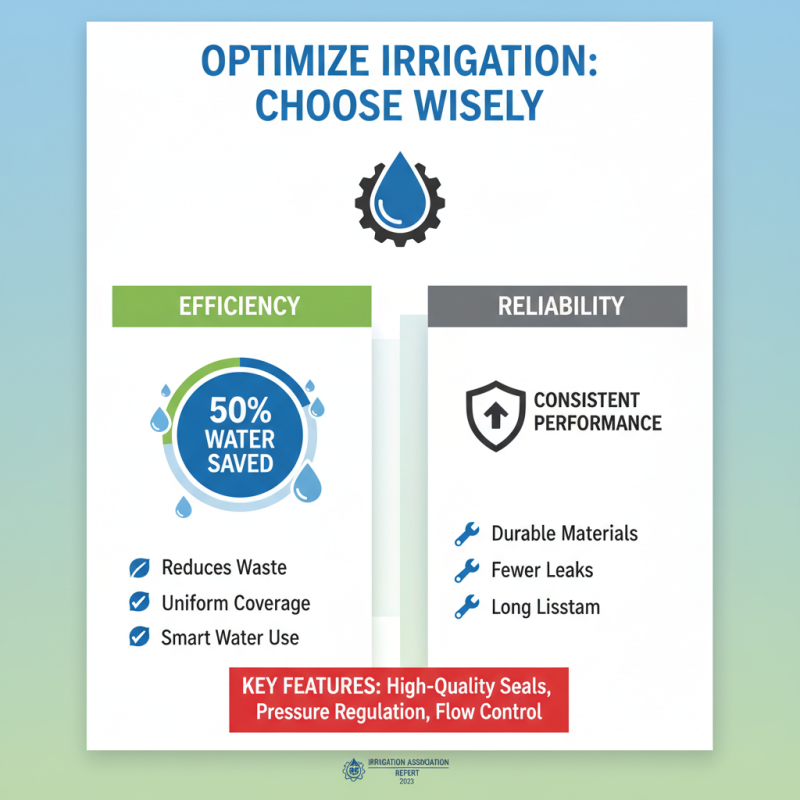
When evaluating the best options for sprinkler valves in irrigation systems, it is crucial to focus on efficiency and reliability. According to a report by the Irrigation Association, about 50% of the water used for irrigation in residential areas is wasted due to inefficient systems and poorly chosen equipment. This highlights the importance of selecting high-quality sprinkler valves that can optimize water usage while maintaining performance.
In this overview of top sprinkler valves, factors such as flow rate, pressure requirements, durability, and ease of installation are essential for comparison. Valves made from durable materials, such as brass and high-grade plastic, offer longevity and resistance to environmental factors. Additionally, valves equipped with features like pressure regulation and automatic shut-off mechanisms can significantly enhance irrigation efficiency. The same report indicated that systems utilizing these advanced features have shown a reduction in water consumption of up to 30%, leading not only to lower utility bills but also promoting sustainable water management practices.
Moreover, understanding the technical specifications of each valve type is vital for ensuring compatibility with existing irrigation systems. Factors such as valve size, operability (manual vs. automatic), and response time in high-demand scenarios can determine the success of an irrigation strategy. With careful comparison tailored to specific landscape needs, homeowners and professionals can make informed decisions, thus maximizing both performance and resource conservation in their irrigation efforts.
Installation Tips for Optimal Performance of Sprinkler Valves
When installing sprinkler valves, attention to detail can significantly enhance the efficiency and longevity of your irrigation system.
According to the Irrigation Association, proper installation techniques can improve water distribution uniformity by up to 20%.
This ensures that each area of your landscape receives the appropriate amount of water, reducing waste and promoting healthier plant growth.
Start by ensuring that the valves are positioned correctly to avoid excessive pressure or flow restrictions, which could lead to malfunctions over time.
Another critical aspect of installation is the choice of materials. Utilizing high-quality fittings and pipes that are compatible with the valves can bolster system durability and reduce maintenance needs.
A report by the American Society of Agricultural and Biological Engineers highlights that systems constructed with optimal materials can function with over 90% efficiency in water delivery.
Additionally, incorporating pressure regulators can help maintain consistent pressure levels, further enhancing performance and potentially decreasing your water usage.
Proper installation, therefore, is not just about efficiency; it is also about creating a sustainable irrigation solution that meets long-term agricultural or landscaping needs.
Maintenance and Troubleshooting Common Issues with Sprinkler Valves
Maintaining an efficient irrigation system relies heavily on the proper functioning of sprinkler valves. These components can encounter a variety of issues over time, including leaks, clogs, and valve sticking. Regular maintenance is essential to ensure they operate smoothly and effectively. Start by routinely inspecting the valves for any visible signs of wear or damage. If you notice any leaks, tighten the fittings or consider replacing the valve if necessary. Cleaning the valve internals can also help in preventing clogs that can disrupt water flow.
Tips for effective maintenance include applying
silicone grease to the valve's moving parts to reduce friction and prevent sticking. Check the
water pressure regularly, as excessive pressure can lead to valve failure. It is also advisable to flush the irrigation system periodically to remove debris and sediment buildup that may affect valve performance. Another useful tip is to keep an eye on the
timer settings and run times.
Overwatering can lead to unnecessary stress on the valves, potentially causing them to malfunction.
When it comes to troubleshooting, first listen for
unusual noises, which might indicate that the valve is not opening or closing properly. If a valve is stuck, gently tapping it with a rubber mallet may dislodge any obstructions. Additionally, if you encounter a sprinkler not functioning despite power supply, check for
wiring issues or
faulty connections that may affect the valve's operation. By following these tips and maintaining a proactive approach, you can minimize downtime and maximize the efficiency of your irrigation system.