Top 5 Landscape Irrigation Controllers You Need to Know?
In the world of irrigation, efficiency is key. Landscape Irrigation Controllers play a crucial role in this regard. According to John Smith, an expert in water management, “A smart irrigation controller can save up to 50% of water usage.” This statement underscores the importance of adopting advanced irrigation technologies.
Landscape Irrigation Controllers automate watering schedules based on weather conditions and soil moisture levels. They help gardeners and landscapers maintain lush green spaces without wasting resources. However, not all controllers are created equal. Some may lack the features necessary for specific climates or plant needs. It's essential to research and choose wisely.
Choosing the right Landscape Irrigation Controller can be challenging. Users often grapple with technical jargon and options. Finding a balance between cost and efficiency is not straightforward. It's an ongoing learning process for many homeowners. Reflect on your garden needs, and trial different systems before settling on the best solution.
Overview of Landscape Irrigation Controllers and Their Importance
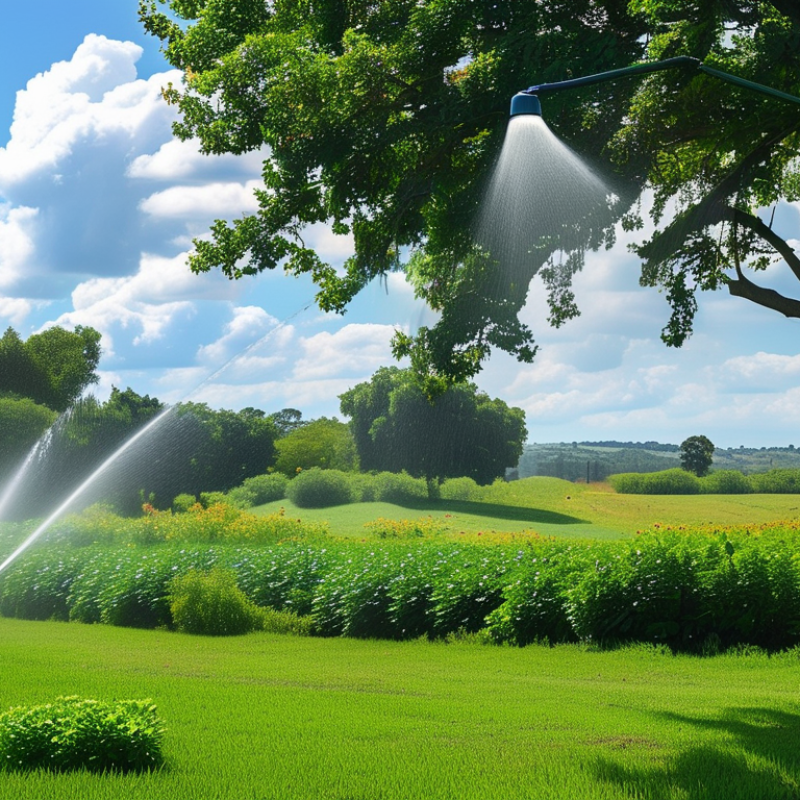
Landscape irrigation controllers play a crucial role in managing water resources efficiently. These devices automate watering schedules, optimizing water usage while ensuring plants receive the right amount of moisture. Utilizing technology in irrigation can significantly enhance landscape health and reduce water waste. A well-functioning controller can help conserve resources without compromising plant quality.
The importance of these controllers is often overlooked. Not all landscapes are equal. Some areas may require more water, while others need less. Effective controllers adjust to these needs. However, selecting the right controller can be complex. Many users may struggle to understand their landscape's unique requirements. This inadequacy can lead to overwatering or underwatering, affecting plant vitality.
Understanding how these devices function is essential. This knowledge can guide users in setting them up correctly. However, even experienced gardeners may find challenges in calibrating their systems. Regular adjustments based on weather patterns and plant growth can be daunting. Recognizing that irrigation needs change over time is pivotal for maintaining a healthy landscape. The journey of finding the ideal irrigation solution may require patience and continual learning.
Key Features to Consider When Choosing an Irrigation Controller
Choosing the right landscape irrigation controller can be challenging. Focus on key features that suit your needs. One crucial aspect is scheduling flexibility. Look for controllers that allow for easy adjustments based on weather changes. A smart controller can adapt to rainfall, preventing overwatering and saving resources.
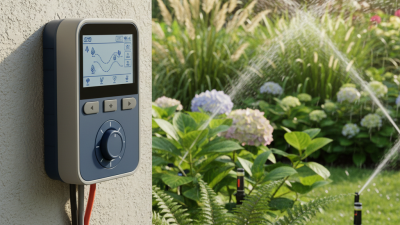
Another important feature is the ease of installation and user interface. Controllers with intuitive designs make setup straightforward. Digital displays and mobile apps can simplify monitoring and adjustments.
Consider water conservation features as well. Efficient systems help reduce waste, but many times, they require proper programming and understanding.
Lastly, ensure you consider compatibility with existing systems. Some controllers may not work well with old irrigation setups, causing frustration. Lack of integration can lead to inefficiency. Choosing wisely can lead to a productive landscape, but remember, no system is flawless. Regular maintenance and adjustments are often necessary for optimal operation.
Top 5 Landscape Irrigation Controllers: A Detailed Comparison
When it comes to landscape irrigation, the right controller makes all the difference. These devices manage water use, ensuring plants receive adequate hydration without waste. They come in various types, each with unique features and benefits. This comparison dives into the top options available today.
Most controllers have programmable schedules. Some can adjust based on weather conditions. This adaptability is essential for different climates. Users often find smart features appealing, but they're not foolproof. Occasionally, the sensors misread conditions, leading to over-watering. Simple models usually require manual adjustments but may provide more reliable results in certain situations.
Installation can be a bit daunting. While some options offer user-friendly setups, others may require a professional touch. Many users report struggles with navigating the settings, especially during the initial setup. An understandable frustration—it’s common to want a straightforward experience. Also, budget constraints often lead to compromises. In the end, aligning the controller's capabilities with specific landscape needs is crucial for optimal performance.
User Experiences and Feedback on Leading Irrigation Controllers
When choosing landscape irrigation controllers, user feedback reveals critical insights. Many users appreciate smart controllers for their adjustable schedules. Some prefer manual options due to simplicity. While automated systems offer convenience, they can sometimes miss unique environmental needs.
Users report that smart controllers can be tricky to program. Advanced settings may confuse those unfamiliar with technology. A common issue is the initial setup, which can take time. Learn from others' experiences to ease this process.
Tips: Start small with your controller settings. Observe your yard’s water needs before diving into complex schedules. Adjust settings based on seasonal changes, not just preferences. Keep a detailed log of water usage and plant health to refine your approach.
Consider manual overrides during unexpected weather. These adjustments reflect real-world needs and promote sustainability.
Future Trends in Landscape Irrigation Technology and Smart Solutions
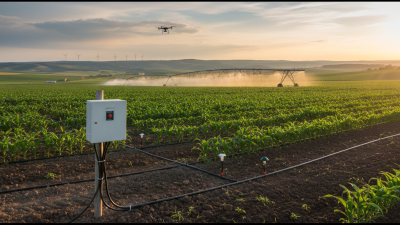
As landscape irrigation technology evolves, smart solutions are becoming more prevalent. These innovations focus on conserving water while maximizing efficiency. Smart controllers now utilize weather data to adjust watering schedules automatically. They minimize water waste by responding to real-time conditions.
However, implementing these systems isn't without challenges. Not every homeowner can easily navigate the initial setup. Some smart controllers may require extensive knowledge of software and app integration. This complexity can deter potential users. Moreover, the reliance on technology raises concerns about reliability during power outages or internet disruptions.
Networking with local experts is essential when exploring these solutions. They can provide insight into which systems work best in specific climates. Investing in landscape irrigation technology should involve thoughtful consideration. It's vital to analyze both the benefits and potential hurdles that come with smart irrigation systems.