Top 10 Irrigation System Sprinklers You Need for Efficiency?
In the world of agriculture and gardening, selecting the right tools is crucial. Irrigation System Sprinklers play a vital role in ensuring that plants receive adequate water. With an effective irrigation system, you can enhance crop yield while conserving water.
Choosing the right irrigation system can be challenging. Different sprinklers serve various purposes, and not all systems work for every garden or farm. It's essential to understand how each type functions to maximize efficiency. With a myriad of options available, it’s easy to feel overwhelmed. However, the right choice can make a significant difference.
In this guide, we will explore the top 10 Irrigation System Sprinklers worth considering. Each option is evaluated based on efficiency, reliability, and performance. Understanding the nuances of each sprinkler design opens the door to improved gardening success.
Understanding the Importance of Efficient Irrigation Systems
Efficient irrigation systems play a crucial role in sustainable agriculture. They help conserve water while maximizing crop yields. Utilizing the right irrigation technology can lead to significant reductions in water waste. An efficient system ensures that each plant receives the precise amount of water it needs. This precision fosters healthier plants and better harvests.
However, not all irrigation systems are created equal. It is important to understand your soil type, climate, and specific crop requirements. Miscalculations can lead to overwatering, causing root rot or nutrient leaching. Conversely, underwatering can stress plants, leading to poor growth. Assessing these factors requires expertise and can be a complex task for many farmers.
The selection of sprinklers is also vital for achieving efficiency. Different sprinklers distribute water in varied patterns and intensities. Some may be better suited to specific field shapes or plant types. Investing time in research ensures that farmers make informed decisions. Balancing technology with traditional practices might yield better results. Finding the right mix often requires trial and error, emphasizing the need for ongoing evaluation and adaptation.
Types of Sprinkler Systems and Their Applications in Irrigation
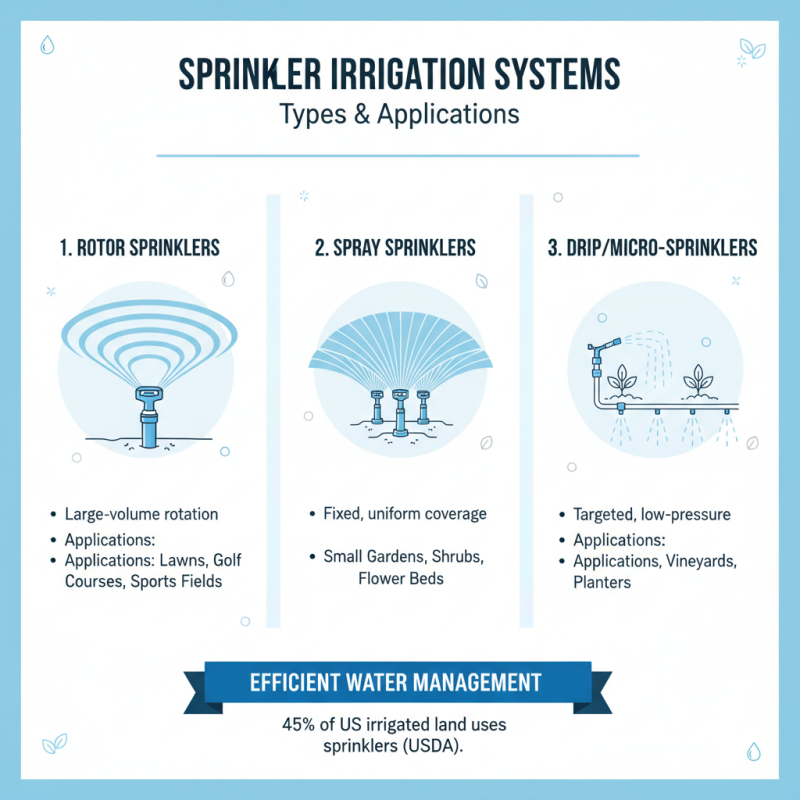
Irrigation systems play a critical role in efficient water management. Sprinkler systems are among the most widely used methods for irrigation. They are versatile and can accommodate various landscapes and crops. According to the USDA, about 45% of the nation’s irrigated land uses sprinkler systems, showcasing their importance.
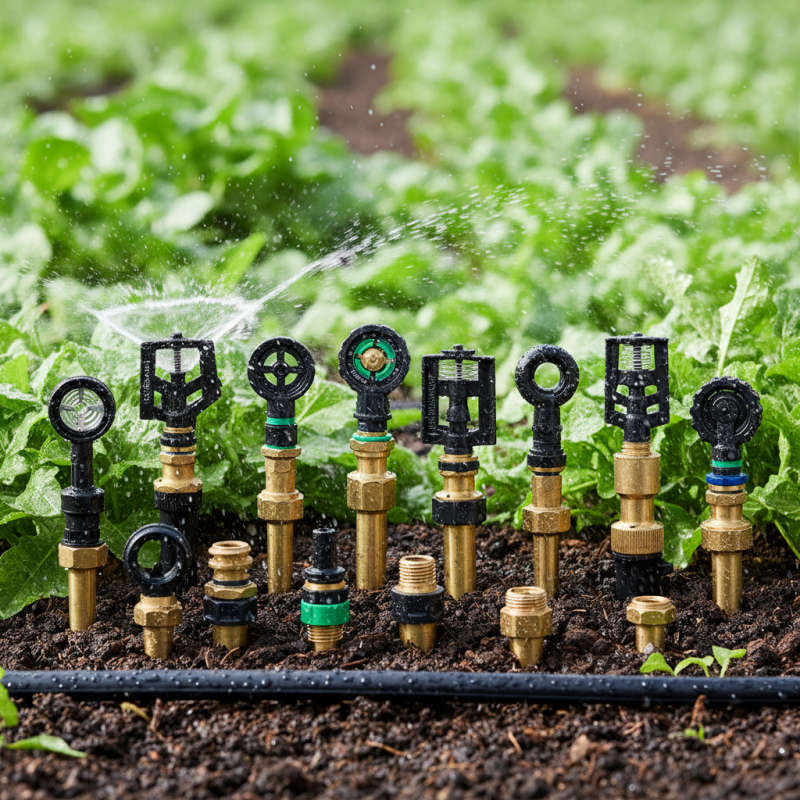
Several types of sprinkler systems are available. Fixed sprinkler heads provide uniform coverage for smaller areas. They are easy to install and maintain. In contrast, rotating sprinklers offer enhanced efficiency, especially in larger fields, applying water at varying rates. Reports indicate that rotating systems can save up to 30% more water compared to traditional methods, making them a more sustainable option.
Pop-up sprinklers are another popular choice. They remain hidden when not in use, ensuring aesthetics are preserved. However, they can sometimes experience clogs, which prevents optimal performance. It's essential to consider local water supply quality, as hard water may complicate maintenance. Understanding these aspects is crucial for maximizing irrigation efficiency and achieving sustainable agricultural practices.
Key Features to Look for in High-Performance Sprinklers
When selecting high-performance irrigation system sprinklers, consider several key features. First, efficiency matters. Look for models that minimize water waste and maximize coverage. A well-designed sprinkler should distribute water evenly across your garden or lawn, preventing dry spots and over-saturation. Adjustable patterns can provide flexibility for various landscape shapes.
Durability is another crucial feature. Choose sprinklers made from high-quality materials, like rust-resistant metals or sturdy plastics. These components withstand environmental factors, ensuring longevity and reliable performance. Flexibility is also essential. Some sprinklers allow users to customize the spray range and angle, adapting to different planting areas. This versatility can enhance your garden's health.
A timer or smart control system can significantly boost efficiency. Automating the watering schedule saves time and water. Integration with weather sensors prevents unnecessary irrigation during rainy periods. However, not all systems are foolproof. Users may encounter misconfigurations when setting up these technologies. Hence, research is vital to avoid common pitfalls. Effective irrigation requires both thoughtful product selection and practical application.
Top 10 Recommended Irrigation System Sprinklers for Optimal Efficiency
Irrigation systems are vital for maintaining healthy gardens and farms. The choice of sprinkler can significantly affect water efficiency. Each type of sprinkler has unique strengths tailored to different landscaping needs. Selecting the right option requires understanding these characteristics.
For trickle irrigation, micro-sprinklers work wonders. They deliver water directly to the roots. However, their setup can sometimes be tricky. Proper spacing is crucial. A slight oversight can lead to dry patches or waterlogged areas.
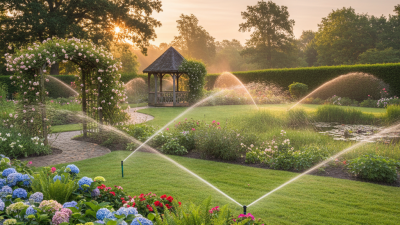
Rotating sprinklers are popular for larger lawns. They offer even distribution but can be impacted by wind. This can lead to uneven watering, a common concern among users. Regular maintenance is needed to ensure optimal performance. Consider timing the watering schedule; doing it early in the morning can reduce evaporation rates. Thoughtful planning pays off in the long run.
Top 10 Irrigation System Sprinklers for Optimal Efficiency
Maintenance Tips to Maximize the Lifespan of Your Sprinkler System
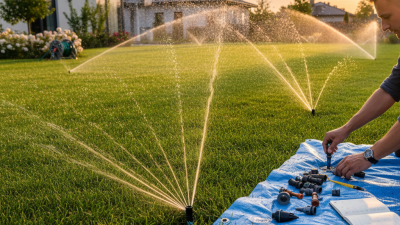
Maintaining your irrigation system is essential for its longevity and efficiency. Regular inspection of your sprinkler heads can prevent many issues. Over time, dirt and debris can clog these heads, reducing water flow. Clean them regularly to ensure they function correctly. Look for misaligned heads that may water unwanted areas, leading to wasted resources. Adjusting them can enhance coverage and reduce water costs.
Another crucial aspect is checking for leaks in the system. Even small leaks can waste significant water over time. Inspect hoses and connections for any signs of drips or wet spots. Replacing damaged parts promptly can save water and ensure your lawn gets the hydration it needs.
Seasonal checks are vital as well. Winterizing your system prevents damage from freezing temperatures. Before the cold sets in, drain all water from the pipes. Consider using a blowout method to remove residual water. When spring arrives, inspect everything again to ensure it’s in good condition. A little effort now can avoid costly repairs later. Regular maintenance is not just a task; it's an investment in your system's efficiency.