2026 Top Irrigation System Parts You Need to Know?
In the world of agriculture, understanding Irrigation System Parts is crucial. As water scarcity escalates, efficiency in irrigation becomes imperative. Renowned irrigation expert, Dr. Sarah Thompson, emphasizes, "Selecting the right parts can transform your irrigation system." This insight underscores the need to equip oneself with knowledge about various components.
Each part plays a vital role. From pipes to pumps, the selection can impact crop yield significantly. Many growers overlook the importance of quality in these parts. The right fittings and nozzles are essential for proper water distribution. Even minor details can result in inefficiencies or waste.
In 2026, innovations in irrigation technology will continue to emerge. However, a solid understanding of existing components remains fundamental. As the industry evolves, staying informed will help farmers make better decisions. Understanding irrigation system parts is not just beneficial; it is necessary for sustainable agriculture.
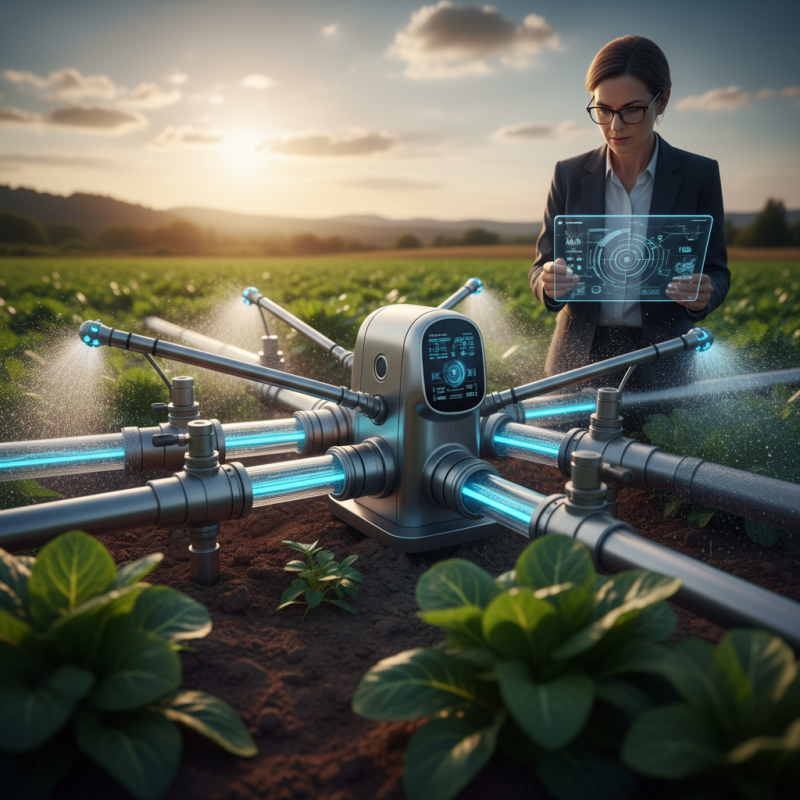
Essential Components of an Irrigation System: A Comprehensive Overview
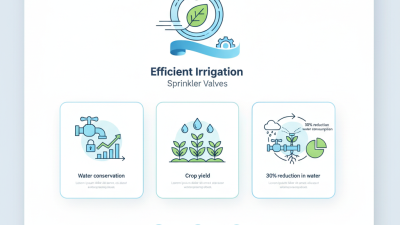
Irrigation systems are vital for agriculture and landscaping. The essential components can make or break your setup. A well-designed system can save water and enhance productivity. According to the Irrigation Association, efficient irrigation can reduce water consumption by up to 30%.
The primary parts of an irrigation system include pumps, pipes, emitters, and controllers. Pumps play a crucial role in delivering water. The selection of the right pump affects pressure and flow rate significantly. Moreover, the choice of piping material impacts durability and maintenance. For example, PVC pipes are common, but they may not withstand extreme temperatures.
Emitters distribute water to plants. Drippers and sprinklers are popular options. They vary in flow rates and patterns. Controllers help automate the system, ensuring plants receive water at the right time. However, many users overlook the importance of regular maintenance. Neglect can lead to clogged emitters and inefficient water use. It's essential to regularly inspect and maintain these components to achieve maximum efficiency. This failure can ultimately waste resources and increase costs.
2026 Top Irrigation System Parts You Need to Know
| Component |
Description |
Material |
Typical Usage |
| Pipes |
Transport water from the source to the plants |
PVC, HDPE |
Mainline and lateral lines |
| Valves |
Control water flow and pressure |
Brass, plastic |
Zone control |
| Emitters |
Deliver water directly to the plant roots |
Plastic |
Drip irrigation systems |
| Filters |
Remove debris and contaminants from water |
Stainless steel, plastic |
Before water reaches emitters |
| Timers |
Automate watering schedules |
Plastic, metal |
All irrigation systems |
| Backflow Preventers |
Prevent contamination of the water source |
Brass, plastic |
Before connections to main water source |
Types of Irrigation System Parts: Choosing the Right Fit for Your Needs
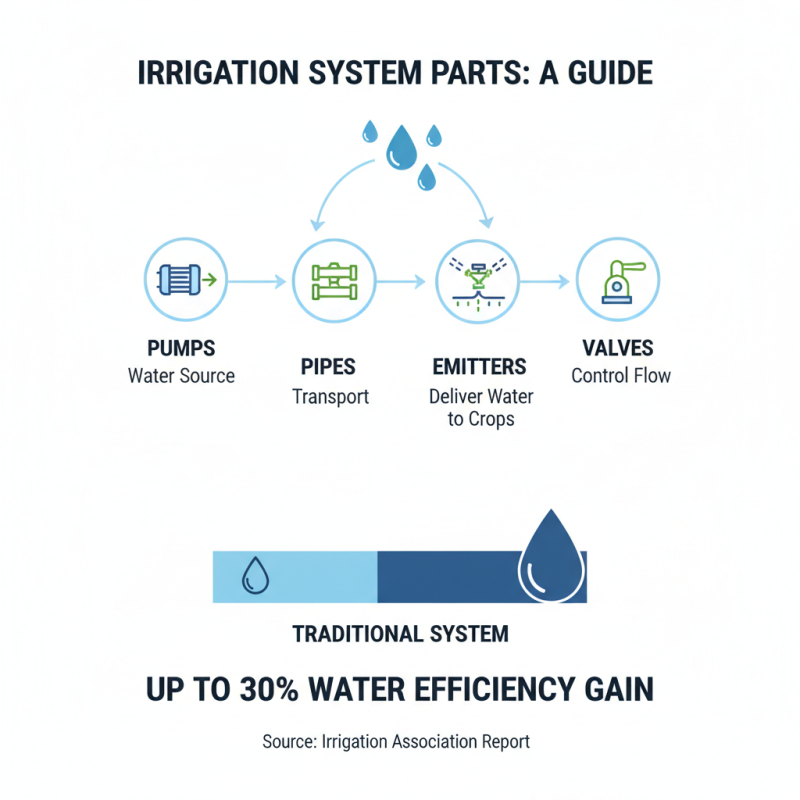
When selecting the right irrigation system parts, it's crucial to understand their types. There are various components, including pumps, pipes, emitters, and valves. Each part plays a key role in ensuring efficient water delivery to crops. In fact, a report by the Irrigation Association states that the right parts can enhance water efficiency by up to 30%. This highlights the importance of making informed choices.
Pumps are essential for moving water throughout the system. High-efficiency pumps can reduce energy costs significantly. However, selecting the wrong pump can lead to excessive power consumption and increased wear. Similarly, pipes must be durable and appropriately sized. Incorrect sizing can cause water pressure issues and affect irrigation uniformity.
Emitters and valves are also vital. Emitters control water flow to plants, while valves manage pressure and distribution. Poor-quality emitters can clog easily. This risks the overall health of the crops. Choosing the right fit requires careful consideration, and sometimes trial and error. Regular maintenance should not be overlooked, as neglect can lead to costly system failures. Understanding these components is crucial for optimizing irrigation systems in 2026 and beyond.
Maintenance Tips for Prolonging the Life of Your Irrigation System Parts
Maintaining your irrigation system is essential for its longevity. Regular inspections can help catch issues before they escalate. Check for leaks in hoses and fittings. A small drip can lead to water waste and costly repairs later. Clean filters regularly to ensure water flows efficiently. Debris can cause blockages, reducing performance.
Adjustments are also crucial. Over time, sprinkler heads may become misaligned or clogged. Take some time to realign or replace them. It’s common for components to wear down due to weather exposure. Keeping a close eye on wear and tear can save you from sudden breakdowns. Materials degrade, but regular maintenance can prevent premature replacement.
Don't overlook the importance of winterizing your system. Draining water before freezing temperatures can prevent cracks in pipes. Many homeowners forget this step, leading to expensive fixes in spring. Lastly, remember that your system needs regular tuning. Nature is unpredictable, and irrigation needs can change. Adjust programming as necessary to match seasonal requirements.
2026 Top Irrigation System Parts - Usage and Maintenance Overview
This chart illustrates the usage percentage of various irrigation system parts, essential for effective irrigation management. Regular maintenance of these components is crucial for prolonging their lifespan and ensuring optimal performance.
Innovative Technologies in Irrigation Parts for Sustainable Agriculture
Innovative technologies are shaping the future of irrigation systems. The adoption of smart irrigation parts is pivotal in promoting sustainable agriculture. Recent studies indicate that smart irrigation technologies can reduce water waste by up to 50%. Such innovations are crucial for farmers facing increasing water scarcity.
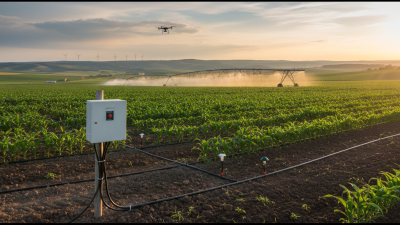
One promising development is the integration of sensor-based systems. These sensors collect real-time data on soil moisture levels. Farmers can adjust irrigation schedules accordingly. This method not only conserves water but also enhances crop yield. A report from the Agricultural Water Management Journal notes that crops irrigated with these technologies yield 15% more than those using traditional methods.
Drones are another technology making waves in irrigation. They assess crop health and monitor water distribution. However, the initial investment is high, and not all farmers can access this technology. Addressing inequalities in resource availability remains a challenge. The balance between innovation and accessibility is necessary for long-term sustainability in agriculture.