Top Irrigation Parts You Need for Efficient Watering Solutions
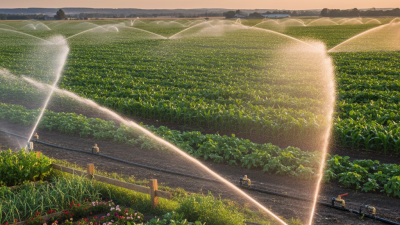
In the realm of modern agriculture, efficient watering solutions are paramount for maximizing crop yield and conserving vital water resources. The demand for water-efficient methods has surged, as evidenced by a recent report from the Irrigation Association, which estimates that implementing advanced irrigation systems can increase crop productivity by 20-50%, while also reducing water usage by up to 30%. This highlights the importance of having the right irrigation parts in place to achieve such efficiency. Experts in the field, like Dr. Emily Carter, an irrigation specialist, emphasize that “investing in high-quality irrigation parts is not just a choice; it’s a necessity for sustainable farming practices.”
As agricultural practices evolve, the need for innovative irrigation technologies has never been more critical. With climate change posing challenges to traditional farming methods, irrigation systems equipped with the latest parts can significantly enhance water management strategies. Recent data suggests that over 70% of the world’s freshwater is used for irrigation, making the efficiency and effectiveness of irrigation parts a central focus for growers aiming to adapt to increasingly variable environmental conditions. Adopting smart irrigation technologies, including drip systems and automated controllers, ensures that farmers can precisely target their water application, further underscoring the role that properly selected irrigation parts play in responsible agricultural practices.
Essential Components of Irrigation Systems for Effective Water Management
Efficient water management is essential for sustainable agriculture and landscaping, and
understanding the vital components of irrigation systems is a key factor in achieving this goal.
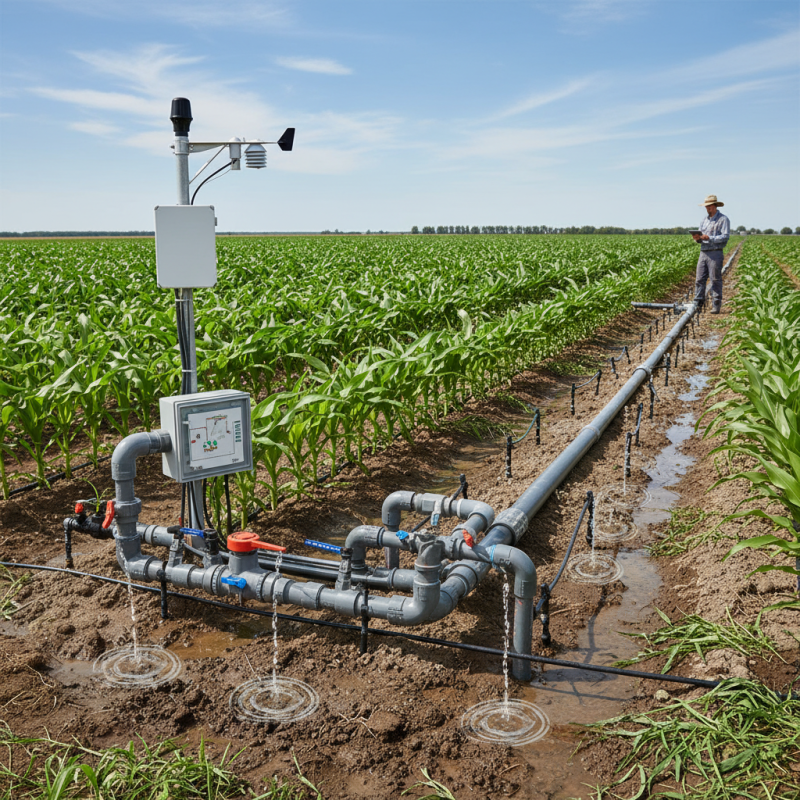
Essential parts such as valves, drip emitters, filters, and controllers
play a crucial role in ensuring optimal water distribution. According to the U.S. Department of Agriculture,
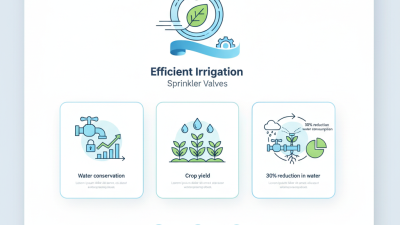
adopting advanced irrigation technologies can reduce water usage by up to 30%
while increasing crop yield by 15-25%. This underscores the importance of
selecting high-quality components that enhance system performance and conserve resources.
Valves regulate water flow throughout the irrigation system, allowing for precise control over how much water
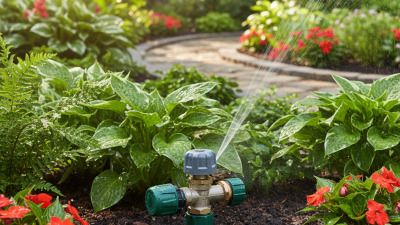
is distributed to various zones. Meanwhile, drip emitters ensure that
water directly reaches the plant roots, minimizing evaporation and runoff. Filters
are vital in preventing clogging and maintaining the efficiency of the system. Data from the Irrigation Association
indicates that properly designed and implemented irrigation systems can lead to a reduction in water waste by as
much as 50%. Thus, investing in essential irrigation parts not only promotes
effective water management but also contributes to sustainable farming practices
and environmental conservation.
Types of Irrigation Parts: Overview and Functions in Efficient Watering
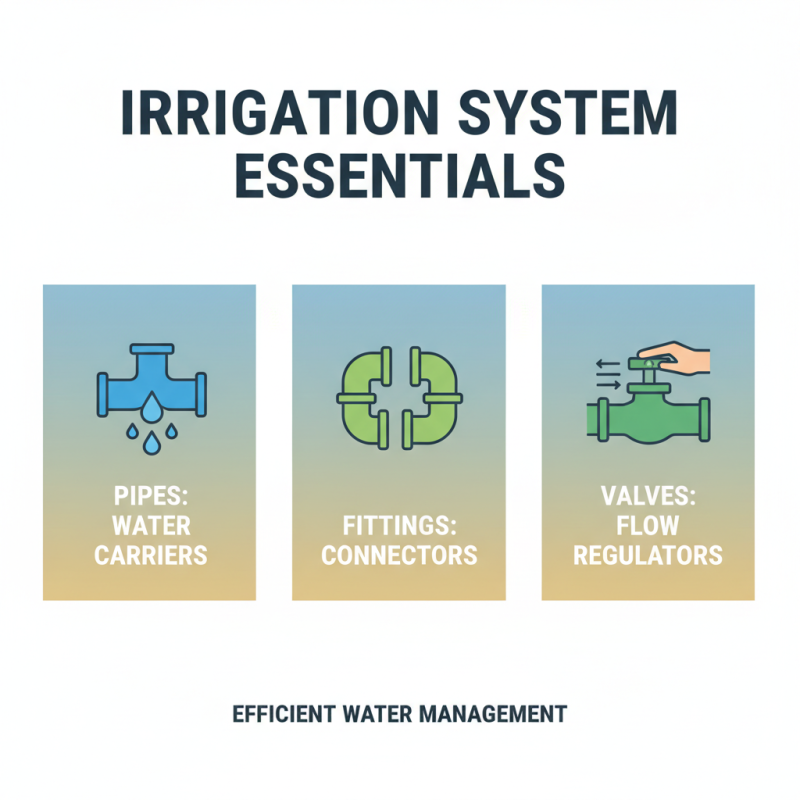
Irrigation systems play a crucial role in enhancing the efficiency of watering solutions. Understanding the various types of irrigation parts and their functions is essential for effective water management. At the core of any irrigation setup are components like pipes, fittings, and valves. Pipes serve as the main carriers for water, directing it from the primary source to the plants. Fittings are instrumental in connecting different sections of piping, allowing for flexibility in system design and ensuring that water flows where it is needed most. Valves, on the other hand, control the water flow, enabling users to adjust the pressure and quantity of water based on specific crop requirements.
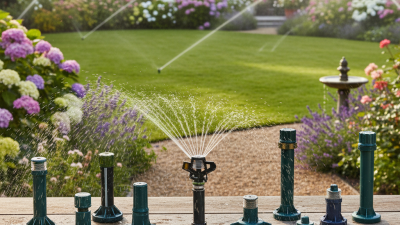
In addition to these foundational parts, other elements such as emitters, sprinklers, and filters further optimize irrigation performance. Emitters, commonly used in drip irrigation systems, deliver water directly to the plant roots, minimizing wastage and maximizing hydration. Sprinklers, which distribute water over a broader area, can be adjusted to suit different types of landscapes. Lastly, filters are essential for maintaining the quality of water traveling through the system, preventing clogging and ensuring the longevity of irrigation components. By incorporating these parts effectively, one can achieve an irrigation system that is both resource-efficient and tailored to the needs of the plants, promoting healthier growth and maximizing yield.
Selecting the Right Irrigation Pipes and Tubing for Your Needs
When it comes to setting up an efficient irrigation system, selecting the right pipes and tubing is crucial to ensuring that water reaches your plants effectively. Different types of irrigation systems require various materials and sizes to suit their specific needs. For instance, flexible tubing is often preferred for drip irrigation, as it can be easily bent around obstacles and adapted to changing layouts. In contrast, rigid pipes may be chosen for sprinkler systems, providing durability and resistance to high pressures which ensures a steady supply of water.
Additionally, the diameter of the irrigation pipes plays a significant role in the overall efficiency of the system. Smaller diameters may be suitable for gardens or small plots, allowing for targeted watering, while larger diameters are appropriate for larger areas or commercial applications to convey more water rapidly. Assessing factors like water pressure, flow rate, and the landscape’s topography will aid in determining the most suitable type of tubing or piping. Pay careful attention to materials, as options like PVC, polyethylene, and flexible rubber each bring unique benefits depending on environmental conditions and specific watering needs.
Top Irrigation Parts You Need for Efficient Watering Solutions
| Irrigation Part |
Material |
Diameter (inches) |
Length (feet) |
Application |
| PVC Pipe |
PVC |
2 |
20 |
Mainline |
| Drip Tubing |
Polyethylene |
0.5 |
100 |
Garden Beds |
| Sprinkler Head |
Plastic |
1 |
N/A |
Lawn |
| Irrigation Filter |
Stainless Steel |
3/4 |
N/A |
Protection |
| Valve |
Brass |
1 |
N/A |
Control |
Key Accessories for Enhancing Irrigation Performance and Flexibility
When it comes to enhancing irrigation performance, understanding the essential accessories can make a significant difference. One key component is the use of various types of connectors and fittings. These elements not only ensure a tight seal between hoses, timers, and watering systems, but they also provide the versatility needed for more complex irrigation setups. Utilizing adjustable connectors allows gardeners to customize their watering systems according to the unique layout of their landscape, ensuring every plant receives the appropriate amount of water.
Another important accessory is the inclusion of efficient water timers and smart controllers. These devices allow for precise scheduling and automation of the watering process, which helps in conserving water and promoting healthy plant growth. By programming watering cycles based on weather conditions or soil moisture levels, users can significantly reduce water waste while enhancing the effectiveness of their irrigation systems.
Coupled with sensors that monitor environmental factors, these advancements in technology create a flexible irrigation system that adapts to real-time conditions, ultimately leading to more efficient water use in gardens and landscapes.
Maintenance Tips for Irrigation Parts to Ensure Long-term Efficiency
Proper maintenance of your irrigation parts is crucial for ensuring their long-term efficiency and effectiveness in delivering water to your plants. Regular inspection is the first step in a successful maintenance routine. Check for leaks, clogs, or wear and tear in hoses, drip emitters, and sprinkler heads. Addressing these issues promptly can prevent more significant problems down the line and ensure that your system operates at peak performance.
When cleaning your irrigation components, it's essential to follow a schedule that aligns with the changing seasons. During the growing season, inspect and clean filters and screens to prevent debris buildup. In the off-season, consider disassembling parts for a thorough cleaning. This helps prolong the life of your system and maintains optimal water flow, promoting healthy plant growth.
Another important tip is to check the system's pressure regularly. Incorrect pressure can lead to inefficiencies, causing uneven watering. Utilize a pressure gauge to monitor levels and make necessary adjustments to keep your system functioning well. Additionally, replacing worn components before they fail can save time and money over time, contributing to a more reliable irrigation setup.
Top Irrigation Parts for Efficient Watering Solutions
This chart illustrates the frequency of usage of various irrigation parts essential for efficient watering solutions. Regular maintenance of these components is crucial for long-term efficiency.