Top 10 Fixed Sprinkler Heads for Effective Fire Protection in Your Home
When it comes to safeguarding our homes from the devastating impact of fire, few measures are as crucial as the installation of Fixed Sprinkler Heads. According to fire safety expert Dr. James Hartley, “The effectiveness of a fire protection system is significantly enhanced when it includes reliable and responsive Fixed Sprinkler Heads.” These advanced systems are designed to automatically activate in the event of a fire, providing a vital first line of defense.
In this article, we will explore the top ten Fixed Sprinkler Heads available on the market, highlighting their efficiency and effectiveness in protecting residential spaces. Understanding the features and benefits of these devices can empower homeowners to make informed decisions about their fire safety options. Whether it’s a newly built home or an existing property in need of upgrades, choosing the right Fixed Sprinkler Heads is a crucial step in ensuring lasting protection for your family and belongings.
Join us as we delve into the various models and technologies available, providing insights into their functionality and the peace of mind they offer. By enhancing your home's fire protection with the right Fixed Sprinkler Heads, you can create a safer living environment for everyone.

Understanding Fixed Sprinkler Heads and Their Role in Fire Protection
Fixed sprinkler heads are a critical component of fire protection systems in residential settings. These devices are designed to automatically activate and discharge water when they detect heat from a fire, effectively suppressing flames and preventing the spread of fire. They are strategically installed throughout a home, ensuring comprehensive coverage and rapid response to fire hazards. Understanding how these sprinkler heads function can help homeowners appreciate their value in enhancing safety and minimizing damage during a fire incident.
The effectiveness of fixed sprinkler heads largely depends on their design and placement. Each head is equipped with a heat-sensitive element that activates at a specific temperature, allowing for timely response to fire threats. The rate of water discharge and the spray pattern are engineered to maximize the extinguishing effect while minimizing water damage to the property. Regular maintenance and inspections are essential to ensure these systems remain operational and can be relied upon in an emergency, highlighting the importance of incorporating fixed sprinkler heads into any home fire safety plan.
Top 10 Fixed Sprinkler Heads for Effective Fire Protection in Your Home
| Model |
Flow Rate (gpm) |
Activation Temperature (°F) |
Coverage Area (sq ft) |
Material |
Price Range (USD) |
| Standard Model A |
15 |
155 |
150 |
Brass |
$50 - $70 |
| Standard Model B |
20 |
165 |
200 |
Bronze |
$60 - $90 |
| Economy Model C |
10 |
150 |
120 |
Plastic |
$30 - $50 |
| Premium Model D |
25 |
175 |
275 |
Aluminum |
$100 - $150 |
| Standard Model E |
18 |
160 |
180 |
Steel |
$70 - $90 |
| High Performance Model F |
30 |
180 |
300 |
Composite |
$120 - $180 |
| Compact Model G |
12 |
145 |
100 |
Plastic |
$25 - $40 |
| High Efficiency Model H |
22 |
170 |
250 |
Copper |
$80 - $120 |
| Ultra Model I |
28 |
190 |
350 |
Stainless Steel |
$150 - $200 |
| Standard Model J |
16 |
160 |
140 |
Brass |
$55 - $75 |
Types of Fixed Sprinkler Heads: Advantages and Disadvantages
When it comes to fire protection in residential settings, fixed sprinkler heads play a crucial role. There are several types of fixed sprinkler heads, each with its own set of advantages and disadvantages. One common type is the pendent sprinkler, which hangs from the ceiling and distributes water in a cone shape, effectively covering a large area. The advantage of this design is its ability to reach various heights and provide comprehensive coverage in open spaces. However, its location may make it vulnerable to obstruction by furniture or fixtures, potentially limiting its effectiveness.
Another prevalent type is the upright sprinkler head, which projects water upwards to drench the area directly overhead before cascading down. This design is particularly beneficial in areas with high ceilings or where heat accumulation is more pronounced. While upright sprinklers can cover large spaces effectively, they might require more maintenance due to the increased likelihood of dust accumulation. Additionally, since they are installed in more accessible areas, they may be more prone to accidental damage during routine cleaning or renovations. Understanding the benefits and drawbacks of each type of fixed sprinkler head can help homeowners make informed choices for their fire protection needs.
Top 10 Fixed Sprinkler Heads for Effective Fire Protection in Your Home
Key Features to Consider When Choosing Fixed Sprinkler Heads
When selecting fixed sprinkler heads for effective fire protection in your home, several key features should be considered to ensure optimal performance. Firstly, the sprinkler’s temperature rating is crucial; it determines the temperature at which the sprinkler will activate. Typically, there are options for standard and high-temperature ratings, making it essential to choose a type that aligns with your home environment.
Additionally, the coverage area is another significant factor; understanding the area that each head can effectively protect will help you determine the number of units required for complete coverage.
Another important aspect to evaluate is the sprinkler's water delivery pattern. Some models are designed to provide a more uniform distribution of water, which is critical for extinguishing fires efficiently. The material and durability of the sprinkler head also play a vital role, as these components must withstand various environmental conditions while maintaining functionality.
Lastly, consider the ease of installation and maintenance; choosing a design that simplifies both processes can save time and resources in ensuring your home’s fire safety system remains up to date.
Installation Best Practices for Effective Fire Protection
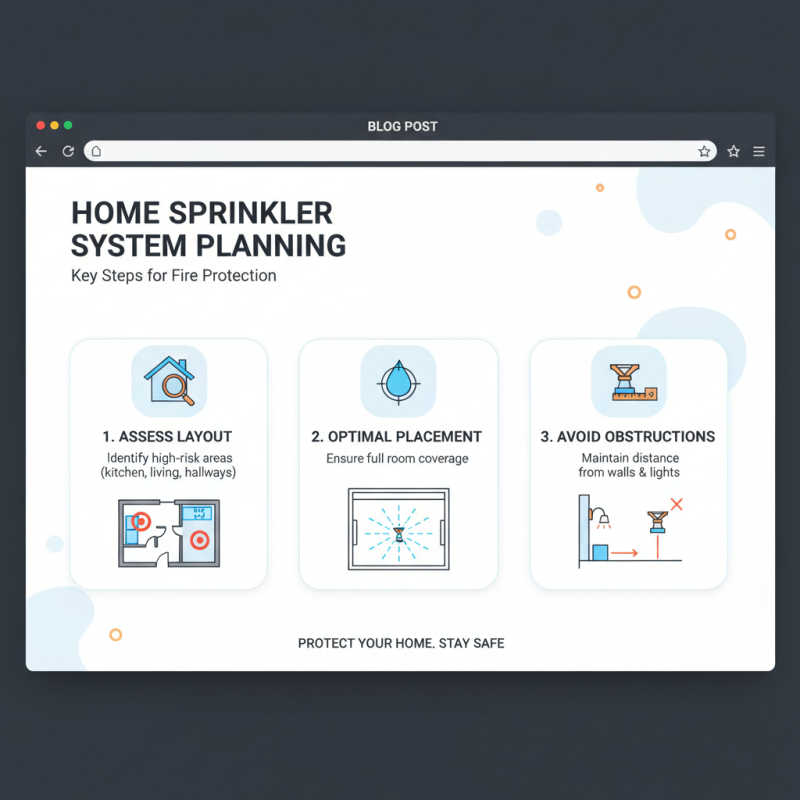
When installing fixed sprinkler heads for effective fire protection, proper planning and execution are crucial. Start by assessing the layout of your home to determine the optimal locations for the sprinkler heads. Ideally, these should be positioned to cover high-risk areas such as kitchens, living rooms, and hallways, ensuring that each room has adequate protection. Remember to maintain a minimum distance from walls and lights to avoid obstructions that might inhibit water distribution during a fire.
**Tips:** Use a laser level when marking the locations for installation to ensure that the sprinkler heads are perfectly aligned. This will not only improve aesthetics but also ensure that the water coverage is maximized during an emergency. Additionally, be mindful of the water pressure and flow rate required for your sprinkler system, as this will influence how effectively the system operates.
Once you've mapped out the locations, it's time to install the heads. Make sure to follow the manufacturer's guidelines for connecting the pipes and securing the sprinkler heads in place. Regularly inspect the system and ensure that the heads are free from debris, which can obstruct the spray pattern.
**Tips:** Schedule routine maintenance checks and test the system periodically to verify that all components are functioning correctly. This proactive approach can make a significant difference in fire safety readiness and enhance overall protection for your home and loved ones.
Maintenance Tips for Ensuring Optimal Performance of Sprinkler Systems
Regular maintenance of your sprinkler system is crucial to ensuring its optimal performance and effectiveness in fire protection. Start by conducting a thorough inspection at least once a year. Check for any visible signs of damage, corrosion, or obstructions around the sprinkler heads. Ensure that the sprinkler heads are positioned correctly and not obstructed by furniture, plants, or any other objects. Cleaning the heads to remove dust, debris, and any other buildup is essential, as this can significantly affect the system's performance during an emergency.
In addition to visual inspections, testing the system's functionality is vital. Consider running a test to ensure the sprinkler heads activate correctly and that water pressure is within the recommended range. Regularly reviewing and updating your maintenance records will help track any repairs made or parts replaced over time. Finally, consider consulting with a professional to conduct a complete inspection and service every few years. This proactive approach will not only maintain the integrity of your sprinkler system but also provide peace of mind knowing that your home is better protected against fire hazards.