Essential Tips for Choosing a Sprinkler Irrigation Controller?
Choosing the right Sprinkler Irrigation Controller can significantly impact your garden’s health and water usage. A well-selected controller helps ensure that your plants receive the right amount of water. Several factors can complicate this decision-making process.
You need to consider the types of plants you have. Some require more water than others. Additionally, the size of your garden plays a crucial role. A small garden may need a simpler controller, while larger areas may benefit from advanced features. It is not uncommon to feel overwhelmed with the options available.
Moreover, think about your local climate. Will it be sunny or rainy? This could affect your watering schedule. Understanding your needs helps in making a better choice. It’s okay to feel confused. Many people struggle with this selection process. Investing time in research is essential. A Sprinkler Irrigation Controller should simplify your life, not complicate it.
Understanding the Basics of Sprinkler Irrigation Controllers
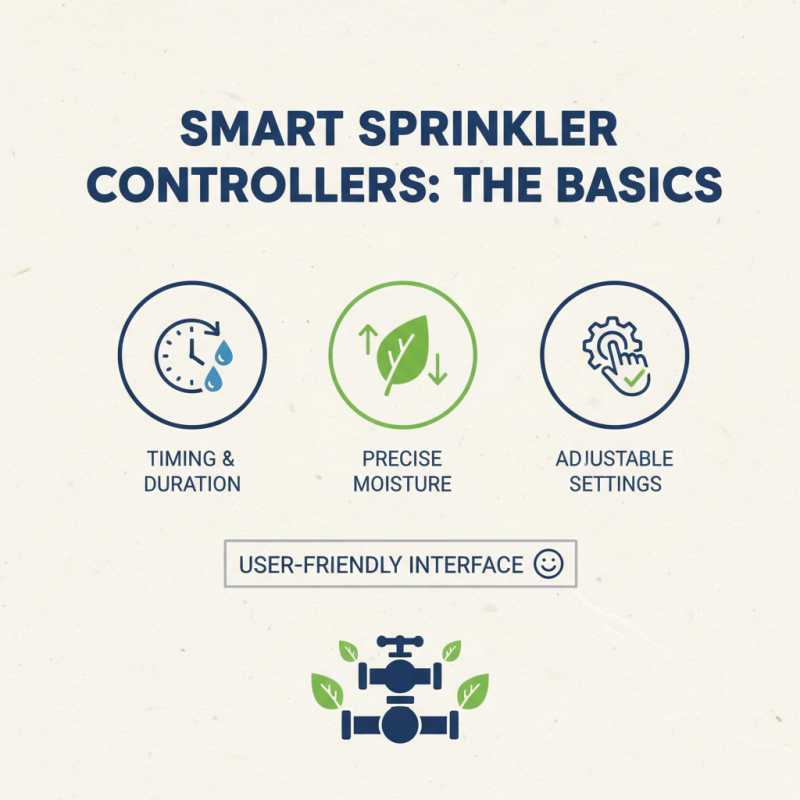
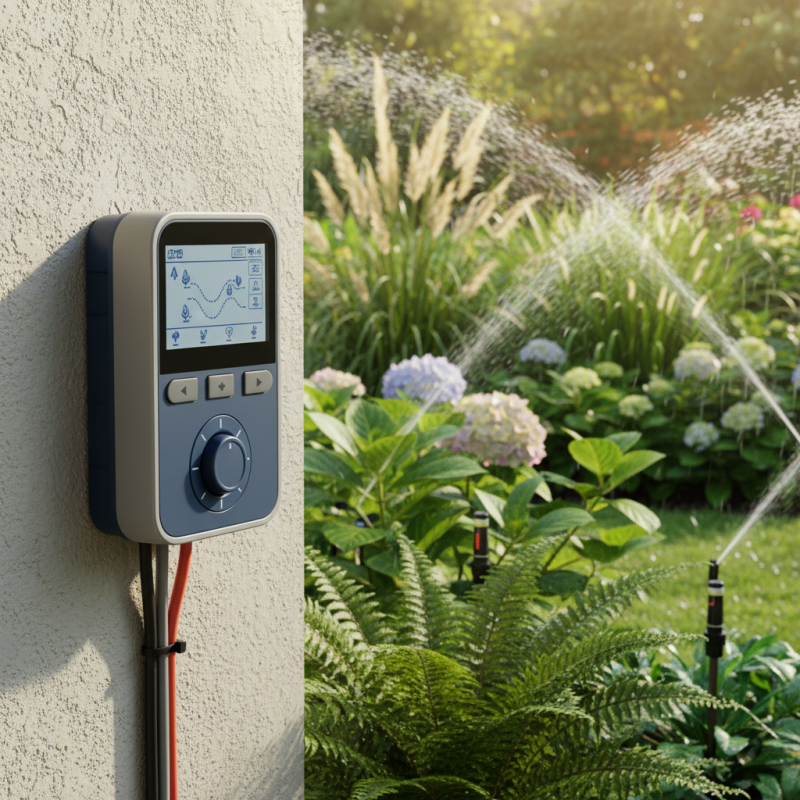
When choosing a sprinkler irrigation controller, it's essential to grasp the basics. A controller manages the timing and duration of watering. It helps prevent overwatering or underwatering, ensuring plants receive the right amount of moisture. Look for a model with a user-friendly interface. This makes programming simple. Consider one with adjustable settings. This feature allows customization based on plant needs.
Understanding different types of controllers is also vital. Some come with sensors that detect soil moisture. Others might offer weather-based adjustments. These options can help save water and reduce costs. However, keep in mind that more features can mean more complexity. It’s easy to become overwhelmed. Choose a model that fits your comfort level and knowledge.
Another aspect to consider involves installation. Some controllers are easy to mount and program, while others require professional help. Reflect on your gardening habits. If you travel often, a more advanced controller may be beneficial. Conversely, for occasional use, a simple timer might suffice. This basic understanding of controllers will guide your choices effectively.
Key Features to Consider in a Sprinkler Controller
When choosing a sprinkler irrigation controller, certain key features can enhance efficiency and usability. Look for controllers with smart technology that adjusts watering schedules based on local weather conditions. Research suggests that using smart controllers can reduce water usage by up to 30%. This feature not only conserves water but also saves on utility bills.
Another important aspect is the controller's programming interface. A user-friendly interface allows for easy adjustments. Many advanced controllers offer mobile app connectivity, enabling remote control of your irrigation system. According to a recent survey, 70% of users prefer controlling their systems via smartphone apps. This reflects a shift towards more integrated technology in irrigation management.
For best results, consider sensors for soil moisture and rainfall. These sensors provide real-time data, preventing overwatering. This integration can lead to healthier plants and optimized water use. Remember, not all systems offer these features, so careful consideration is key. Choose a model that matches your specific gardening needs. What works for one garden may not work for another, so tailor your choice to your unique landscape.
Essential Tips for Choosing a Sprinkler Irrigation Controller
This bar chart illustrates the key features to consider when choosing a sprinkler irrigation controller, highlighting their importance based on a hypothetical survey of gardeners. The most vital aspect is programmable schedules, followed by manual control, water usage tracking, and weather adaptation features.
Types of Sprinkler Controllers and Their Applications
When selecting a sprinkler irrigation controller, understanding the types available is crucial. There are basic timers that are simple and cost-effective. These models allow you to set watering schedules but lack advanced features. They are ideal for small gardens or yards. Using a timer can prevent over-watering if you remember to reset it often.
Next, you'll find smart controllers that adapt to weather conditions. These high-tech devices use data to optimize water usage. They connect to weather stations or use sensors to determine when to water. While they offer efficiency, they may require a learning curve. A setup might feel overwhelming at first.
Lastly, there are centralized controllers for larger properties. These systems manage multiple zones and can be more complex. Adjusting their settings can take time. It's easy to make a mistake, leading to uneven watering. Test their functions regularly. Evaluating your specific needs is essential. Each type has its strengths and weaknesses, and careful consideration can help make the best choice.
Evaluating Compatibility with Existing Irrigation Systems
When selecting a sprinkler irrigation controller, compatibility with existing systems is crucial. Many homeowners fail to ensure that the controller integrates properly with their current setups. According to a report by the Irrigation Association, about 70% of irrigation inefficiencies stem from poor compatibility choices. This can lead to increased water wastage and higher utility bills.
Assessing voltage requirements is a key factor. Most systems operate at 24 volts, but some might need different settings. A mismatch can damage the controller or the irrigation system itself. Furthermore, one must consider whether the existing irrigation system uses wired or wireless technology. Many controllers offer advanced features but may not suit older systems.
Users should also evaluate water source compatibility. Some controllers support drip irrigation, while others focus on spray systems. Industry data indicates that over 50% of new installations prioritize drip systems due to water conservation goals. It’s essential to understand these elements to avoid frustration down the line. Detailed research on existing equipment will save time and money in the long run.
Essential Tips for Choosing a Sprinkler Irrigation Controller
| Criteria |
Description |
Importance Level |
| Compatibility |
Ensure the controller is compatible with your existing irrigation system type and components. |
High |
| User Interface |
Look for an intuitive interface that is easy to navigate for programming schedules. |
Medium |
| Weather Sensors |
Consider controllers that integrate weather sensors for automatic adjustments based on weather conditions. |
High |
| Watering Schedule Flexibility |
Select a model that allows for customizable watering schedules to adapt to various plant needs. |
High |
| Budget |
Determine your budget as irrigation controllers vary widely in price based on features. |
Medium |
| Support and Updates |
Check if the manufacturer provides ongoing support and firmware updates for the controller. |
Low |
Tips for Installation and Maintenance of Sprinkler Controllers
When installing a sprinkler irrigation controller, it's crucial to ensure proper placement. Position the controller in a shaded area to shield it from direct sunlight. This can extend the lifespan of the unit. Many controllers include a protective cover, but that alone may not suffice. According to industry studies, improper exposure can reduce the controller’s efficiency by up to 30%.
Regular maintenance is paramount for optimal performance. Check wiring connections and battery levels frequently. Many users overlook the battery; a depleted battery can incapacitate the system. In fact, nearly 25% of home irrigation failures are attributed to dead batteries. Additionally, inspect the sprinkler heads. Clogs and leaks are common issues that can diminish efficiency. Keeping a maintenance log might help in recognizing patterns over time.
Adjust the watering schedules based on seasonal changes. During the peak of summer, you might need to increase watering frequency. A study indicates that programming adjustments can save homeowners up to 50% on water bills. This not only benefits your wallet but also aids in water conservation. However, staying on top of these adjustments can be challenging. So, consider setting reminders to evaluate settings regularly.