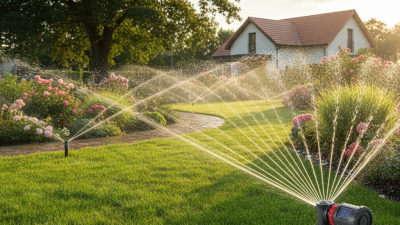
What is a Sprinkler Valve and How Does it Work for Efficient Irrigation
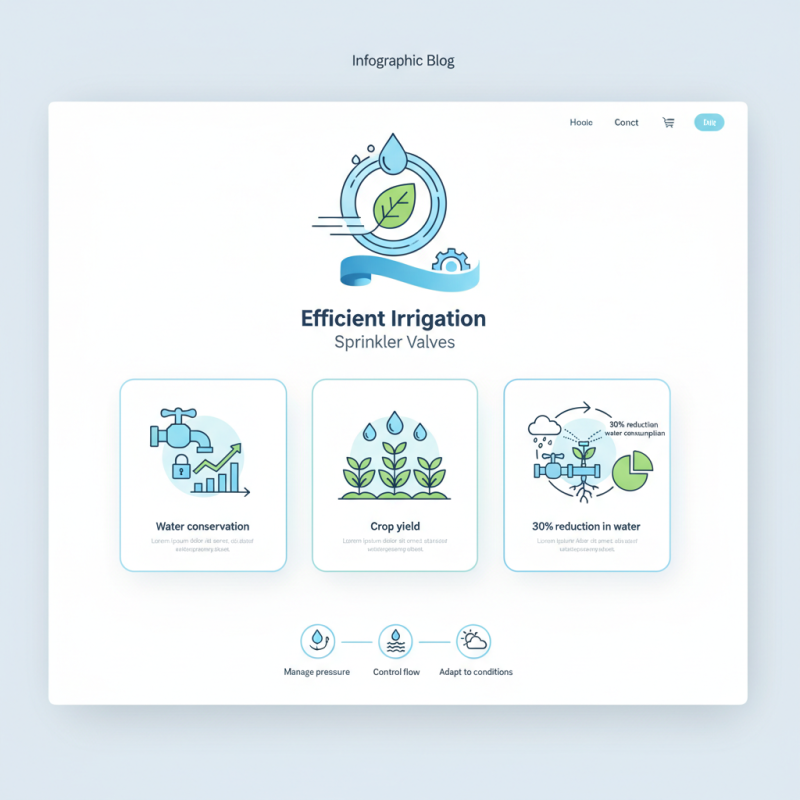
Efficient irrigation is crucial for sustainable agriculture and landscape management, with a significant impact on water conservation and crop yield. Among the essential components of an irrigation system, sprinkler valves play a pivotal role in regulating water flow and ensuring precise delivery. According to the Irrigation Association, efficient irrigation practices can reduce water consumption by up to 30%, highlighting the importance of advanced technologies in optimizing water usage.
Sprinkler valves, as integral parts of these systems, facilitate the control of water distribution by managing pressure and flow rates. This not only enhances the efficiency of water application but also helps in adapting to varying environmental conditions and crop needs. Reports indicate that proper use of sprinkler valves can lead to improved plant health and reduced runoff, ultimately contributing to better resource management and sustainability in agricultural practices.
As global water scarcity becomes increasingly pressing, understanding the functionality and benefits of sprinkler valves is essential for stakeholders in the agriculture and landscape industries. By investing in proper irrigation technologies and strategies, we can move towards a more sustainable future, ensuring that both food production and natural ecosystems are preserved.
What is a Sprinkler Valve?
A sprinkler valve is a crucial component of an irrigation system, acting as a control mechanism to regulate the flow of water to different zones in a landscape or agricultural field. Typically made from durable materials such as brass or high-grade plastic, these valves are designed to withstand varying pressures and environmental conditions. According to the Irrigation Association, a well-functioning valve can enhance water efficiency by up to 30%, significantly reducing waste and promoting sustainable practices in irrigation.
The operation of a sprinkler valve is relatively straightforward. It utilizes a solenoid to open and close the flow of water, allowing for segmented irrigation schedules that correspond to the specific needs of different plant types. This zoning capability not only optimizes water usage but also minimizes the risk of waterlogging and other related issues in landscaping.
Industry studies indicate that automated sprinkler systems, which incorporate valve technology, can lead to a 60% reduction in water consumption compared to traditional irrigation methods, making them a vital investment for both residential and commercial properties focusing on water conservation.
Key Components of a Sprinkler Valve
A sprinkler valve is a crucial component of any efficient irrigation system, as it regulates the flow of water to ensure even distribution across the garden or lawn. Understanding the key components of a sprinkler valve can help homeowners make informed decisions about their irrigation setup.
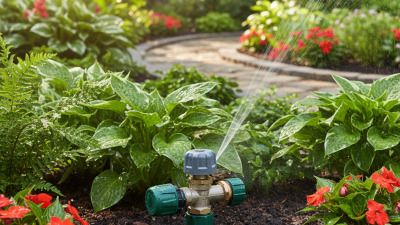
One essential part of a sprinkler valve is the diaphragm, which opens and closes to control the water flow. When the irrigation system is activated, water pressure pushes the diaphragm upward, opening the valve and allowing water to flow to the connected sprinkler heads. Another vital component is the solenoid, an electromagnetic device that operates when electrical current passes through it. This activates the diaphragm and is critical for the automated operation of the irrigation system. Additionally, many sprinkler valves include a manual override option, permitting users to open or close the valve manually without reliance on the system's electrical components.
**Tip:** Regularly check the condition of your sprinkler valves and their components to ensure optimal functionality. Issues like leaks or clogs can significantly affect irrigation efficiency. It’s also beneficial to clean the filter screens often to prevent debris build-up that could impair water flow. Proper maintenance will help sustain the longevity of the system while promoting a lush and healthy landscape.
How Sprinkler Valves Control Water Flow
A sprinkler valve is a crucial component in modern irrigation systems, playing a significant role in regulating the flow of water to optimize efficiency. Sprinkler valves function by opening and closing to control the amount of water that reaches the plants. When the system is activated, the valve opens to allow water flow; when the system is off, the valve closes, preventing water leakage. According to a report by the Irrigation Association, properly functioning valves can improve irrigation efficiency by up to 30%, highlighting their importance in water conservation and crop health.
The control mechanisms of sprinkler valves are often automated, utilizing timers and sensors that respond to environmental conditions. For example, rain sensors can halt irrigation during rain events, while soil moisture sensors can determine when to water. This automatic management ensures that water is applied only when necessary, reducing waste and enhancing plant growth. The USDA has noted that over 60% of irrigation water is wasted through inefficiencies; thus, incorporating advanced valve technology not only conserves resources but also supports sustainable agricultural practices. Through intelligent design and technology, sprinkler valves play a pivotal role in enhancing water management in irrigation systems.
What is a Sprinkler Valve and How Does it Work for Efficient Irrigation - How Sprinkler Valves Control Water Flow
| Feature |
Description |
Functionality |
Benefits |
| Type |
Automatic vs Manual |
Controls water flow based on a timer or manually |
Convenience and ease of use |
| Mechanism |
Electromagnetic or diaphragm-based |
Opens/closes to regulate water flow |
Efficient water usage and savings |
| Pressure Rating |
Varies by model |
Designed to handle specific water pressures |
Prevents leaks and damage |
| Control Method |
Wired vs Wireless |
Manual buttons or smart controller integration |
Flexible management and scheduling |
| Installation |
Above ground or below ground |
Requires plumbing knowledge for setup |
System customization according to landscaping |
The Role of Sprinkler Valves in Efficient Irrigation
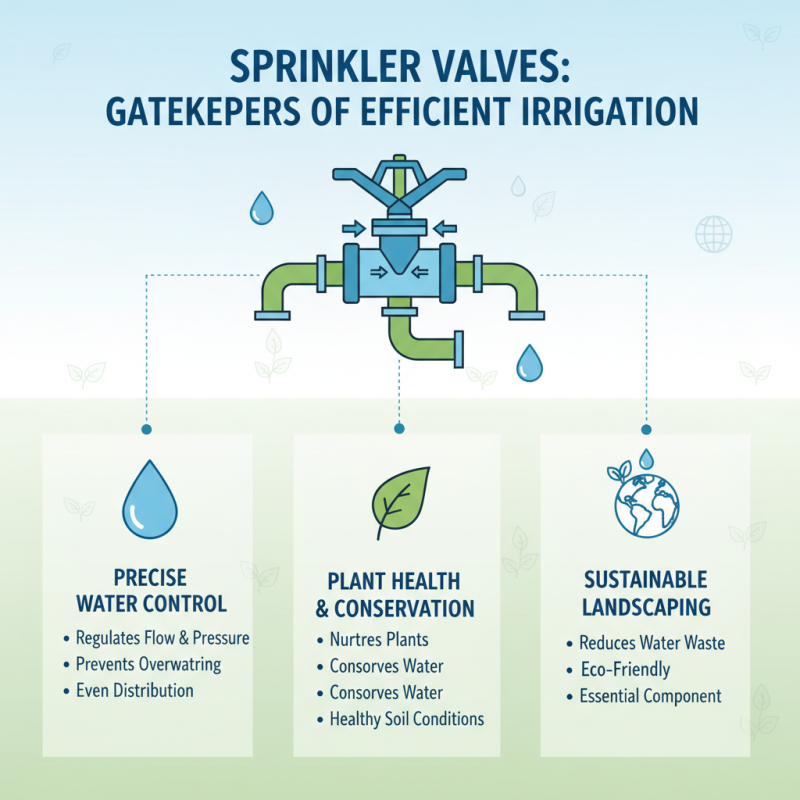
Sprinkler valves play a crucial role in the realm of efficient irrigation systems by controlling the flow of water to various areas of a landscape. These valves serve as the gatekeepers of the irrigation process, ensuring that water is distributed evenly and effectively. By regulating water pressure and flow, sprinkler valves help to prevent overwatering, which can lead to water wastage and promote unhealthy soil conditions. This precise control not only conserves water but also nurtures plant health, making it an essential component in sustainable landscaping practices.
In addition to regulating water flow, sprinkler valves can be automated to respond to environmental factors such as rainfall and soil moisture levels. This automation allows for a more precise irrigation schedule, adjusting water delivery according to the needs of the landscape. Moreover, advanced systems can utilize sensors that trigger the valves to open or close, providing an efficient response to changing weather conditions. As a result, sprinkler valves significantly contribute to optimizing water usage, leading to healthier plants and reduced resource consumption in irrigation practices.
Maintenance Tips for Sprinkler Valves in Irrigation Systems
Proper maintenance of sprinkler valves is crucial for the efficient functioning of irrigation systems. Regular checks and servicing of these components can significantly optimize water usage and reduce costs. According to the Irrigation Association, well-maintained irrigation systems can save up to 50% more water than neglected systems.
Valves should be inspected at least twice a year to ensure they are free from debris and functioning correctly.
Cleaning the filters and ensuring that seals are in good condition can prevent leaks, which are a common issue that can lead to wasted water and higher utility bills.
Additionally, it’s important to monitor for corrosion or wear caused by environmental factors. A study by the American Society of Agronomy suggests that corrosion can decrease system efficiency by as much as 30%. Operators should apply grease to the mechanical components of the valve to maintain smooth operation and prolong their lifespan. Educating users on how to recognize signs of valve dysfunction, such as irregular water flow or pressure, is essential.
Regular maintenance routines not only sustain the effectiveness of the irrigation system but contribute to sustainable water management practices essential in today’s climate-sensitive environment.